What Happens If the Home Inspection Finds Problems?
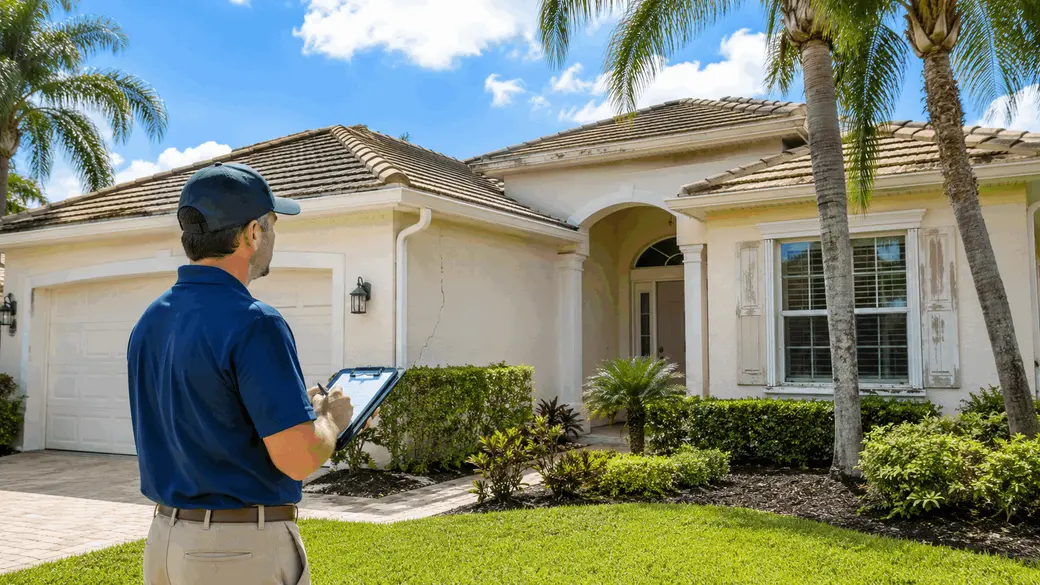
If a home inspection finds problems, the next step depends on what was discovered and, importantly, what the purchase contract allows. A buyer may decide the findings are ordinary maintenance, obtain additional evaluations, ask the seller to address certain issues, propose a credit or price change, accept the property in its current condition, or potentially terminate the contract when a contractual right permits it. Finding problems does not automatically mean the transaction is over. Most homes have some inspection findings, and the real question is whether those findings materially change the buyer's understanding of the property, cost or risk.
In Florida, buyers should pay particular attention to the exact contract and inspection deadline. The commonly used Florida Realtors/Florida Bar AS IS Residential Contract gives buyers significant discretion during its inspection period, while other contracts can use different repair procedures and limits. Inspection findings should therefore be considered together with the signed contract, professional evaluations, insurance and financing requirements.
Quick Answers About What Happens When a Home Inspection Finds Problems
Is it normal for a home inspection to find problems?
Yes. Even well-maintained homes can have maintenance items, aging components or defects identified during an inspection. The important distinction is between minor findings and conditions that could materially affect safety, insurance, financing, repair costs or the buyer's willingness to own the property.
Does the seller have to fix everything the inspector finds?
No. A seller's repair obligations depend on the purchase contract. An as-is contract can operate very differently from a contract containing specified inspection and repair provisions, so neither buyer nor seller should assume that an inspection report automatically creates a repair obligation.
Can a buyer ask the seller to make repairs after an inspection?
A buyer can generally propose repairs or another solution, but whether the seller must agree depends on the contract. Under an as-is structure, for example, the seller may have no contractual obligation to accept a repair request.
Can the buyer ask for a credit instead of repairs?
A buyer and seller may potentially agree to a credit, price adjustment or other modification instead of completing repairs. Financing rules can affect whether and how a credit may be structured, so buyers using a mortgage should confirm proposed concessions with their lender.
Can a buyer cancel after a bad home inspection?
Possibly, but the signed contract controls. Under the current Florida Realtors/Florida Bar AS IS Residential Contract, the buyer has a strong termination right during the inspection period and can determine in the buyer's sole discretion that the property is unacceptable, provided the contractual requirements and deadline are satisfied.
What if the inspector finds something outside the inspector's expertise?
A general inspector may recommend further evaluation by a specialist. Roofers, plumbers, electricians, HVAC contractors, structural engineers, pest-control professionals and other qualified specialists can provide more focused information when a finding requires expertise beyond a general home inspection.
Should every inspection problem become a negotiation item?
Not necessarily. Buyers should distinguish routine maintenance and minor defects from significant conditions that affect cost, safety, insurability, financing or their willingness to proceed. The goal of an inspection is to understand the property, not to require an existing home to become new.
What should a buyer do first after receiving a concerning inspection report?
Review the findings promptly with the appropriate professionals and identify the contractual deadline. If a significant condition requires further evaluation, schedule that specialist as quickly as possible so there is time to obtain useful information before the applicable inspection period expires.
A Home Inspection Is Not a Pass-or-Fail Test
One of the most useful ways to approach an inspection is to stop thinking of it as a test the house either passes or fails. A home inspection is an independent evaluation intended to help the buyer better understand the property's visible condition at the time of inspection.
An inspector may identify minor maintenance, aging equipment, installation concerns, signs of deterioration or conditions that deserve specialized evaluation. A long inspection report is not necessarily evidence that the house is a poor purchase. Photographs, maintenance observations and informational notes can add pages without representing major defects.
The better question is which findings materially change what the buyer believed about the home before the inspection.
What Kinds of Inspection Problems Deserve More Attention?
Every property is different, but buyers usually need to pay closer attention when a finding could involve a major system, significant repair expense, safety concern, insurance issue or specialized construction problem.
Potential areas for further investigation can include:
- Roof deterioration, leakage or limited remaining useful life
- Electrical panel or wiring concerns
- Plumbing leaks, aging materials or drain-line concerns
- HVAC defects or aging equipment
- Moisture intrusion
- Structural movement or deterioration
- Wood-destroying organism activity or damage
- Exterior drainage concerns
- Window, door or storm-protection issues
- Pool or pool-equipment problems
- Septic, well or sewer concerns where applicable
- Seawall, dock or waterfront infrastructure concerns where applicable
Hunt Brothers Realty's guide to Florida home inspection red flags examines several issues Gulf Coast buyers may encounter, including roof age, cast iron drain lines and older electrical panels.
What Happens After the Inspector Identifies a Major Concern?
A general inspection may identify the symptom of a problem without determining its complete cause, scope or repair cost. That is often when a specialist becomes important.
For example, an inspector who sees evidence of roof deterioration may recommend evaluation by a qualified roofing contractor. Suspected structural movement may call for a structural engineer. An electrical concern may require a licensed electrician, while questionable drain lines may justify evaluation by a qualified plumbing professional and potentially a sewer-camera inspection.
This additional evaluation can help the buyer distinguish a manageable maintenance issue from a larger project. Inspection findings should be evaluated with the appropriate licensed inspector, contractor, engineer or other qualified professional before a buyer makes a decision based on the condition.
What Are a Buyer's Options After Inspection Problems Are Found?
Depending on the signed contract and the inspection findings, several outcomes may be possible. A buyer might:
- Accept the property in its current condition
- Obtain additional specialist evaluations
- Request that certain repairs be completed
- Propose a seller credit or other concession
- Propose a price adjustment
- Address the issue through a procedure already established by the contract
- Terminate when a contractual right allows termination
These are not universal rights available in every transaction. The signed contract determines which options exist, the procedures for exercising them and the applicable deadlines. Buyers and sellers should obtain legal guidance from a qualified Florida real estate attorney when they need interpretation of contractual rights or obligations.
Does the Seller Have to Repair Problems Found During the Inspection?
Not automatically. This is one of the most common misconceptions surrounding home inspections.
The seller's obligations depend on the purchase agreement. The Florida Realtors/Florida Bar AS IS Residential Contract is specifically structured so that the seller is generally not agreeing to make repairs simply because defects are discovered. The buyer instead receives the inspection and cancellation rights provided by that contract.
Other Florida contracts can contain different inspection and repair provisions, including specified categories of repair and negotiated repair limits. This is why advice such as "the seller has to fix inspection problems" or "the seller never has to fix anything" is too broad without first identifying the contract.
For more background on the as-is structure, read Hunt Brothers Realty's guide to what it means when a Florida property is sold as-is.
Can You Negotiate After the Inspection?
A buyer may be able to propose changes after receiving an inspection report, but a proposal is different from a contractual entitlement. Depending on the agreement, the buyer might ask the seller to complete a repair, provide a credit, adjust the purchase price or agree to another solution.
The seller may agree, decline or make a different proposal unless the contract already requires a particular response. Any agreement modifying the transaction should be properly documented.
Buyers using financing should also involve their lender before assuming that a particular credit or price adjustment will work. Loan programs and lender requirements can affect allowable concessions and property-condition requirements.
Is It Better to Ask for a Repair or a Credit?
Neither option is universally better. A completed repair may address an issue before closing, while an agreed credit can potentially give the buyer more control over work completed after ownership transfers. The right approach depends on the problem, contract, financing, timing and buyer's priorities.
For significant work, buyers should understand the scope before negotiating. A credit based on an informal guess may prove inadequate if a qualified contractor later identifies a larger problem. Conversely, requiring a seller to complete work quickly before closing may not always give the buyer the level of control desired over contractor selection or materials.
Repair scope and cost should be evaluated by the appropriate qualified contractor or professional. Financing implications of credits or concessions should be confirmed with the buyer's lender.
Can You Walk Away Because of Inspection Problems?
Whether a buyer can terminate because of inspection findings depends on the contract and timing. Under the current Florida Realtors/Florida Bar AS IS Residential Contract, Florida Realtors describes the buyer as having a very strong cancellation right during the inspection period.
The AS IS form provides that, during the agreed inspection period, the buyer may determine in the buyer's sole discretion that the property is unacceptable and terminate by delivering the required notice before the inspection period expires. When properly and timely exercised under the contract, the form provides for return of the buyer's deposit.
That language should not be applied automatically to a different contract. Missing a deadline can also materially affect contractual rights. Buyers with questions about termination, notice requirements or their deposit should have the signed contract reviewed by a qualified Florida real estate attorney rather than relying on general information.
Why the Inspection Deadline Matters So Much
An inspection period is not simply a target date for receiving a general inspection report. It can be the window in which a buyer must investigate the property and exercise important contractual rights.
If the general inspection reveals a condition requiring a roofer, plumber, electrician, engineer or another specialist, the buyer may need time to schedule that professional, obtain findings and decide how to proceed. Waiting until the end of the inspection period to order the first inspection can reduce the time available for those additional steps.
Buyers should know the applicable contractual deadlines from the beginning of the transaction and coordinate inspections promptly. Questions involving extensions, notices or the legal effect of a missed deadline should be addressed through the appropriate real estate and legal professionals.
What If the Inspection Finds an Older Roof?
An older roof does not automatically mean a house should be rejected or that immediate replacement is required. Roofing material, installation quality, storm exposure, repairs, maintenance and current physical condition all matter.
In Florida, however, roof condition can have implications beyond maintenance. Insurers may evaluate roof age, condition and other characteristics when determining eligibility and coverage. A roof that appears functional to a buyer may therefore deserve additional investigation before the insurance process is complete.
If an inspector raises a significant roofing concern, buyers should consider evaluation by a qualified roofing professional and obtain property-specific insurance information. Hunt Brothers Realty's Florida inspection red flags guide provides additional context on why roof age and condition deserve careful review.
What If Cast Iron Drain Pipes Are Found?
Cast iron drain lines are found in many older Florida properties. Their presence alone does not establish that replacement is necessary, but aging cast iron can corrode and develop conditions that are not visible during a general inspection.
A general inspector may observe slow drainage, leakage, staining or other evidence that deserves further investigation. Because much of a drain system may be concealed or underground, a qualified plumbing professional may recommend a sewer-camera inspection or another appropriate evaluation.
Buyers should rely on the condition of the actual system rather than assuming every cast iron system has the same remaining life or repair requirement.
What If the Inspector Flags the Electrical Panel?
Older electrical equipment can receive additional attention during Florida home inspections. An inspector may identify visible defects, improper modifications or equipment that deserves review by a licensed electrician.
Hunt Brothers Realty's inspection guide notes that Federal Pacific Electric, Zinsco and some Challenger panels are among the older panels commonly discussed by inspectors. The presence of a particular panel should lead to qualified evaluation rather than an automatic conclusion about the entire home.
If the inspection raises an electrical concern, a licensed electrician can evaluate the system and advise on appropriate corrective work. Buyers should also verify whether electrical conditions have implications for their property-specific insurance options.
What If the Inspection Finds Moisture or Possible Structural Problems?
Moisture and structural findings deserve careful evaluation because visible symptoms do not always reveal the complete cause. A stain could relate to an old repaired leak or an active source of water intrusion. Cracking or movement can have several possible explanations.
The appropriate specialist depends on the finding. A roofing or plumbing contractor may help identify a water source, while structural questions may require a qualified structural engineer. Suspected mold or other environmental conditions can require professionals who specialize in that field.
Buyers should avoid estimating repair scope from photographs in an inspection report alone when a significant condition has been identified.
What About Problems With a Seawall, Dock or Waterfront Property?
Waterfront homes can add systems and structures that may fall outside the scope of a typical general home inspection. Seawalls, docks, boat lifts and shoreline conditions can require separate evaluation.
Hunt Brothers Realty's guide to buying waterfront property in Florida recommends investigating matters such as seawall construction, visible cracking or movement, soil loss, prior repairs, permits and maintenance responsibility.
Where waterfront infrastructure materially affects a purchase decision, buyers should obtain evaluation from an appropriately qualified marine contractor, engineer or other specialist rather than assuming the general home inspection covers every waterfront component.
Can Inspection Problems Affect Homeowners Insurance?
Yes. Some conditions identified during inspection can also become relevant during insurance underwriting. Roof condition, electrical systems, plumbing, wind-mitigation characteristics and other property features can affect the insurance process.
That makes it important to investigate insurance early rather than treating it as an administrative task immediately before closing. A buyer may be comfortable budgeting for a future repair but discover that an insurance professional needs additional documentation or corrective work before a desired policy can be issued.
Insurance availability, underwriting, coverage, deductibles and premiums vary substantially by property and insurer. Buyers should obtain quotes for the specific property and discuss inspection findings that may affect coverage with a qualified insurance professional before making a purchasing decision.
Can Inspection Problems Affect Financing?
Potentially. A buyer may be willing to accept a condition that creates a separate concern for a lender, appraiser or particular loan program. Property-condition requirements vary by financing type and lender.
This can matter when significant health, safety, structural or habitability issues are identified. It can also affect the practicality of proposed seller credits if the lender requires certain work to be completed before closing.
Buyers should discuss property-condition and concession requirements with their lender or qualified loan professional before assuming that a particular inspection solution will work with their financing.
Should You Walk Away From a Home With Inspection Problems?
Not every problem is a reason to abandon a purchase. Homes require maintenance, systems eventually wear out and many inspection findings can be understood and addressed once the buyer has reliable information about their scope.
The decision becomes more difficult when several significant findings appear together or when the buyer cannot confidently determine the scope, cost or insurance implications before the contractual deadline. A home that was attractive at one expected ownership cost can look very different after discovering multiple near-term capital projects.
Instead of asking whether a particular defect is universally a "deal breaker," determine what it means for this property and this transaction. Obtain specialist evaluations, realistic repair information and property-specific insurance or financing guidance before deciding.
What If You Still Love the House After the Inspection?
An inspection report does not need to change the buyer's decision if the findings are understood and acceptable. A buyer may decide that the location, lot, floor plan and overall property justify taking responsibility for certain repairs after closing.
The important distinction is between knowingly accepting a condition and overlooking it. If a buyer proceeds, the decision should account for expected repair costs, timing, insurance, financing and any specialized work identified by qualified professionals.
This is particularly useful when comparing an established home with newer construction. Hunt Brothers Realty's older Florida home versus new construction guide explains why the effective condition of the roof, plumbing, electrical systems, HVAC and other components can matter more than construction year alone.
What Should Buyers Prioritize When Reviewing an Inspection Report?
Rather than treating every line item equally, organize the findings according to their potential impact. Useful questions include:
- Does the finding require a specialist?
- Could it involve a significant safety or structural concern?
- Could it affect homeowners or flood insurance?
- Could it affect financing?
- Is the condition active or evidence of an older repaired problem?
- What is the likely scope of repair?
- What does an appropriate qualified professional say about the condition?
- How soon would work need to be completed?
- How does the expected cost affect the buyer's total ownership budget?
- What options does the signed purchase contract provide?
- When does the applicable inspection or decision deadline expire?
This approach helps separate routine homeownership items from findings that genuinely change the financial or practical picture of the purchase.
What Should Sellers Expect When an Inspection Finds Problems?
A seller may receive questions, repair requests or proposed changes after an inspection, depending on the contract. Sellers should review the actual inspection concern and their contractual obligations rather than assuming every request must be accepted or rejected.
If a seller agrees to make a significant repair, using appropriately licensed contractors when required and retaining invoices, permits and other documentation can help establish what work was completed. The parties should also document any negotiated contractual changes properly.
Sellers preparing before listing can review Hunt Brothers Realty's guide on whether to renovate before selling a Florida home, which emphasizes addressing basic property-condition concerns before focusing exclusively on cosmetic upgrades.
Additional Questions About Home Inspection Problems
What if the seller refuses every repair request?
The buyer's next options depend on the purchase contract. Under an as-is agreement, refusal may be consistent with the seller's contractual position, while the buyer may have separate inspection-period rights. Other contracts can establish different obligations and procedures.
What if the seller agrees to repair something?
The parties should clearly document what has been agreed upon. Depending on the issue, buyers may also want appropriate invoices, permits or other records and an opportunity permitted by the contract to confirm the agreed work was completed.
Should buyers attend the home inspection?
When permitted by the inspector and transaction circumstances, being present for at least part of the inspection or a final walkthrough with the inspector can help a buyer understand the findings in context. Buyers should follow the inspector's procedures and avoid interfering with the inspection itself.
Does a new-construction home need an inspection?
New construction can still have incomplete work or defects. Buyers should discuss appropriate inspection opportunities with a qualified inspector and review the builder contract, construction process and applicable warranty provisions rather than assuming a new home cannot have inspection findings.
Can an inspection estimate exactly what repairs will cost?
A general inspection report should not automatically be treated as a contractor's final scope and price. When repair cost materially affects the purchasing decision, buyers should seek information from appropriately qualified contractors or specialists familiar with the work required.
The Inspection Found Problems, Now Focus on What They Mean
Finding problems during a home inspection is not unusual and does not automatically mean a buyer should walk away. The inspection has done what it is supposed to do, provide more information about the property before the transaction reaches closing.
The next step is to determine which findings are routine, which require specialist evaluation and which materially change the expected cost or risk of ownership. From there, the buyer can evaluate the options available under the signed purchase contract.
A roof concern, aging plumbing or electrical issue may be manageable once its condition and cost are understood. Another finding may cause the buyer to reconsider the purchase entirely. There is no universal answer because the property, buyer, contract and inspection findings are different in every transaction.
Navigate the Inspection Process With Hunt Brothers Realty
Hunt Brothers Realty helps Florida Gulf Coast buyers navigate the real estate process and understand how property condition fits into the broader purchase. Buyers can explore Hunt Brothers Realty's guide to Florida home inspection red flags, learn what an as-is sale means in Florida, or review the comparison of older Florida homes and new construction. To discuss your Gulf Coast home search, contact Hunt Brothers Realty.
This article provides general real estate information for educational purposes and is not individualized legal, financial, lending, insurance, inspection, engineering or construction advice. Contract rights and deadlines depend on the specific agreement, and inspection findings require property-specific evaluation. Buyers and sellers should review contractual and legal questions with a qualified Florida real estate attorney when appropriate, physical conditions with the applicable licensed inspector, contractor or engineer, financing questions with the lender or loan professional, and insurance implications with a qualified insurance professional before making decisions that depend on individualized guidance.
Sources
- Florida Realtors, Florida Real Estate Contract Laws
- Florida Realtors and The Florida Bar, AS IS Residential Contract for Sale and Purchase
- Florida Realtors and The Florida Bar, Residential Contract for Sale and Purchase
- Hunt Brothers Realty, Florida Home Inspection Red Flags
- Hunt Brothers Realty, What Does It Mean When a Property Is Sold As-Is?
- Hunt Brothers Realty, Older Florida Home vs. New Construction
- Hunt Brothers Realty, Buying Waterfront Property in Florida
Contact Hunt Brothers Realty
46 N. Washington Blvd, Ste 3, Sarasota, FL 34236
Phone: (941) 388-7017
Email: info@huntbrothersrealty.com
Website: HuntBrothersRealty.com
Categories
- All Blogs 2070
- Anna Maria Island 86
- Bird Key 4
- Bradenton 236
- Buying a Home 1131
- Casey Key 2
- Clearwater 11
- Condos & HOA Living 1049
- Ellenton 5
- Englewood 11
- First Time Homebuyers 1240
- Foreclosures 3
- Home Selling 3
- Homeownership 1263
- Lakewood Ranch 25
- Lido Key 28
- Longboat Key 80
- Luxury/Waterfront Properties 1204
- Market Updates & Trends 730
- Mortgages & Financing 42
- Move-Up Buyers 21
- Neighborhood Guides 842
- New Construction 34
- Palmetto 3
- Parrish 6
- Port Charlotte 10
- Punta Gorda 17
- Real Estate Investing 1121
- Relocation to Florida 1163
- Safety Harbor 2
- Sarasota 77
- Sarasota - Downtown 162
- Selling a Home 144
- Siesta Key 91
- St. Petersburg 8
- Tierra Verde 5
- Vacation & Second Homes 1313
- Venice 169
- Wellen Park 16
Recent Posts