Seawalls in Florida: What Homebuyers Should Inspect Before Buying Waterfront Property
A seawall can be one of the most important pieces of infrastructure on a Florida waterfront property, and buyers should evaluate it separately from the house. Before purchasing, investigate the seawall's age, material, visible cracking, leaning or movement, separation, soil loss behind the wall, previous repairs, available permits and who is responsible for future maintenance. A standard home inspection may not provide the specialized evaluation needed for waterfront structures, so significant seawall questions should be reviewed by an appropriately qualified marine contractor, structural engineer or other waterfront specialist before the buyer makes a decision.
Quick Answers About Seawalls in Florida
What should buyers inspect on a Florida seawall?
Look for visible cracking, leaning, movement, separation, deterioration, soil loss or depressions behind the wall, deterioration of the cap and evidence of previous repairs. These observations do not establish structural condition, but they can identify issues that deserve professional evaluation.
Is a regular home inspection enough for a seawall?
Not necessarily. A general home inspector may identify visible concerns, but a seawall can require specialized knowledge of marine construction, shoreline conditions and structural systems. When seawall condition is material to the purchase, buyers should consider an appropriate marine contractor, engineer or other qualified waterfront professional.
How can you tell how old a seawall is?
Ask the seller for available installation records, permits, invoices, engineering documents and repair records. Local permitting records may provide additional information. Do not estimate the age solely from appearance.
How long does a Florida seawall last?
There is no single dependable lifespan that applies to every Florida seawall. Material, design, installation, soil conditions, water exposure, drainage, maintenance, storms and previous repairs can all affect service life. Buyers should obtain a property-specific professional assessment rather than relying on a generic lifespan estimate.
Does cracking mean a seawall has failed?
Not automatically. Cracks vary in location, width, pattern and significance. Some may involve limited deterioration, while others can be associated with movement or structural concerns. A buyer should not diagnose a seawall from the crack alone.
Should buyers check seawall permits?
Yes. Ask for available permits and records covering the original seawall and significant repairs, replacement or reinforcement. Permitting requirements depend on the property, location and work performed, so questions should be verified with the appropriate local and state authorities.
Who maintains the seawall at a waterfront condo?
Do not assume the answer. The seawall may be an association responsibility, common element, limited common element or subject to another ownership arrangement. Buyers should review the condominium declaration, amendments and other current governing documents, with legal questions referred to a qualified Florida real estate attorney.
Why Seawalls Matter When You Buy Florida Waterfront Property
Waterfront buyers naturally focus on the view, pool, dock and boating access. The structure at the edge of the property can receive far less attention during a showing.
That can be a mistake.
A seawall or similar shoreline structure helps protect waterfront land from erosion and water impact. Its condition can affect landscaping, drainage, docks, shoreline stability, future maintenance planning and the total cost of owning the property.
Hunt Brothers Realty's guide to buying waterfront property in Florida recommends evaluating the seawall as a separate part of waterfront due diligence rather than treating it as another exterior feature of the house.
Start by Finding Out What Type of Seawall You Are Buying
Florida waterfront properties can use different shoreline stabilization systems and materials. Depending on the property, buyers may encounter concrete, vinyl, wood, composite materials, sheet piling, rock revetments or combinations of shoreline protection methods.
The material matters because different systems can have different components, deterioration patterns, repair methods and maintenance requirements.
Do not rely solely on what the visible face of the wall appears to be made from. Ask for available plans, permits, invoices and engineering records that may identify the actual construction.
1. Look for Cracks in the Seawall
Visible cracks are one of the first things a buyer may notice, particularly on a concrete seawall or cap.
The existence of a crack does not tell you, by itself, whether the seawall requires a minor repair or has a more significant problem. Location, pattern, width, movement and the condition of surrounding components can all matter.
During your initial walkthrough, note questions such as:
- Are cracks visible in the wall?
- Is the seawall cap cracked?
- Do cracks appear near joints or connections?
- Have cracks previously been patched?
- Does a repaired area appear to have changed again?
Photographs and observations can help identify areas to discuss with the professional evaluating the seawall, but buyers should avoid making their own structural diagnosis.
2. Look for Leaning, Bowing or Movement
A section that appears to lean, bow, shift or move differently from adjacent sections deserves further investigation.
Movement can involve the wall itself, the cap or connections between different sections. Conditions behind the wall can also affect how the shoreline structure performs.
Hunt Brothers Realty's Florida Gulf Coast waterfront buyer guide specifically identifies leaning, separation and movement as seawall conditions buyers should investigate.
3. Check for Soil Loss Behind the Seawall
The ground behind the seawall can provide important clues.
Look for visible conditions such as:
- Depressions in the soil
- Voids or openings near the wall
- Areas where landscaping appears to be sinking
- Erosion or washout
- Changes in grade near the shoreline
- Pavers or hardscape that appear to have settled
Hunt Brothers Realty's Sarasota waterfront home maintenance guide identifies soil loss, depressions and voids behind a seawall as conditions that warrant attention from a qualified professional.
4. Inspect the Seawall Cap
The top portion of a seawall can show deterioration that is easier to observe during a property showing than components below the waterline.
Look for visible:
- Cracking
- Separation
- Deteriorated concrete
- Uneven sections
- Previous patching or repair work
The condition of the cap should be considered together with the rest of the seawall system. A qualified professional can determine whether visible cap deterioration is localized or related to a larger issue.
5. Look Closely at Joints and Connections
A seawall is not always one continuous structure. Individual panels, sections, caps, anchoring components and transitions may work together as a system.
Visible gaps or separation between sections can be a reason to request further evaluation. Also pay attention to transitions where the property's seawall meets an adjacent wall or another type of shoreline treatment.
Again, appearance alone does not establish whether a joint is functioning properly. The goal during the buyer's walkthrough is to identify questions for a qualified specialist.
6. Ask About Tiebacks, Anchoring and Components You Cannot See
One reason a seawall cannot be properly evaluated by simply looking at its exposed face is that important components may not be visible.
Depending on the seawall's design, anchoring or tieback systems may form part of the structure. Their presence, type and condition may require review of plans, prior repair documentation and professional inspection.
Ask whether engineering drawings, installation records or previous repair documents identify the structural system behind the visible wall.
7. Investigate Previous Seawall Repairs
Previous repairs are not automatically negative. A properly designed and completed repair may represent responsible maintenance.
The important issue is understanding what was repaired and why.
Ask for available:
- Contractor invoices
- Engineering reports
- Construction drawings
- Permits
- Inspection records
- Warranties
- Photographs from before and during the repair
Then ask the professional evaluating the seawall whether the repair appears to have addressed the underlying condition and whether additional work should be anticipated.
8. Ask Whether the Seawall Has Storm-Related Repairs
Florida waterfront infrastructure can be exposed to hurricanes, storm surge, waves, high water and other severe weather conditions.
If the property or seawall has undergone storm-related work, ask what was damaged, what was repaired, who performed the work and what permits or engineering documentation are available.
Do not assume a repaired appearance establishes that all storm-related conditions were resolved. Significant waterfront repairs deserve the same documentation review as other structural work.
9. Understand Drainage Behind the Seawall
The seawall should not be evaluated independently from the land behind it. Drainage conditions can affect waterfront property and shoreline infrastructure.
During the broader property inspection, consider questions such as:
- How does the yard drain after heavy rainfall?
- Does water collect near the seawall?
- Are there low spots or settlement?
- Have drainage systems been installed or modified?
- Is there evidence of recurring erosion?
Drainage, soil and structural questions should be evaluated by the appropriate qualified professionals when they could materially affect the purchase.
10. Check the Relationship Between the Seawall and Dock
Waterfront buyers should evaluate the seawall and dock as separate structures while also understanding how the waterfront improvements interact.
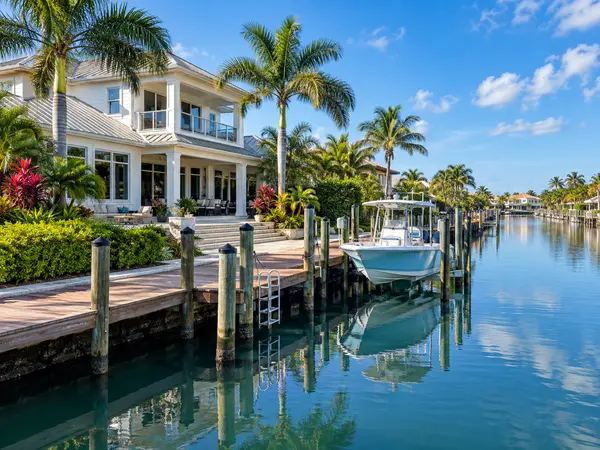
A dock may have pilings, decking, hardware, electrical service, water connections and a boat lift, all of which deserve their own evaluation. Connections or access points around the seawall should also be considered.
Hunt Brothers Realty's questions to ask before buying a home near Florida's coast recommends investigating the seawall, dock, boat lift, water depth, navigation route and permitting as separate parts of waterfront due diligence.
11. Verify Seawall Permits and Available Records
The fact that a seawall exists does not establish the permit history of the structure or later modifications.
Depending on the property's history, buyers may want to investigate records for:
- Original construction
- Replacement
- Major repairs
- Cap replacement
- Anchoring or tieback work
- Rock or other shoreline stabilization
- Associated dock or lift projects
Florida permitting can involve more than one authority. The Florida Department of Environmental Protection Environmental Resource Permitting program regulates many alterations to Florida land and water resources unless an activity qualifies for an applicable exemption or other authorization.
Local requirements can apply as well. For example, Sarasota County's Environmental Protection Division reviews Water and Navigation Control Authority applications involving docks, boat lifts, rock revetments, bulkheads and similar waterfront structures. Sarasota County describes different permit categories for different types of work.
Permit requirements are property-specific and project-specific. Buyers should verify the history of existing work and requirements for anticipated future work with the authorities having jurisdiction rather than assuming that a repair or replacement will be allowed under a particular exemption.
12. Find Out Who Actually Owns and Maintains the Seawall
Water behind a residence does not automatically mean the individual homeowner has sole ownership and maintenance responsibility for every waterfront structure.
Depending on the property, responsibility might involve:
- The individual property owner
- A condominium association
- A homeowners association
- Shared responsibilities
- Another ownership or maintenance arrangement
Review the survey, title information and applicable association documents rather than relying on assumptions based on where the seawall appears to sit. Questions involving ownership, easements, maintenance obligations or legal rights should be reviewed with an appropriate surveyor, title professional and qualified Florida real estate attorney.
13. Do Not Assume You Can Replace the Seawall Exactly Where or How You Want
A buyer may look at an older seawall and think, "I can replace it after closing." The important question is what replacement will actually be permitted.
Florida's shoreline regulatory framework can distinguish among maintenance, restoration, replacement, new construction and other shoreline work. Environmental conditions, wetlands, state-owned submerged lands, local requirements and the location of the proposed structure can affect what approvals are needed.
If your purchasing decision assumes that the seawall can be replaced, raised, moved, extended or substantially altered, have the proposed work reviewed by an appropriate marine contractor or engineer and verify feasibility with the applicable permitting authorities before relying on that plan.
14. Ask a Specialist About Remaining Service Life, But Avoid False Precision
Buyers understandably want a simple answer to the question, "How many years does this seawall have left?"
The answer may not be precise.
A seawall's future performance can depend on material, original design, construction quality, age, anchoring, soil conditions, drainage, water exposure, previous repairs and future storm events.
Instead of relying on a generic lifespan found online, ask the qualified professional evaluating the specific seawall to identify its current condition, observable deficiencies, recommended maintenance, anticipated repairs and whether replacement planning is appropriate.
15. Get Property-Specific Repair or Replacement Information Before Closing
Online estimates for seawall repair or replacement can be misleading because waterfront projects are highly property-specific.
Cost can depend on factors such as:
- Length and height of the seawall
- Existing material and structural system
- Extent of deterioration
- Site access
- Water and soil conditions
- Engineering requirements
- Permitting requirements
- Environmental considerations
- Dock or lift structures near the work
- Construction method and materials
If the inspection identifies meaningful work, obtain property-specific information from appropriately licensed and qualified professionals before deciding how the potential expense affects your purchase.
What Should a Professional Seawall Evaluation Address?
The appropriate scope depends on the seawall and the concerns identified. Buyers should discuss the inspection scope directly with the qualified professional they hire.
Depending on the structure, a professional evaluation may consider matters such as:
- Visible wall condition
- Cracking and deterioration
- Alignment and movement
- Cap condition
- Joints and connections
- Visible evidence of soil loss
- Previous repairs
- Accessible structural components
- Drainage or site conditions relevant to the wall
- Recommended maintenance or repairs
- Whether additional engineering or investigation is warranted
The professional should determine the appropriate inspection methods and limitations for the specific seawall. Buyers should understand what was and was not evaluated before relying on the findings.
Seawall Inspection vs. Home Inspection: Why You May Need Both
A comprehensive waterfront purchase can involve several different areas of expertise.
A home inspector evaluates the residence and its systems within the inspector's scope. A marine contractor or engineer may be better positioned to evaluate specialized waterfront infrastructure. A surveyor can address boundary and survey matters. Permitting authorities can verify current requirements. An insurance professional can address property-specific coverage questions.
Hunt Brothers Realty's Florida home showing guide recommends that waterfront buyers use a showing to identify questions about seawalls, docks and lifts rather than attempting to determine structural condition based solely on appearance.
How Does the Seawall Affect Flood and Storm Due Diligence?
A seawall is only one component of a waterfront property's exposure to water and storms. Buyers should not assume that the presence of a seawall eliminates flood risk or guarantees protection from storm surge.
Waterfront due diligence should also consider:
- Current FEMA flood-zone information
- Property and finished-floor elevation
- Available elevation documentation
- Known previous flooding or water intrusion
- Drainage
- Storm-surge exposure where applicable
- Property-specific flood insurance
- Homeowners insurance and wind considerations
Buyers considering coastal property can review Hunt Brothers Realty's coastal homebuyer due-diligence guide for additional questions involving flood risk, insurance, storm resilience and waterfront infrastructure.
Does Homeowners Insurance Cover a Seawall?
Do not assume that a homeowners, flood or other insurance policy provides the coverage you expect for a seawall or shoreline structure.
Coverage can depend on the policy, cause of loss, exclusions, limits, property configuration and other circumstances. The seller's existing coverage also does not establish what coverage a new buyer will be offered.
Before purchasing, obtain property-specific homeowners and flood insurance information and ask a qualified insurance professional specifically how the proposed policies address seawalls, docks, boat lifts and other waterfront improvements.
What If the Seawall Is Maintained by a Condo or HOA?
Association responsibility changes the due diligence, but it does not make the seawall financially irrelevant to the buyer.
If an association maintains the seawall, determine what the governing documents say and investigate how future work would be funded.
Depending on the property, review:
- Association responsibility for the seawall
- Recent repair history
- Engineering or inspection reports when available
- Current budget
- Relevant reserve information
- Recent meeting minutes
- Approved or proposed projects
- Current or potential special assessments
Florida condo buyers can also review Hunt Brothers Realty's guide to condo documents buyers should review before closing and its guide to buying a condo with a pending special assessment.
Do Not Forget the Neighboring Seawalls
A buyer naturally focuses on the seawall directly behind the home, but waterfront structures do not exist in isolation.
Look at transitions between the subject property's seawall and neighboring shoreline structures. Ask the qualified professional evaluating the property whether conditions at those transitions raise any concerns relevant to the subject property.
Do not make assumptions about a neighboring structure's ownership or condition. The goal is to understand whether adjacent shoreline conditions should be considered in the evaluation of the property you intend to purchase.
Florida Seawall Buyer Checklist
Before purchasing a Florida waterfront home with a seawall, consider verifying:
- Approximate seawall age based on available records
- Construction material and structural system
- Visible cracking
- Leaning, bowing or movement
- Separation between sections
- Condition of the seawall cap
- Soil loss, erosion or depressions behind the wall
- Drainage near the shoreline
- Previous repairs or reinforcement
- Storm-related repairs
- Available engineering documentation
- Available contractor invoices and warranties
- Permit history
- Ownership and maintenance responsibility
- Relationship between the seawall and dock
- Qualified professional's assessment of current condition
- Recommended near-term maintenance or repairs
- Whether major future work should be anticipated
- Property-specific information about potential repair or replacement costs
- Permitting feasibility for anticipated future work
- Insurance treatment of waterfront structures
Questions to Ask the Seller About the Seawall
- When was the seawall installed?
- What material and construction system were used?
- Has the seawall ever been repaired or reinforced?
- Has an engineer or marine contractor evaluated it?
- Are inspection reports available?
- Are original permits or plans available?
- Are permits available for later repairs?
- Are contractor invoices or warranties available?
- Has soil loss or erosion occurred behind the seawall?
- Has the seawall experienced known storm damage?
- Is any repair or replacement currently recommended?
- Who is responsible for maintaining and replacing the seawall?
The Bottom Line: Inspect the Waterfront, Not Just the House
A Florida waterfront home can look exceptional from the pool deck while significant infrastructure sits only a few feet away at the shoreline.
That is why seawall due diligence should begin before closing, not after the buyer becomes responsible for the property.
Investigate the seawall's age, construction, visible condition, soil behind the wall, previous repairs, permits and ownership responsibilities. When the seawall is important to the purchase, have it evaluated by an appropriately qualified professional and investigate likely repair or replacement needs before deciding how the waterfront property's total ownership costs fit your plans.
The seawall should be considered alongside the dock, boat lift, water depth, flood exposure, insurance, drainage and the condition of the residence itself. Together, those factors provide a much clearer picture of what you are actually buying.
Buying Waterfront Property in Florida?
Hunt Brothers Realty helps Florida Gulf Coast buyers look beyond the water view and identify the property-specific questions that can affect waterfront ownership. That includes seawalls, docks, boat lifts, boating access, flood exposure, insurance, permits and long-term maintenance considerations.
Before purchasing, review Hunt Brothers Realty's 10 things to know before buying waterfront property in Florida, Florida Gulf Coast waterfront buyer guide and Florida Gulf Coast community guide.
This article provides general real estate and educational information only and is not individualized engineering, structural, construction, inspection, environmental, permitting, legal, insurance, surveying, financial or other professional advice. Seawall condition, remaining service life, repair requirements and costs are property-specific and should be evaluated by an appropriately qualified marine contractor, structural engineer or other waterfront professional. Permit requirements should be confirmed with the applicable local, state and other regulatory authorities. Ownership, easement, title or contractual questions should be reviewed with an appropriate surveyor, title professional and qualified Florida real estate attorney. Buyers should also obtain property-specific insurance information from a qualified insurance professional before making a purchasing decision.
Sources
- Hunt Brothers Realty, Buying Waterfront Property in Florida: 10 Things to Know Before You Buy
- Hunt Brothers Realty, A Buyer's Guide to Waterfront Homes on Florida's Gulf Coast
- Hunt Brothers Realty, Questions to Ask Before Buying a Home Near the Coast
- Hunt Brothers Realty, Waterfront Home Maintenance in Sarasota: Owner's Guide
- Hunt Brothers Realty, What Should You Look for During a Home Showing in Florida?
- Florida Department of Environmental Protection, Environmental Resource Permitting
- Sarasota County, Environmental Permitting and Projects
- City of Sarasota, Building and Permitting
Contact Hunt Brothers Realty
46 N. Washington Blvd, Ste 3, Sarasota, FL 34236
Phone: (941) 388-7017
Email: info@huntbrothersrealty.com
Website: HuntBrothersRealty.com
Categories
- All Blogs 1506
- Anna Maria Island 68
- Bird Key 3
- Bradenton 92
- Buying a Home 651
- Casey Key 2
- Clearwater 5
- Condos & HOA Living 556
- Ellenton 4
- Englewood 5
- First Time Homebuyers 728
- Foreclosures 3
- Homeownership 709
- Lakewood Ranch 15
- Lido Key 24
- Longboat Key 65
- Luxury/Waterfront Properties 646
- Market Updates & Trends 317
- Mortgages & Financing 32
- Move-Up Buyers 20
- Neighborhood Guides 470
- New Construction 24
- Palmetto 2
- Parrish 4
- Port Charlotte 7
- Punta Gorda 11
- Real Estate Investing 580
- Relocation to Florida 630
- Safety Harbor 2
- Sarasota - Downtown 132
- Selling a Home 136
- Siesta Key 87
- St. Petersburg 3
- Tierra Verde 4
- Vacation & Second Homes 763
- Venice 21
- Wellen Park 7
Recent Posts