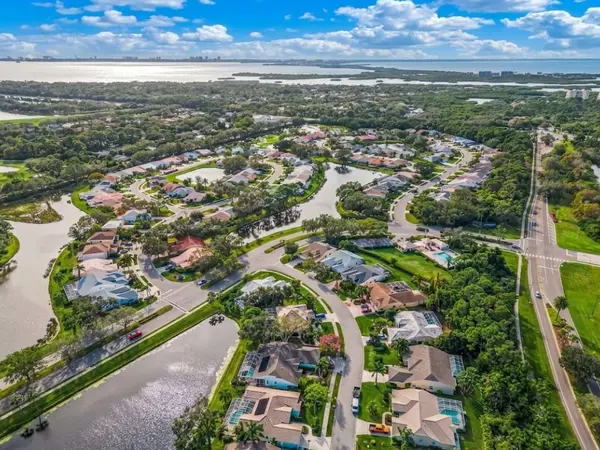
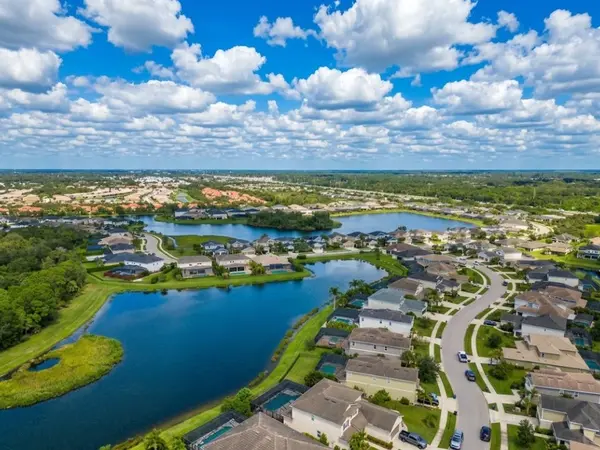
What Makes a Neighborhood Feel Like Home?
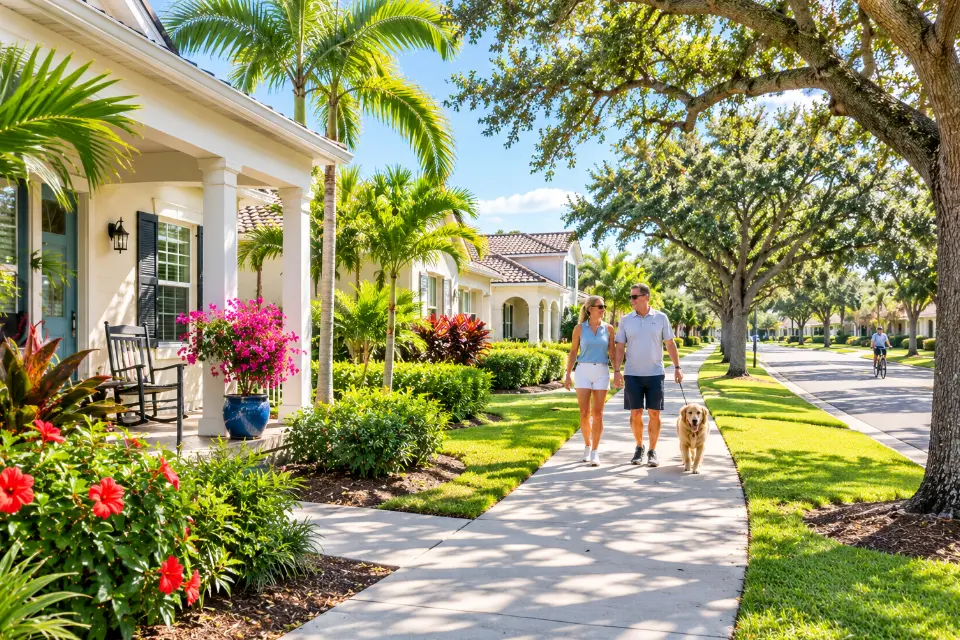
A neighborhood usually feels like home when the location, housing, surroundings and everyday routine fit the way you actually want to live. For one buyer, that may mean walking to restaurants and parks. For another, it may mean a larger yard, a gated community, golf, boating access, nearby trails or less exterior maintenance. The most useful way to choose a neighborhood is not to search for a universally “best” area. It is to identify the routines and ownership responsibilities that matter to you, then test whether a specific home and location support them in everyday life.
Quick Answers About What Makes a Neighborhood Feel Like Home
What matters most when choosing a neighborhood?
The most important factor is whether the neighborhood supports your normal routine. Housing, commute patterns, recreation, shopping, maintenance, association rules and the places you expect to visit regularly can matter more than a neighborhood's reputation or marketing description.
How do you know if a neighborhood is right for you?
Spend time there as though you already live there. Test your likely drives, visit the places you would use, walk the streets where appropriate and consider whether the home, surroundings and ownership structure still make sense after the initial excitement of a showing.
Does a neighborhood need lots of amenities to feel like home?
No. Some buyers value a clubhouse, pool, golf, pickleball or organized recreation, while others would rather have fewer shared amenities and lower community obligations. Amenities are valuable when they support activities you actually expect to use.
How important is walkability when choosing a neighborhood?
Walkability can be important if you want restaurants, parks, shops or other destinations to become part of your routine, but it is not a priority for every buyer. Evaluate the actual route from the property rather than assuming an entire neighborhood is equally walkable.
Should you choose the house or the neighborhood first?
They should be evaluated together. A beautiful house may create the wrong daily routine in the wrong location, while a neighborhood you love cannot compensate for a property whose condition, size, costs or ownership responsibilities do not work for you.
Can an HOA make a neighborhood a better fit?
It can for buyers who value shared amenities, community standards or association-managed services. Other buyers may prefer fewer restrictions. The important question is whether the current rules, fees and responsibilities match your priorities.
Can you tell whether a neighborhood fits from one showing?
Usually not. A showing tells you a great deal about a property, but neighborhood fit is easier to evaluate by returning at different times, testing normal routes and considering how the location would function on an ordinary weekday rather than only during a home tour.
Why Does Daily Routine Matter More Than a Neighborhood Label?
Daily routine matters because neighborhood names do not tell you how your life will actually work there. Two homes in the same general area can create very different experiences based on their exact location, street, access points, property type and distance from the destinations you use.
A buyer relocating to Sarasota might initially focus on beaches, for example, but full-time life can also involve grocery shopping, healthcare, commuting, restaurants, recreation, storage, maintenance and regular trips across town. Hunt Brothers Realty's guide to living in Sarasota year-round explains why everyday priorities can differ from vacation priorities.
Before deciding where to live, write down the places and activities that would make up a normal week. That list can be more useful than starting with a list of supposedly “best” neighborhoods.
How Does the Right Housing Type Change How a Neighborhood Feels?
Housing type affects privacy, maintenance, storage, outdoor space and how you interact with the surrounding community. A downtown condominium, detached suburban home, villa, waterfront property and golf-community residence can create very different routines even when they are relatively close geographically.
Someone who wants a private pool, substantial garage space and a yard may feel constrained in a condominium. A buyer who wants to lock the door and travel frequently may find the same condominium structure appealing because some exterior responsibilities are handled collectively, depending on the association.
Start with how you want the home to function. Then look for neighborhoods where that property type is naturally available instead of forcing a particular house into a location chosen for unrelated reasons.
How Important Is Location to Feeling at Home?
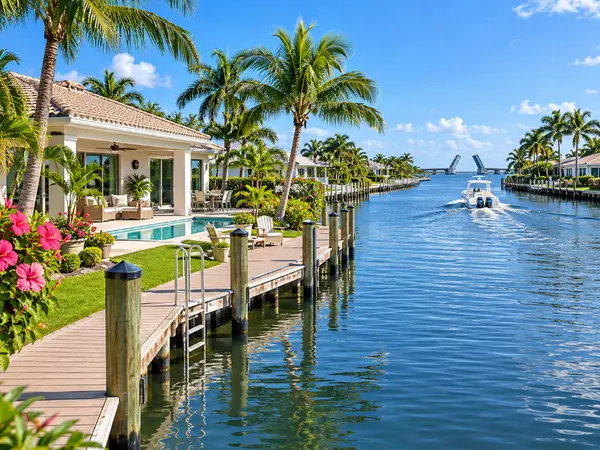
Location becomes meaningful when it makes the activities you value easier to incorporate into ordinary life. Being near downtown matters most if you regularly use downtown restaurants, cultural destinations, parks or waterfront spaces. Being near a beach matters more if you expect to visit it frequently rather than occasionally.
The same principle applies to golf, boating, the Legacy Trail, healthcare, work and shopping. A feature that sounds attractive on a real estate brochure has limited practical value if it rarely becomes part of your routine.
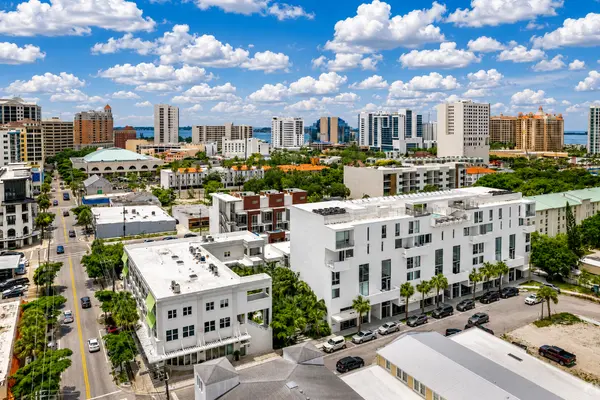
For buyers considering central Sarasota, HBR's guide to communities near Downtown Sarasota demonstrates how different locations can satisfy different versions of “near downtown,” from true pedestrian-oriented access to convenient driving proximity.
Does Walkability Make a Neighborhood Feel More Connected?
Walkability can make everyday destinations easier to incorporate into a routine, but its importance is personal and highly address-specific. A buyer who wants to walk to coffee, dinner or a park will evaluate a location differently from someone who prefers a larger property and expects to drive.
In Sarasota, Laurel Park illustrates a traditional residential neighborhood immediately beside downtown, with a mixture of historic cottages, renovated bungalows, townhomes and newer infill residences. That creates a different daily environment from a newer master-planned community farther from the urban core.
If walkability matters, test it personally. Consider sidewalks, crossings, traffic, weather exposure, distance and the actual destinations you intend to reach rather than relying on a broad description of a neighborhood as “walkable.”
Can Parks, Trails and Outdoor Space Shape Neighborhood Fit?
Yes, when outdoor recreation is genuinely part of the buyer's routine. Convenient access to parks, trails, waterfront paths or community recreation can change how often those features are actually used.
The important distinction is between having a feature nearby and having practical access to it. A trail visible on a map may still require crossing a major road, while a neighborhood park a little farther away may be easier to reach.
Buyers who prioritize walking and cycling can compare HBR's Sarasota-area neighborhoods for walking and biking, then test the exact route from any property under consideration.
Do Community Amenities Really Matter?
Community amenities matter when they support activities you expect to use frequently enough to justify their cost and the associated community structure. A clubhouse, fitness center, pool, golf course, tennis courts or pickleball courts can be a meaningful part of everyday life for one homeowner and largely unused by another.
This is why buyers should compare more than amenity lists. Ask what is included in association assessments, whether memberships are optional or mandatory, how the facilities fit your routine and what maintenance or capital expenses the association must support.
A smaller neighborhood with few shared facilities may feel more appropriate if you prefer to spend recreational time elsewhere. More amenities do not automatically mean a better fit.
How Do Established Neighborhoods Feel Different From Newer Communities?
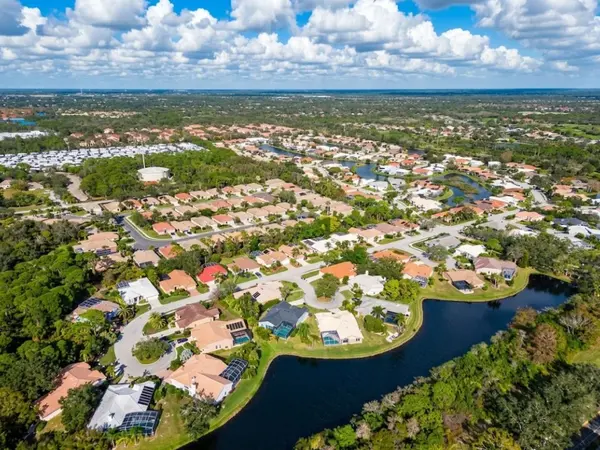
Established neighborhoods can offer mature landscaping, varied architecture and streets that have evolved over decades, while newer communities may offer contemporary floor plans, newer infrastructure and planned amenity packages. Neither model is inherently better.
Sarasota's West of the Trail area illustrates the established model. HBR's West of the Trail buyer guide describes a collection of neighborhoods where older Florida homes, historic residences, mid-century properties, renovations and newer custom construction can exist relatively close together.
A newer master-planned area can create a different experience, with more consistent development patterns and shared amenities. Buyers should decide whether architectural variety and an established setting or newer construction and planned facilities better match their preferences.
Can a Master-Planned Community Feel Completely Different From the Neighborhood Next Door?
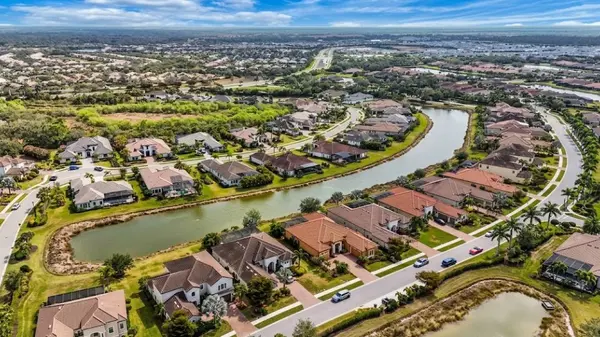
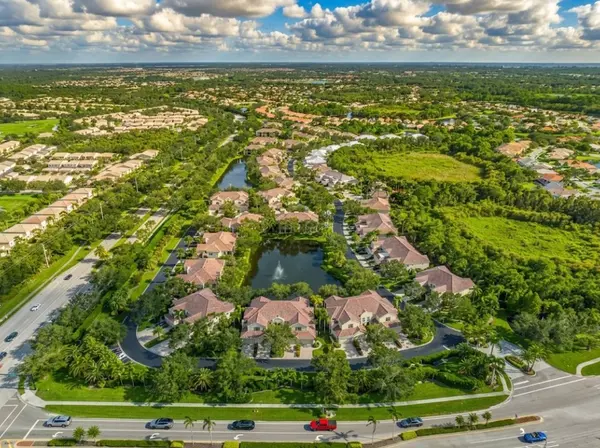
Yes. Even communities within the same master-planned area can differ substantially in housing, age, amenities, association structure and maintenance responsibilities. A broad geographic name does not necessarily describe one uniform residential experience.
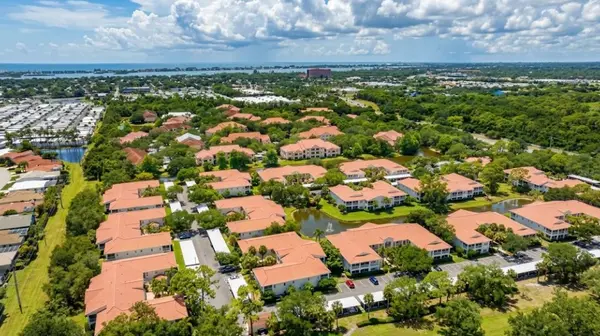
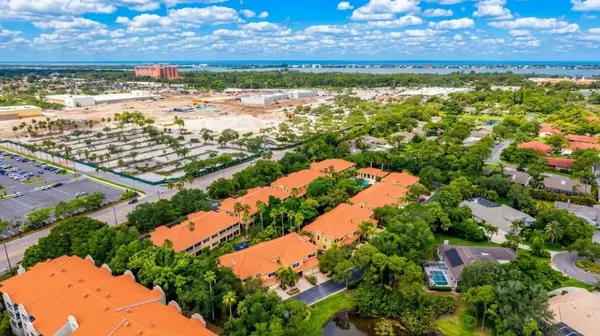
For example, Palmer Ranch communities include established single-family neighborhoods, villas, condominiums, golf-oriented communities and newer developments. Two Palmer Ranch addresses can therefore produce very different ownership and recreational experiences.
Compare the individual community rather than assuming the master-planned name tells you everything you need to know.
How Much Should HOA Rules Influence Your Decision?
HOA rules should matter whenever they affect something important to the way you intend to use the property. Restrictions involving pets, leasing, parking, recreational vehicles, exterior changes, fences, landscaping or other uses can make an otherwise appealing home a poor fit.
For some buyers, association standards and shared maintenance are advantages. Others may prefer greater control over their property. Neither preference is universally correct, but the current governing documents should be reviewed before making a purchasing decision that depends on a particular use.
Questions involving legal rights, restrictions, ownership obligations or interpretation of association documents should be reviewed with the association and an appropriate qualified Florida real estate attorney when individualized legal guidance is needed.
Why Do Maintenance Responsibilities Affect Whether a Place Feels Right?
Maintenance responsibilities affect both time and money. A large yard, private pool and extensive landscaping may be exactly what one homeowner wants, while another buyer may prefer a condominium or villa where selected exterior responsibilities are handled through an association.
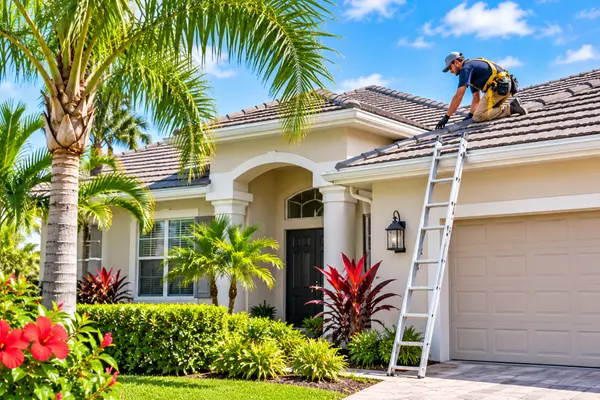
Descriptions such as “maintenance-free” or “low-maintenance” should not replace a review of actual responsibilities. Roofs, windows, exterior surfaces, landscaping, irrigation, structural components and insurance can be allocated differently depending on the property and association.
Ask what you will personally maintain, what the association maintains and how those obligations are funded. The answer can have a major effect on whether the property still fits several years after the purchase.
Should You Think About Your Future Routine Too?
Yes. A neighborhood should work for the life you expect to lead, not only the circumstances surrounding the purchase. Consider how work, travel, hobbies, household needs and maintenance preferences may evolve.
A buyer planning to work remotely may care about home-office space more than commute time. Someone expecting to travel frequently may prioritize simpler maintenance. A boating buyer may need property-specific dock and water access, while a golfer may care more about the structure and availability of club membership.
Future needs are personal, so they should be used to create your own criteria rather than assumptions about which neighborhood type is appropriate for a particular age, household or stage of life.
How Can Relocating Buyers Test a Neighborhood Before Moving?
Relocating buyers can learn more by testing a location as residents rather than experiencing it only as visitors. Spend time doing ordinary things in the areas you are considering and see how easily the routine comes together.
- Drive your likely commute or regular routes at realistic times.
- Visit the grocery stores, restaurants and services you would actually use.
- Test walking or biking routes if those activities are priorities.
- Visit parks, beaches, golf facilities, marinas or cultural destinations that matter to you.
- Tour community amenities instead of relying only on photographs.
- Return to the neighborhood at different times rather than judging it from one showing.
- Compare the time and cost of maintaining different property types.
Hunt Brothers Realty's Sarasota lifestyle test for relocating buyers uses this same principle: evaluate what ordinary life would look like, not only what makes the area enjoyable during a short visit.
What Should You Notice During a Neighborhood Visit?
Focus on observable characteristics that affect your routine and property use. The goal is not to make assumptions about the people who live there, but to understand the physical setting and how it works for you.
- Street layout and access to major roads
- Sidewalks and practical walking routes
- Traffic patterns relevant to your routine
- Lot sizes and spacing between homes
- Housing styles and property conditions
- Access to parks, trails and recreation
- Community entrances and gates where applicable
- Parking and garage arrangements
- Distance to the destinations you expect to use regularly
- Visible maintenance responsibilities associated with the type of property
For questions involving crime data, public services, zoning, future development, traffic projects or other governmental information, use current official sources rather than relying on subjective descriptions or impressions.
Should You Choose a Neighborhood Based on Schools?
Buyers who consider school assignment important should verify current attendance boundaries and programs directly with the appropriate school district. Assignments, boundaries and programs can change, and a property listing should not be treated as the final authority.
Rather than characterizing a neighborhood by subjective claims about schools or the people who live there, buyers can research the specific educational information relevant to their own needs through official and other appropriate sources.
Does Gated Automatically Mean a Neighborhood Will Feel Better?
No. Gated access is a physical and community-management characteristic, not a guarantee that a neighborhood will be the right fit for a particular buyer. Some buyers prefer controlled community access, while others prefer open street networks and fewer layers of association governance.
A gated community can also involve guest procedures, association rules and recurring costs that should be considered alongside its amenities and housing. HBR's guide to buying in a gated Sarasota community explains why the gate itself should be only one part of the purchasing decision.
What Property-Specific Issues Can Override a Great Neighborhood Fit?
A neighborhood that feels right does not make every property within it a good purchase. Condition, insurance, flood information, association finances, ownership costs and other property-specific issues still require independent evaluation.
This is particularly important in Florida, where two nearby properties can have different construction histories, roofs, windows, elevation characteristics, insurance options, association obligations and maintenance needs. Buyers should evaluate the home and neighborhood as two related but separate decisions.
Inspection findings should be evaluated with appropriate licensed inspectors, contractors, engineers or other qualified professionals. Insurance availability and premiums should be confirmed with a qualified insurance professional, and legal, title, association, survey or tax questions should be directed to the appropriate qualified professional when individualized guidance is needed.
What Questions Should You Ask Yourself Before Choosing a Neighborhood?
The most useful questions are about how you intend to live rather than how a neighborhood is perceived by other people. A short personal checklist can make home tours much more focused.
- What do I want to be able to do without a long drive?
- How much private outdoor space do I actually want to maintain?
- Would I use a clubhouse, pool, golf course, fitness center or sports courts?
- How important are walking and biking to my normal routine?
- Do I want condominium, villa or detached-home ownership?
- How much association governance am I comfortable with?
- What parking, garage and storage space do I need?
- Which destinations will I visit every week?
- What ownership and maintenance costs fit my budget?
- Could my housing or location needs change during the time I expect to own the property?
How Do You Compare Two Neighborhoods You Both Like?
Compare them using the same criteria rather than relying on whichever one made the strongest first impression. Housing, location, ownership costs, maintenance, amenities and daily convenience can be evaluated side by side.
This is particularly useful in Sarasota, where very different residential environments can exist within the same broader market. A downtown condominium may maximize access to restaurants and cultural destinations, while a Palmer Ranch home may offer a planned residential setting and different recreational amenities. A West of the Trail property can provide another combination of central location, detached housing and established surroundings.
Hunt Brothers Realty's Florida Gulf Coast community guides can help buyers compare these different residential environments before narrowing the search to individual homes.
What Is the Bottom Line on Finding a Neighborhood That Feels Like Home?
A neighborhood feels like home when the property and location make your preferred daily life easier to live. That fit can come from walkability, outdoor space, convenient recreation, a particular housing type, simpler maintenance, access to the water, community amenities or proximity to the destinations that matter to you.
There is no formula that makes one neighborhood right for everyone. The goal is to identify your priorities, experience prospective locations in realistic ways and investigate the individual home carefully before making a decision.
When the home, location, routine and responsibilities work together, the decision becomes less about choosing a neighborhood name and more about finding a place that fits how you want to live.
Find the Right Sarasota-Area Community With Hunt Brothers Realty
Hunt Brothers Realty helps buyers compare Sarasota and Florida Gulf Coast communities based on the way they actually want to live. Explore HBR's community guides, learn more about Sarasota real estate and living, use the Sarasota lifestyle test before relocating, or contact Hunt Brothers Realty to discuss the communities and homes that fit your priorities.
Informational notice: This article provides general real estate and educational information and is not individualized legal, financial, tax, insurance, lending, inspection, engineering, construction, title, association, survey or other professional advice. Property condition, insurance, flood information, association obligations, maintenance responsibilities, taxes and ownership costs vary by property. Buyers should verify material information for the specific home and community and consult the appropriate qualified real estate, legal, insurance, lending, inspection, engineering, tax, title, surveying, association or government professionals when a purchasing decision requires individualized guidance.
Sources
- Hunt Brothers Realty, Living in Sarasota Year-Round
- Hunt Brothers Realty, Best Communities Near Downtown Sarasota
- Hunt Brothers Realty, Living West of the Trail in Sarasota
- Hunt Brothers Realty, Palmer Ranch Communities Explained
- Hunt Brothers Realty, Moving to Sarasota? Try These Things Before You Decide
Hunt Brothers Realty
46 N. Washington Blvd, Ste 3, Sarasota, FL 34236
Phone: (941) 388-7017
Email: info@huntbrothersrealty.com
Website: HuntBrothersRealty.com
Categories
- All Blogs 2674
- Anna Maria Island 92
- Bird Key 6
- Bradenton 242
- Buying a Home 1692
- Casey Key 3
- Clearwater 16
- Condos & HOA Living 1623
- Ellenton 9
- Englewood 15
- First Time Homebuyers 1813
- Foreclosures 4
- Home Selling 10
- Homeownership 1860
- Lakewood Ranch 36
- Lido Key 29
- Longboat Key 81
- Luxury/Waterfront Properties 1801
- Market Updates & Trends 1302
- Mortgages & Financing 85
- Move-Up Buyers 24
- Neighborhood Guides 1429
- New Construction 47
- Palmetto 4
- Parrish 38
- Port Charlotte 36
- Punta Gorda 165
- Real Estate Investing 1714
- Relocation to Florida 1742
- Safety Harbor 4
- Sarasota 160
- Sarasota - Downtown 175
- Selling a Home 149
- Siesta Key 94
- St. Petersburg 11
- Taxes and Homestead 3
- Tierra Verde 7
- Vacation & Second Homes 1908
- Venice 225
- Wellen Park 24
Recent Posts