What Should Out-of-State Buyers Know Before Moving to Florida?
Out-of-state buyers moving to Florida should evaluate much more than home prices and proximity to the beach. Property taxes can change after a sale, homeowners insurance should be investigated early, flood insurance is separate from standard homeowners coverage, and many communities have HOA, condominium or CDD expenses. Florida's climate also makes roof condition, wind mitigation, drainage, flood exposure, pools and exterior maintenance especially important. Condo buyers have additional association and building-level due diligence. The best approach is to compare the complete cost and responsibilities of owning each specific Florida property before making a decision.
Quick Answers About Moving to Florida From Out of State
Can I buy a Florida home before I move to the state?
Yes. Out-of-state buyers can research properties, use virtual showings, arrange inspections, sign many documents electronically and potentially complete a closing remotely. Hunt Brothers Realty's guide to buying a Florida house from out of state explains the process in more detail.
What surprises out-of-state Florida buyers most?
Insurance, flood considerations, post-purchase property taxes, association costs and Florida-specific maintenance can materially change the ownership budget. Two similarly priced Florida homes can have very different recurring costs.
Does Florida homeowners insurance cover flooding?
Generally, no. The Florida Department of Financial Services states that flood insurance is separate from homeowners insurance and that homeowners policies typically do not cover damage caused by flooding. Buyers should obtain property-specific homeowners and flood insurance information before making a purchasing decision.
Will I pay the same property taxes as the seller?
Do not assume so. A sale can affect assessed value, and exemptions or assessment limitations benefiting the seller may not apply to the buyer in the same way. Obtain a future-tax estimate based on your expected ownership circumstances.
What is a CDD in Florida?
A Community Development District, or CDD, is a special-purpose local government that can finance, construct, operate or maintain qualifying community infrastructure and facilities. A property can have both HOA assessments and CDD assessments, so buyers should investigate both separately.
Should I get a home inspection on a newer Florida house?
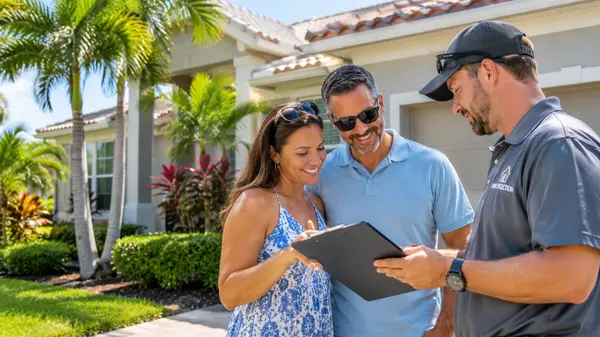
Newer construction does not eliminate the value of independent due diligence. Buyers should discuss appropriate inspections with a qualified Florida home inspector and use specialized contractors, engineers or other professionals when findings require additional evaluation.
Should I visit Florida before buying?
An in-person visit is not always required, but it can be extremely useful. A relocation visit should include ordinary activities such as driving likely commute routes, grocery shopping and visiting neighborhoods at different times rather than evaluating Florida only as a vacation destination.
What should I do first if I am planning a Florida move?
Define how you expect to live, establish a complete ownership budget, arrange financing or proof of funds as applicable, and compare communities before becoming attached to individual listings. The Hunt Brothers Realty Florida Buyer Resource Center provides a useful starting point.
1. Choose the Florida Lifestyle Before Choosing the House
One of the easiest mistakes for an out-of-state buyer is starting with listings instead of location and lifestyle.
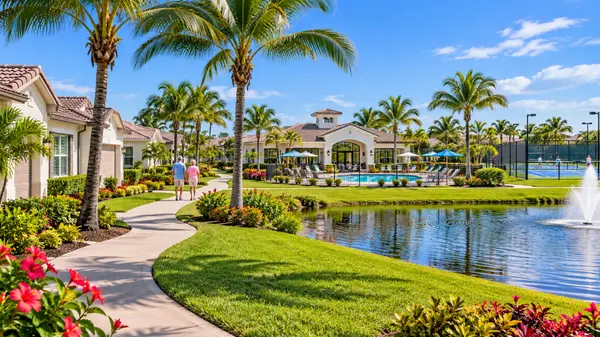
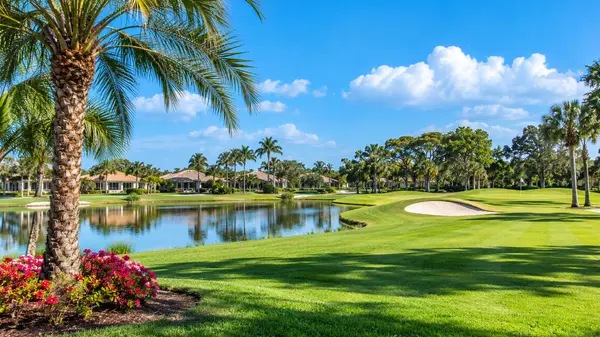
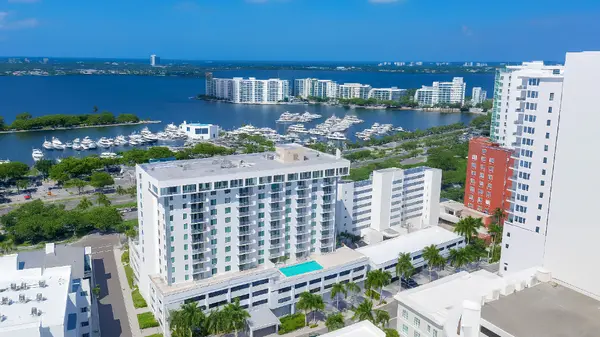
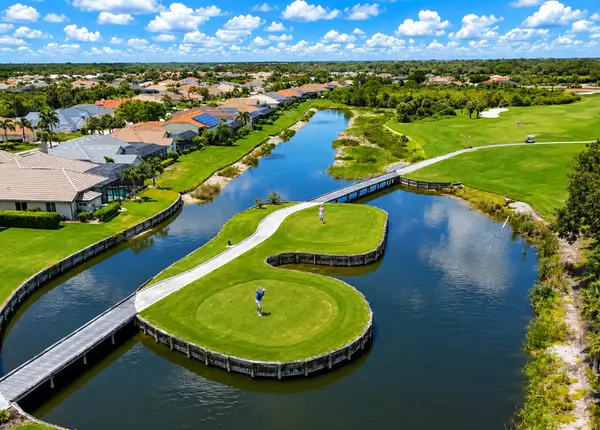
Florida communities can look geographically close on a map while providing very different everyday experiences. A downtown condominium, Gulf barrier-island home, golf community, newer master-planned neighborhood and established mainland subdivision solve different problems.
Before touring homes, decide which questions matter most:
- Will this be a primary residence, second home or another permitted use?
- Do you want a detached house, condominium, villa or townhouse?
- How important is beach proximity?
- Do you want boating or waterfront access?
- Do you prefer new construction or an established neighborhood?
- Do you want a gated or amenity-rich community?
- How much property maintenance do you want?
- Do you want golf, pickleball, a clubhouse or other community amenities?
- How important are restaurants, shopping and walkability?
- How far are you comfortable driving for medical care and everyday services?
You can begin comparing Sarasota, Siesta Key, Longboat Key, Lakewood Ranch, Venice, Wellen Park, Parrish, Bradenton, Punta Gorda and other Gulf Coast locations through Hunt Brothers Realty's Florida community guide.
2. Budget for the Florida Home, Not Just the Purchase Price
A Florida home's listing price is only one part of its cost. Out-of-state buyers should build a property-specific ownership budget before deciding what purchase price is comfortable.
Depending on the property, recurring or future expenses can include:
- Mortgage principal and interest
- Property taxes
- Homeowners insurance
- Flood insurance when appropriate or required
- HOA or condominium assessments
- CDD assessments when applicable
- Special assessments
- Utilities
- Pool and landscaping expenses
- Pest control
- Routine maintenance
- Future roof, HVAC, plumbing and other major repairs
Two $600,000 Florida homes can therefore have substantially different monthly and annual ownership costs. Hunt Brothers Realty's guide to the true cost of owning a Florida home explains why comparing the entire financial picture matters.
3. Investigate Homeowners Insurance Before You Fall in Love With a Property
Insurance should be investigated early in a Florida purchase. Do not assume the seller's premium, a neighbor's premium or an online estimate will predict what you will pay.
Insurance availability, coverage and premiums can vary substantially according to the property and policy. Factors worth discussing with a licensed Florida insurance professional can include:
- Roof age and condition
- Construction characteristics
- Wind mitigation features
- Hurricane deductibles
- Flood exposure
- Replacement-cost assumptions
- Prior claims or loss history when relevant
- Occupancy and intended use
Hunt Brothers Realty's Florida hurricane insurance guide for homebuyers explains additional questions to investigate.
Obtain quotes for the actual property and review coverage, deductibles, exclusions and insurer requirements with a qualified insurance professional before relying on an insurance estimate in your purchasing decision.
4. Homeowners Insurance and Flood Insurance Are Not the Same
Flood damage is generally not covered by a standard homeowners insurance policy. The Florida Department of Financial Services advises consumers that flood insurance is a separate policy.
This distinction matters even when a property is not directly on the Gulf, bay, river or canal. Heavy rainfall, drainage conditions, ponding and other circumstances can create flood exposure away from obvious waterfront locations.
Hunt Brothers Realty's Florida flood-zone guide outlines the property-specific information buyers should investigate.
5. Florida Sellers Now Provide a Flood Disclosure
Florida law requires a seller of residential real property to provide a statutory flood disclosure to the purchaser at or before the time the sales contract is executed.
The current disclosure addresses the seller's knowledge of flooding that damaged the property during the seller's ownership, flood-related insurance claims and specified flood assistance received for the property.
The disclosure is useful, but it is not a substitute for independent flood due diligence. Buyers should still investigate current flood maps, the location of the structure on the parcel, available elevation information, drainage, insurance options and other property-specific concerns.
Questions about the legal meaning of a disclosure, contract rights or obligations should be reviewed with a qualified Florida real estate attorney.
6. A Flood Zone Is Not the Same as an Evacuation Zone
Out-of-state buyers sometimes treat flood zones and hurricane evacuation zones as interchangeable. They serve different purposes.
A FEMA flood-zone designation addresses mapped flood hazard and can affect flood-insurance considerations. Evacuation zones are used by local emergency-management authorities for evacuation planning.
Before purchasing, verify both for the exact property rather than assuming one tells you the other.
7. Understand Florida's Hurricane Season Before Moving
The Atlantic hurricane season runs from June 1 through November 30. Florida's Division of Emergency Management recommends residents prepare in advance and maintain adequate disaster supplies.
For a homebuyer, hurricane preparation starts before closing. Useful property questions can include:
- What is the roof's age and condition?
- What type of roof-to-wall attachment exists?
- What protection exists for windows and openings?
- Are shutters present, and are they complete and usable?
- What drainage conditions affect the property?
- What flood and evacuation zones apply?
- What insurance deductible would apply to a hurricane claim?
- If a generator is included, what is its condition and capacity?
Inspection findings and structural or construction questions should be evaluated with the appropriate licensed home inspector, contractor, engineer or other qualified professional.
8. Do Not Use the Seller's Property-Tax Bill as Your Future Tax Estimate
The seller's current Florida property taxes may not predict what you will pay after buying the home.
A long-time owner may have a protected assessed value through Florida's Save Our Homes system and may qualify for exemptions that do not carry over to the buyer in the same manner. A change in ownership can therefore produce a materially different future tax bill.
Buyers should obtain a property-specific estimate from the applicable county property appraiser based on anticipated ownership circumstances. Tax consequences depend on the individual owner and property, so consult a qualified tax professional or CPA when the tax treatment affects your purchasing decision.
9. Learn How Florida Homestead Exemption Works
An owner who makes a Florida property a qualifying permanent residence may be eligible for Homestead Exemption and related assessment benefits, subject to Florida law and eligibility requirements.
This is different from simply owning a Florida home. A second home, vacation residence or investment property should not be assumed to qualify for the same treatment.
After moving, verify eligibility and filing requirements with the county property appraiser. Questions about residency, ownership structures, estate planning or tax consequences should be discussed with the appropriate qualified tax or legal professional.
10. Understand HOA Fees Before Choosing a Community
Homeowners associations are common in many Florida markets, especially newer master-planned communities. HOA fees can support services and amenities such as landscaping, pools, clubhouses, private roads, gates, fitness centers and common-area maintenance.
A low HOA fee is not automatically better. It may simply mean the association provides fewer services and leaves more maintenance to individual owners.
Before buying, investigate:
- Current assessments
- What the fee includes
- Assessment history
- Pending or discussed special assessments
- Reserve information
- Major planned projects
- Rental restrictions
- Pet restrictions
- Parking, boat and RV rules
- Architectural restrictions
See Hunt Brothers Realty's 2026 Florida HOA buyer guide and Florida HOA fee guide for additional questions to ask.
11. An HOA and a CDD Are Different
Buyers relocating from another state may encounter Community Development Districts for the first time in Florida.
A CDD is not simply another name for an HOA. A Community Development District is a special-purpose local government established under Florida law. It can finance and maintain qualifying infrastructure and community facilities.
CDD assessments may include debt-service and operations-and-maintenance components. They are often collected on the property-tax bill, although collection arrangements can vary.
A home can have both HOA assessments and CDD assessments. Read Hunt Brothers Realty's guide to Florida CDD fees before comparing newer planned communities.
12. Florida Condo Buyers Need to Investigate the Building, Not Just the Unit
Buying a Florida condominium means evaluating two things at once: the residence and the association.
A beautifully renovated unit does not tell you whether the association is adequately funded or whether major building projects are approaching.
Condo buyers should investigate applicable:
- Association budgets and financial statements
- Reserve balances and funding
- Special assessments
- Association loans
- Master insurance and deductibles
- Major completed and planned projects
- Milestone inspection information
- Structural Integrity Reserve Study information
- Meeting minutes
- Rental, pet, parking and renovation rules
Florida DBPR states that qualifying residential condominium buildings three or more habitable stories in height are subject to Structural Integrity Reserve Study requirements, and qualifying buildings can also be subject to milestone inspections based on building age and applicable local circumstances.
The requirements have changed in recent years and should be verified for the specific building. Hunt Brothers Realty's Florida condo buyer guide provides a more detailed due-diligence framework.
13. Florida Home Inspections May Focus on Issues You Did Not Consider Back Home
Every home requires property-specific evaluation, but Florida's climate and insurance environment make certain components especially important.
Depending on the property, discuss the appropriate scope of inspection with a qualified inspector. Areas of interest may include:
- Roof condition and remaining service life
- HVAC systems
- Electrical systems
- Plumbing
- Moisture intrusion
- Windows and exterior openings
- Wind mitigation features
- Drainage
- Pools and equipment
- Seawalls, docks and lifts for waterfront property
A general home inspection may identify concerns that warrant evaluation by a licensed contractor, structural engineer, electrician, plumber, roofer, pool professional or other qualified specialist. Buyers should obtain the appropriate professional evaluation before deciding how an inspection finding affects the purchase.
14. Waterfront Florida Requires Additional Due Diligence
A waterfront view does not automatically mean a property has usable boating access, deep water or the right to build the dock you envision.
Depending on the property, investigate:
- Water depth and tides
- Bridge clearance
- Canal and channel access
- Dock and lift condition
- Seawall condition
- Existing permits
- Survey and title matters
- Association restrictions
- Flood and insurance considerations
Legal ownership and waterfront rights should be reviewed with the appropriate title professional, surveyor or Florida real estate attorney. Dock, seawall and structural conditions should be evaluated by the appropriate qualified inspector, contractor or engineer.
15. Do Not Judge Florida Only by Your Vacation Experience
A week at the beach in February is not the same as living in Florida throughout the year.
Florida's summer months bring heat, humidity and frequent rain. Popular Gulf Coast areas can also experience meaningful seasonal changes in traffic, restaurant demand and visitor activity.
During a relocation visit, try ordinary activities:
- Drive your expected commute
- Visit the grocery store
- Drive from the neighborhood to the beach
- Check access to medical services
- Visit during morning and evening traffic
- Walk the neighborhood
- Explore restaurants and shopping you would actually use
The goal is to evaluate daily life, not reproduce a vacation.
16. Beach Proximity Can Come With Tradeoffs
Moving closer to the Gulf can improve access to the lifestyle that attracts many buyers to Florida, but coastal location can introduce additional considerations.
Depending on the property, those can include flood exposure, evacuation planning, insurance, salt-air maintenance, bridge traffic, condominium expenses and waterfront infrastructure.
A mainland property several miles from the beach can sometimes provide a very different combination of home size, ownership cost and everyday convenience than a similarly priced island property.
17. New Construction Still Requires Careful Comparison
New construction can appeal to out-of-state buyers who want newer building systems, modern layouts and planned-community amenities. However, the builder's advertised starting price does not necessarily represent the completed cost of the home you want.
Depending on the community, buyers may need to evaluate:
- Homesite premiums
- Structural options
- Design-center selections
- Appliances and window treatments
- Pool and outdoor-living costs
- HOA assessments
- CDD assessments
- Future phases and construction activity
- Builder contract provisions
- Inspection opportunities
Builder contracts and deposit provisions can differ from resale transactions. Questions involving contractual rights, deposits, default provisions or other legal issues should be reviewed with a qualified Florida real estate attorney before signing or making a decision based on those terms.
18. Verify Rental Rules Before Assuming You Can Rent the Home
Out-of-state buyers sometimes plan to rent a Florida property seasonally before moving permanently or while traveling. Do not assume that every home can be rented on your preferred schedule.
Rental use can be affected by:
- Condominium restrictions
- HOA restrictions
- Minimum lease periods
- Limits on the number of leases
- Municipal or county regulations
- Licensing and registration requirements
- Financing and insurance requirements
- Tax obligations
Verify current rules with the applicable association and local government. Legal and tax questions concerning rental use should be reviewed with qualified Florida legal and tax professionals.
19. Remote Buying Is Possible, but It Should Not Mean Remote Due Diligence
Technology makes an out-of-state Florida purchase much easier. Buyers can use live video tours, detailed photographs, electronic signatures and remote communication to narrow a search and complete many transaction steps.
A virtual showing, however, cannot replace an appropriate professional inspection. It also cannot fully communicate road noise, traffic patterns, neighboring properties, drainage, odors, surrounding construction or how a location feels at different times of day.
If you cannot visit, ask for a live walkthrough that goes beyond the home's interior. Look at the street, neighboring lots, views, driveway, parking, common areas and surrounding development.
20. Florida Purchase Contracts May Be Different From What You Used Back Home
Do not assume a Florida purchase contract works exactly like a contract you used in another state. Contract forms, timelines, inspection provisions, deposits, title procedures and other transaction details can differ.
Out-of-state buyers should pay particular attention to contractual deadlines. A flight schedule, work commitment or time-zone difference does not automatically extend a contractual obligation.
A licensed Florida real estate professional can explain the real estate transaction process within the scope of brokerage services. Questions requiring interpretation of legal rights, contract language, title or ownership should be reviewed with a qualified Florida real estate attorney or other appropriate legal professional.
21. You May Be Able to Close Without Traveling Back to Florida
Some Florida transactions can be completed without the buyer being physically present at closing. Electronic signatures, remote online notarization and other arrangements may be available depending on the transaction.
Do not assume remote closing will automatically be available for every document. Confirm requirements with your lender and title or closing professional well before the scheduled closing date.
Be especially careful with wiring instructions
Before sending closing funds, independently verify wire instructions with the title or closing professional using a trusted telephone number obtained separately from the payment request. Unexpected changes to wiring instructions should be treated as a warning sign and independently confirmed.
22. Plan for Florida Home Maintenance
Florida's warm, humid climate changes the maintenance conversation. Depending on the property, homeowners may need to budget for regular HVAC servicing, pest control, landscaping, pool service, exterior cleaning and moisture management.
Coastal homes can add salt exposure and waterfront maintenance. A larger yard or private pool can create a very different maintenance commitment than a villa or condominium where an association handles some exterior responsibilities.
Ask what you personally will be responsible for maintaining before comparing the apparent affordability of two properties.
23. Think About the Home When You Are Away
If you will travel frequently or use the property seasonally, consider how the home will be monitored and maintained while vacant.
Questions can include who checks the property, manages the pool and landscaping, responds to HVAC or plumbing problems and prepares the property if severe weather approaches.
Occupancy can also affect insurance requirements. Discuss extended absences and intended use accurately with a licensed insurance professional.
24. Compare Everyday Convenience, Not Just Distance to the Beach
Beach distance is important to many Florida relocation buyers, but everyday convenience often matters more after the move is complete.
Compare the actual drive or walking route from a prospective home to:
- Grocery stores
- Healthcare providers
- Restaurants
- Shopping
- Airport routes
- Employment
- Beaches
- Golf, boating or other recreation you use regularly
A home that looks farther inland on a map may fit your actual routine better than a coastal property with bridge traffic or fewer nearby everyday services.
Out-of-State Florida Homebuyer Checklist
Before making a final purchasing decision, consider confirming the items relevant to your property:
- Define how you intend to use the Florida home.
- Establish a complete ownership budget.
- Arrange financing or proof of funds as applicable.
- Compare communities before individual listings.
- Research everyday travel routes and services.
- Obtain property-specific homeowners insurance information.
- Investigate flood exposure and flood insurance.
- Review the seller's required flood disclosure.
- Verify the flood zone and evacuation zone separately.
- Estimate future property taxes instead of relying on the seller's bill.
- Determine whether Homestead Exemption may apply after relocation.
- Review HOA or condominium documents when applicable.
- Determine whether CDD assessments apply.
- Investigate current and potential special assessments.
- Arrange appropriate property inspections.
- Review roof, HVAC, electrical, plumbing and moisture concerns.
- Investigate waterfront infrastructure when applicable.
- Verify rental restrictions if renting is part of your plan.
- Review contract deadlines carefully.
- Coordinate title, survey and closing requirements.
- Verify remote-closing options if needed.
- Independently verify all wiring instructions.
- Plan utilities, insurance and property maintenance before closing.
- Use qualified professionals for property-specific legal, tax, insurance, lending, inspection, engineering and title questions.
Is Moving to Florida Right for You?
Florida can offer Gulf beaches, boating, golf, outdoor recreation, newer master-planned communities, established neighborhoods, downtown living and a wide range of housing choices. The important question is not whether Florida is universally the right place to live. It is whether a particular Florida location and property fit your priorities, budget and preferred level of maintenance.
Out-of-state buyers are in a stronger position when they compare communities first, investigate the complete cost of ownership and treat insurance, flood exposure, inspections, taxes and association obligations as part of the purchase rather than details to solve after closing.
Planning a Move to Florida's Gulf Coast?
Hunt Brothers Realty helps buyers compare Florida Gulf Coast communities, property types and ownership considerations before narrowing the search to individual homes.
Start with the Florida Buyer Resource Center, read the complete out-of-state Florida homebuying guide, or explore Florida Gulf Coast communities.
When you are ready to build a property search around your relocation plans, contact Hunt Brothers Realty.
Informational notice: This article provides general real estate and educational information only and is not individualized legal, financial, tax, insurance, lending, inspection, engineering, construction or title advice. Florida properties and transactions differ substantially. Buyers should obtain property-specific insurance quotes, tax information, inspections, association records, flood information and financing details, and consult the appropriate licensed real estate professional, lender, insurance agent, tax professional or CPA, Florida real estate attorney, home inspector, engineer, contractor, title professional, surveyor, association or local government authority when individualized guidance is required.
Sources
- Florida Department of Financial Services, Homeowners Insurance Overview
- Florida Office of the Insurance Consumer Advocate, Homeowners and Flood Coverage
- Florida Statutes, Section 689.302, Residential Flood Disclosure
- Florida Division of Emergency Management, Preparing for Hurricane Season
- Florida DBPR, Condominium Milestone Inspections and Structural Integrity Reserve Studies
- Florida DBPR, Condominium Information and Resources FAQs
- Hunt Brothers Realty, How to Buy a House in Florida From Out of State
- Hunt Brothers Realty, Buying a Home in a Florida HOA
- Hunt Brothers Realty, Buying a Florida Condo
- Hunt Brothers Realty, How to Check a Florida Home's Flood Zone
Hunt Brothers Realty
Hunt Brothers Realty
46 N. Washington Blvd, Ste 3, Sarasota, FL 34236
Phone: (941) 388-7017
Email: info@huntbrothersrealty.com
Website: HuntBrothersRealty.com
Categories
- All Blogs 2533
- Anna Maria Island 90
- Bird Key 4
- Bradenton 241
- Buying a Home 1567
- Casey Key 2
- Clearwater 15
- Condos & HOA Living 1492
- Ellenton 6
- Englewood 14
- First Time Homebuyers 1683
- Foreclosures 4
- Home Selling 7
- Homeownership 1719
- Lakewood Ranch 32
- Lido Key 29
- Longboat Key 80
- Luxury/Waterfront Properties 1661
- Market Updates & Trends 1169
- Mortgages & Financing 78
- Move-Up Buyers 24
- Neighborhood Guides 1291
- New Construction 43
- Palmetto 4
- Parrish 34
- Port Charlotte 36
- Punta Gorda 164
- Real Estate Investing 1574
- Relocation to Florida 1606
- Safety Harbor 4
- Sarasota 125
- Sarasota - Downtown 170
- Selling a Home 146
- Siesta Key 94
- St. Petersburg 9
- Taxes and Homestead 3
- Tierra Verde 7
- Vacation & Second Homes 1767
- Venice 219
- Wellen Park 24
Recent Posts