What Should I Know Before Buying Waterfront Property in Florida?
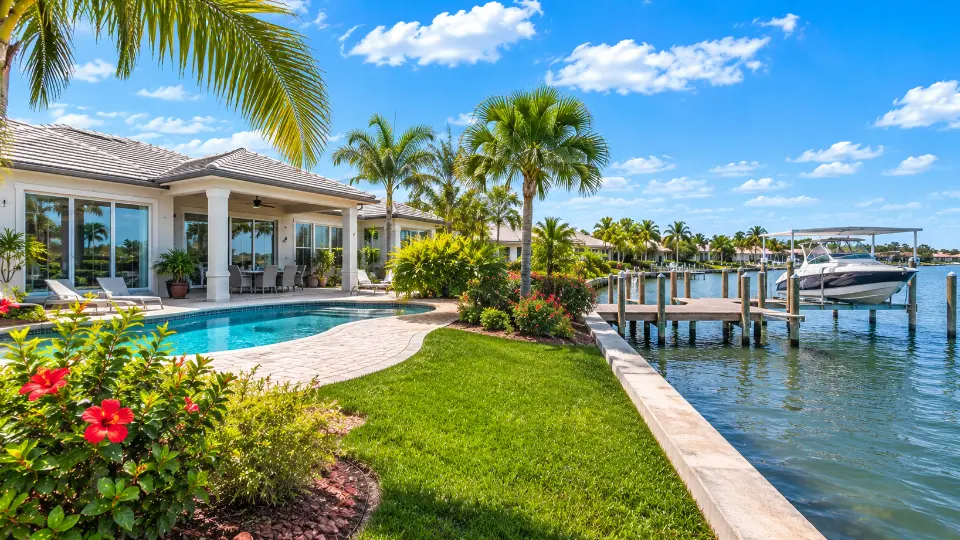
Before buying waterfront property in Florida, investigate much more than the view, location and asking price. Flood exposure, property-specific insurance, seawall condition, dock and boat-lift permits, water depth, tides, bridge restrictions, shoreline regulations, surveys and long-term maintenance costs can materially affect a purchase. A home advertised as waterfront or offering Gulf access may not work for your boat or intended improvements. The strongest waterfront purchase is one where the residence, shoreline infrastructure, boating access, ownership rights and recurring costs have all been independently evaluated before you make a final decision.
Quick Answers About Buying Waterfront Property in Florida
What should I check first when buying waterfront property?
First determine exactly what kind of waterfront you are buying and whether it supports your intended use. Gulf-front, bayfront, Intracoastal, riverfront, canal-front and lakefront properties can have very different boating access, storm exposure, infrastructure and permitting considerations.
Does homeowners insurance cover flooding in Florida?
Standard homeowners insurance does not cover flood damage. The Florida Department of Financial Services explains that flood insurance can be obtained through the National Flood Insurance Program and private insurers. Buyers should obtain property-specific insurance information rather than estimating costs from nearby homes.
Should I have a seawall inspected before buying?
A waterfront buyer should specifically evaluate a seawall, bulkhead or other shoreline stabilization when one is present. Age, construction, cracking, movement, soil loss, previous repairs and future maintenance responsibility can materially affect ownership costs, and specialized evaluation may be appropriate.
Does an existing dock mean it is legally permitted?
No. Buyers should verify available permits and approvals for docks, boat lifts and waterfront improvements rather than assuming an existing structure has all required authorization. The Florida Department of Environmental Protection regulates many waterfront activities and provides specific permitting and exemption processes.
Can every waterfront property accommodate my boat?
No. Water depth, tides, canal width, dock dimensions, boat-lift capacity, fixed bridges, bridge clearance and the entire route to open water can determine whether a property works for a particular vessel. Verify the actual boating route before relying on terms such as Gulf access or deep water.
Does Florida require sellers to disclose flooding?
Florida law requires a seller of residential real property to provide a statutory flood disclosure to the buyer at or before execution of the sales contract. The current disclosure addresses known property flooding during the seller's ownership, flood-related insurance claims and federal flood assistance, but buyers should still conduct independent flood and insurance due diligence.
Can I modify the shoreline after buying?
Do not assume you can build a larger dock, replace a seawall, dredge, remove mangroves or otherwise modify the shoreline simply because you own waterfront property. State, federal, local and association requirements may apply, so the feasibility of an important future project should be verified with the appropriate agencies and qualified professionals before purchase.
Is waterfront property more expensive to maintain?
It can be. In addition to ordinary home expenses, a waterfront owner may face dock, lift and seawall maintenance, greater coastal exposure, specialized insurance, storm preparation and other property-specific costs. Buyers should develop a realistic annual and long-term ownership budget before purchasing.
1. Start by Identifying the Type of Waterfront
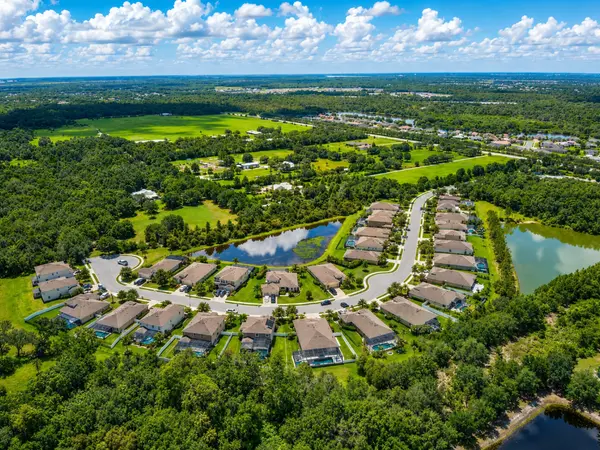
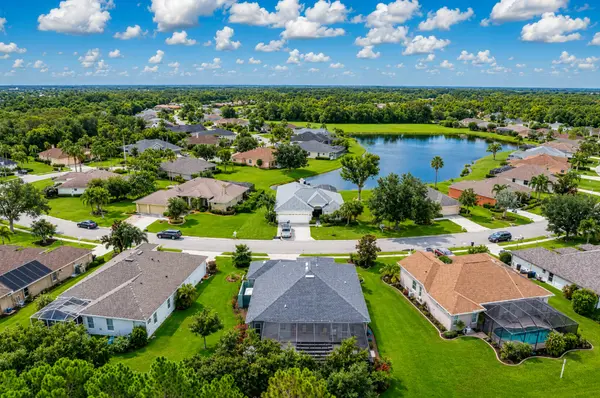
The word waterfront can describe dramatically different properties. A Gulf-front residence offers a different environment from a protected canal home, Sarasota Bay property, Intracoastal residence, riverfront house or freshwater lake home.
Even two canal-front properties in the same neighborhood may not offer equivalent boating access. One could have a direct route toward open water while another has shallow areas or fixed bridges that restrict the vessel a buyer intends to use.
Buyers exploring Florida's Gulf Coast can use Hunt Brothers Realty's guide to Sarasota's waterfront areas to compare locations such as barrier islands, bayfront neighborhoods and boating-oriented communities.
2. A Water View Is Not the Same as Navigable Waterfront
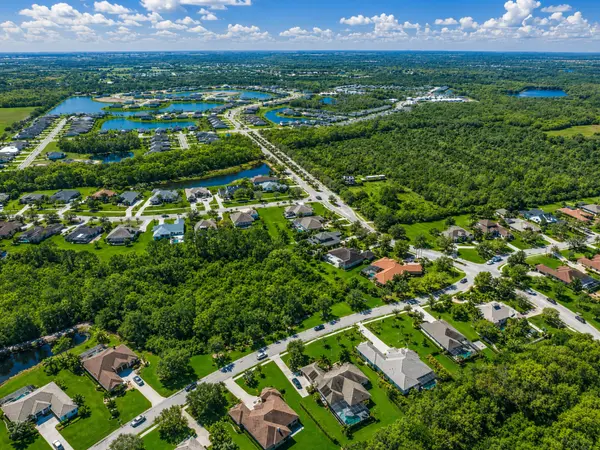
A home can overlook beautiful water without providing meaningful boating access. Retention ponds, lakes without navigable outlets, protected wetlands and certain shoreline settings can provide attractive views but may not support docks, motorized boating or access to larger waterways.
If boating is a primary reason for purchasing, evaluate the water before becoming attached to the house. Hunt Brothers Realty's 12 questions to ask before making an offer on a Florida waterfront home provides a useful property-specific checklist.
3. Investigate Flood Risk Beyond the Flood-Zone Letter
A FEMA flood-zone designation is important, but it should not be treated as the complete picture of property-specific flood exposure. Elevation, drainage, tidal exposure, building design, previous flooding and the surrounding land can also be relevant.
Florida law now requires a residential seller to provide a flood disclosure at or before the sales contract is executed. Under Florida Statute 689.302, the disclosure addresses known flooding that damaged the property during the seller's ownership, flood-related insurance claims and federal assistance received for flood damage.
That disclosure is valuable, but it is not a substitute for independent due diligence. Buyers may also want to investigate the current flood map, available elevation documentation, drainage conditions and property-specific insurance options.
4. Get Insurance Information Before the Property Becomes an Emotional Decision
Insurance can materially affect the affordability of waterfront ownership. Standard homeowners insurance does not cover damage resulting from flooding, according to the Florida Department of Financial Services.
Flood insurance can be available through the National Flood Insurance Program and private insurers. Whether a lender requires flood coverage is a separate question from whether a buyer decides coverage is appropriate for the property.
Do not assume the current owner's premium will become your premium. Obtain property-specific homeowners, wind and flood information from a qualified insurance professional and understand applicable deductibles, exclusions and coverage limitations before making a purchasing decision.
5. Understand What Flood Insurance May Not Cover
Waterfront buyers should pay particular attention to coverage for waterfront infrastructure. Florida Department of Financial Services guidance concerning National Flood Insurance Program coverage identifies items such as piers, seawalls, bulkheads, docks, wharves, boathouses and certain other outside property among property that is not covered under the standard flood policy.
That distinction matters because some of the most expensive waterfront components can sit outside the protection a buyer may assume comes with flood coverage. Policy terms vary, particularly in the private market, so waterfront infrastructure and available coverage should be discussed directly with a qualified insurance professional.
6. Treat the Seawall as Part of the Property Inspection
A seawall can be one of the most consequential pieces of infrastructure on a waterfront property. It deserves more than a quick look during a showing.
Depending on the property, investigate:
- Approximate age and construction type
- Visible cracking, separation or movement
- Evidence of leaning or displacement
- Soil loss, washout or voids behind the wall
- Previous repairs or reinforcement
- Available permits and engineering records
- Maintenance responsibility
- Potential repair or replacement planning
A general home inspection may not provide the specialized analysis needed to determine the condition or remaining service life of waterfront infrastructure. Material concerns should be evaluated by an appropriately qualified marine contractor, engineer or other waterfront specialist before the buyer makes a decision.
7. Verify the Dock and Boat Lift, Not Just Their Existence
An existing dock or boat lift should be evaluated from three perspectives: physical condition, legal status and practical usefulness.
The Florida DEP Environmental Resource Permitting program regulates many activities involving surface waters and wetlands. DEP provides a self-certification process for certain qualifying single-family dock projects, including some new docks, dock repairs and boat-lift additions, but eligibility depends on the project meeting the applicable requirements.
For an existing property, investigate available records for the dock, lift, pilings, electrical service, water service and later alterations. The fact that a structure has been in place for years does not by itself establish its permit history or guarantee that future expansion will be approved.
8. Make Sure the Property Actually Works for Your Boat
A waterfront property can have a beautiful dock and still be unsuitable for your vessel. Buyers who already own a boat should investigate the entire route from the dock to the water they intend to use.
Verify:
- Water depth at the dock
- Water depth along the route
- Tidal variation
- Canal width and maneuvering space
- Fixed bridges
- Actual bridge clearance
- Dock dimensions
- Boat-lift capacity
- Navigational restrictions
- Practical route to the bay, Intracoastal or Gulf
Marketing phrases such as deep water, sailboat water or no bridges should be independently verified when those characteristics are material to the purchase. Hunt Brothers Realty's Florida waterfront property buyer guide provides additional questions for boating-oriented buyers.
9. Do Not Assume You Can Cut or Remove Mangroves
Mangroves are protected under Florida law, and trimming or alteration is regulated. A waterfront owner should not assume vegetation can simply be removed to create a wider view or new water access.
The Florida Department of Environmental Protection's mangrove guidance explains that some trimming may qualify for exemptions, while other work requires a professional mangrove trimmer, a permit or both. Removal and alteration can be subject to additional requirements.
If an unobstructed view, dock expansion or shoreline redesign is important to your purchase, verify what is legally permissible before relying on the proposed work.
10. Beachfront Property Can Have Additional Construction Restrictions
Gulf-front and Atlantic beachfront property can involve another layer of coastal regulation. Florida's Coastal Construction Control Line identifies portions of the beach and dune system subject to severe storm-related fluctuations.
According to the Florida DEP Coastal Construction Control Line program, construction and excavation seaward of the line generally require DEP authorization unless an exemption applies. Special siting and design considerations are intended to protect the beach and dune system, structures, adjacent properties, public access, coastal vegetation and marine turtles.
A buyer planning a substantial renovation, new structure, pool, excavation or other improvement on coastal property should verify feasibility with the relevant permitting authorities and qualified design and construction professionals before making plans based on the proposed project.
11. A Current Survey Can Be Especially Important on Waterfront Property
Waterfront boundaries can involve issues that are not obvious from a lawn, seawall or dock. A survey may help identify property boundaries, improvements, easements and other matters relevant to the parcel.
Do not assume the seawall is the legal property boundary or that every waterfront structure sits entirely within the rights associated with the property. Dock rights, riparian matters, submerged lands, easements and title questions can require specialized interpretation.
Boundary and survey questions should be reviewed with a qualified Florida surveyor, and questions involving ownership rights, title or legal access should be reviewed with the appropriate title professional or Florida real estate attorney.
12. Salt, Wind and Moisture Change the Maintenance Equation
Florida's coastal environment can be demanding on building materials. Salt, humidity, wind, intense sun and storm exposure can affect metal components, exterior finishes, mechanical equipment, windows, doors, railings, roofs, docks and other systems.
A waterfront inspection strategy should therefore consider the home's exposure as well as its age. Depending on the property, a buyer may want qualified specialists to evaluate roofing, electrical systems, structural conditions, exterior components, docks, seawalls and other systems beyond the scope of a standard home inspection.
13. Understand the True Cost of Waterfront Ownership
The mortgage payment is only one part of the waterfront budget. A buyer should consider recurring expenses and less frequent capital projects that may be unique to the property.
Depending on the home, those costs may include:
- Homeowners insurance
- Flood coverage
- Applicable wind coverage and deductibles
- Property taxes
- HOA or condominium assessments
- Seawall inspection and maintenance
- Future seawall repair or replacement
- Dock maintenance
- Boat-lift service and repairs
- Pool and landscaping expenses
- Exterior maintenance associated with coastal exposure
- Storm preparation and post-storm work
A home can fit your purchase budget while still exceeding the ownership budget you are comfortable carrying. Obtain property-specific estimates rather than relying on general waterfront averages.
14. Condos and HOAs Add Another Layer of Waterfront Due Diligence
Waterfront ownership through a condominium or deed-restricted association can change who controls and maintains the shoreline infrastructure. A dock, seawall or marina visible from the residence may be association property rather than an individual owner's responsibility.
Before purchasing, verify questions such as:
- Is a boat slip actually included with the residence?
- Is the slip deeded, assigned, leased or otherwise controlled?
- Can the assignment change?
- What vessel-size restrictions apply?
- Who maintains the dock and seawall?
- Are waterfront repairs included in reserves?
- Are special assessments pending or anticipated?
- Can owners add or modify boat lifts?
For condominium purchases, also review Hunt Brothers Realty's Florida condo buyer guide before evaluating the waterfront features separately.
15. Waterfront Due Diligence Should Include the House and the Water
With an inland property, most inspection attention naturally centers on the house. A waterfront purchase can require two parallel evaluations: the residence itself and the waterfront system supporting the lifestyle.
Depending on the property, buyers may need information or evaluation from a:
- Licensed home inspector
- Marine contractor
- Structural or coastal engineer
- Surveyor
- Insurance professional
- Title or closing professional
- Florida real estate attorney
- Local or state permitting authority
- Condominium or homeowners association when applicable
Not every waterfront property requires every specialist. The appropriate level of review should be based on the home's construction, waterfront infrastructure, documents, proposed use and findings uncovered during due diligence.
16. Do Not Assume You Can Rebuild or Expand Exactly What Is There Today
A buyer considering major renovation or redevelopment should investigate current rules before assuming an existing home's footprint, dock, seawall, pool or other improvements can simply be replaced or expanded in the same manner.
Floodplain requirements, coastal permitting, setbacks, environmental regulations, local building rules and association restrictions can affect proposed improvements. Existing conditions and prior approvals do not necessarily establish what will be approved for a future project.
If redevelopment potential is material to the purchase, obtain property-specific guidance from the appropriate architect, engineer, contractor, surveyor, attorney and government permitting authorities before relying on a proposed design.
17. Compare Waterfront Locations by Lifestyle, Not Just Price
Florida's Gulf Coast provides many different waterfront experiences. A boating-oriented canal home may suit one buyer better than a Gulf-front property, while another buyer may prioritize beach access or a condominium overlooking the bay.
Around Sarasota, buyers can compare areas such as Bird Key, Longboat Key, Siesta Key, Lido Key, Harbor Acres and Casey Key, along with mainland canal and bayfront communities. Hunt Brothers Realty's guide to evaluating high-end Florida waterfront property examines many of these location and property-level considerations.
Buyers interested in barrier-island property can also explore current Longboat Key real estate and review Hunt Brothers Realty's Longboat Key buyer due-diligence guide.
18 Questions to Ask Before Making an Offer on a Waterfront Home
- What type of waterfront does the property actually have?
- What is the property's current flood-zone designation?
- Is current elevation documentation available?
- What flooding information has the seller disclosed?
- What property-specific homeowners and flood insurance options are available?
- Does the property have a seawall or other shoreline stabilization?
- What is its condition and maintenance history?
- Who is responsible for future seawall work?
- Are the dock and boat lift appropriately documented and permitted?
- What condition are the dock and lift in?
- What water depth is available at the dock and along the boating route?
- How do tides affect usable depth?
- Are there fixed bridges or other boating restrictions?
- Does the lift have the appropriate capacity for the intended boat?
- Are mangroves or other regulated shoreline features present?
- Does a survey reveal easements, encroachments or other relevant matters?
- Do association rules affect docks, lifts, boats or waterfront improvements?
- What major waterfront maintenance expenses should be planned for?
Additional Questions About Florida Waterfront Property
Is waterfront property automatically in a high-risk flood zone?
Do not infer a property's official flood-zone designation solely from the fact that it is waterfront. Check the current mapping and property-specific information. Regardless of the zone, waterfront buyers should consider elevation, drainage, prior flooding information and insurance availability.
Can I rely on an old elevation certificate?
Existing elevation documentation can be useful, but whether it is adequate for your particular insurance, permitting or transaction purpose should be verified. A surveyor, insurance professional or relevant authority can advise whether updated information is needed.
Does a private dock mean I own the submerged land beneath it?
Not necessarily. Waterfront ownership, riparian rights and submerged lands can involve legal distinctions that are not established merely by the presence of a dock. Questions about ownership, title and waterfront rights should be reviewed with qualified survey, title and legal professionals.
Should I inspect a boat lift even if it operates during the showing?
Operation during a showing does not establish the condition, rated capacity, electrical condition or remaining service life of a lift. If the lift is important to the purchase, consider evaluation by an appropriate marine professional and verify that it suits the intended vessel.
Is a newer seawall automatically in good condition?
No. Age is only one factor. Construction quality, design, soil conditions, storm exposure, installation, drainage and previous damage can also matter. Condition should be evaluated property by property.
Can I add a pool to a waterfront home?
Possibly, but feasibility depends on the property. Setbacks, floodplain requirements, coastal regulations, easements, lot dimensions, utilities, association rules and local permitting can all affect a proposed pool. Verify feasibility before purchasing if a future pool is an important requirement.
Is Buying Waterfront Property in Florida Worth It?
Florida waterfront property can offer direct boating access, Gulf and bay views, beach proximity and a lifestyle that is difficult to duplicate inland. Whether a particular property is worth buying, however, depends on much more than the scenery.
The most informed buyers evaluate the residence and the waterfront as interconnected parts of the same purchase. Flood exposure, insurance, seawalls, docks, boating access, permits, surveys, environmental restrictions and long-term costs can reveal substantial differences between homes that initially appear similar.
Hunt Brothers Realty can help buyers compare Florida Gulf Coast waterfront properties and identify property-specific questions that deserve further investigation. Read the complete 2026 Florida waterfront home buyer guide, review 10 things to know before buying waterfront property, explore the best Sarasota areas for waterfront living, or contact Hunt Brothers Realty to discuss current waterfront opportunities.
Informational notice: This article provides general real estate and waterfront-property information for educational purposes and is not individualized legal, financial, tax, insurance, lending, inspection, engineering, construction, environmental, title, surveying or permitting advice. Flood exposure, insurance, shoreline conditions, boating access, permits, ownership rights and improvement feasibility are property-specific. Buyers should verify material information with the appropriate licensed real estate professional, insurance agent, surveyor, title professional, Florida real estate attorney, inspector, engineer, marine contractor, lender, association and government permitting authority before making a purchasing decision.
Sources
- Florida Legislature, Section 689.302, Disclosure of Flood Risks to Prospective Purchasers
- Florida Department of Financial Services, Flood Insurance Overview
- Florida Department of Financial Services, Homeowners Insurance Overview
- Florida Department of Financial Services, Flood Insurance Coverage FAQs
- Florida Department of Environmental Protection, Environmental Resource Permitting
- Florida Department of Environmental Protection, Mangrove Frequently Asked Questions
- Florida Department of Environmental Protection, Coastal Construction Control Line Permitting
- Hunt Brothers Realty, Buying a Waterfront Home in Florida: 2026 Buyer's Guide
- Hunt Brothers Realty, Buying Waterfront Property in Florida: 10 Things to Know
- Hunt Brothers Realty, 12 Questions Before Making an Offer on a Waterfront Home
- Hunt Brothers Realty, Best Sarasota Areas for Waterfront Living
Hunt Brothers Realty
Hunt Brothers Realty
46 N. Washington Blvd, Ste 3, Sarasota, FL 34236
Phone: (941) 388-7017
Email: info@huntbrothersrealty.com
Website: HuntBrothersRealty.com
Categories
- All Blogs 2473
- Anna Maria Island 88
- Bird Key 4
- Bradenton 239
- Buying a Home 1510
- Casey Key 2
- Clearwater 14
- Condos & HOA Living 1434
- Ellenton 6
- Englewood 13
- First Time Homebuyers 1625
- Foreclosures 4
- Home Selling 7
- Homeownership 1659
- Lakewood Ranch 29
- Lido Key 29
- Longboat Key 80
- Luxury/Waterfront Properties 1601
- Market Updates & Trends 1109
- Mortgages & Financing 73
- Move-Up Buyers 24
- Neighborhood Guides 1232
- New Construction 42
- Palmetto 4
- Parrish 19
- Port Charlotte 36
- Punta Gorda 164
- Real Estate Investing 1514
- Relocation to Florida 1547
- Safety Harbor 4
- Sarasota 109
- Sarasota - Downtown 168
- Selling a Home 146
- Siesta Key 93
- St. Petersburg 9
- Taxes and Homestead 3
- Tierra Verde 7
- Vacation & Second Homes 1707
- Venice 215
- Wellen Park 22
Recent Posts