What Should I Know Before Buying a Waterfront Home in Florida?
Before buying a waterfront home in Florida, investigate more than the view, location, and asking price. Waterfront ownership can involve flood exposure, specialized insurance, seawall and dock maintenance, coastal permitting requirements, and restrictions on boating access or shoreline improvements. Buyers should also review the property's elevation, storm history, survey, drainage, and potential future maintenance costs. A home advertised as waterfront may not provide the boating access or improvement rights you expect. Understanding these issues before purchasing can help you evaluate both the lifestyle benefits and the financial responsibilities of Florida waterfront ownership.
From Sarasota Bay and Siesta Key to Venice, Longboat Key, Englewood, and Florida's Gulf Coast offers many different types of waterfront properties. Each setting has its own considerations involving water access, shoreline conditions, insurance, and maintenance.
This guide explains what buyers should investigate, which questions to ask, and when to involve qualified professionals before purchasing a Florida waterfront home.
Quick Answers About Buying a Waterfront Home in Florida
What is the most important thing to check before buying a waterfront home in Florida?
Start by evaluating flood exposure, insurance availability, the condition of waterfront structures, and any legal restrictions affecting the property. These issues can materially affect ownership costs and how the waterfront can be used.
Do waterfront homes in Florida require flood insurance?
Not every waterfront home has the same flood insurance requirement. Requirements can depend on the property's flood zone, financing, insurer, and policy type. Even when flood insurance is not mandatory, buyers should evaluate their exposure with a qualified insurance professional.
Should I get a seawall inspection before buying?
Yes, when a property has a seawall, a qualified marine contractor or structural engineer should evaluate its condition. A general home inspection may not adequately assess a seawall's structural condition or remaining service life.
Does waterfront property automatically include boating access?
No. Water depth, bridge clearance, tides, navigation restrictions, and legal access rights can determine whether a particular boat can use the property.
Can I build a dock on Florida waterfront property?
Possibly, but dock construction may require permits or other authorizations. Requirements depend on the location, environmental conditions, property rights, and proposed design. Buyers should verify feasibility before purchasing with plans to add a dock.
Are waterfront homes more expensive to maintain?
They can be. Salt exposure, coastal weather, shoreline structures, docks, and specialized insurance may create additional expenses. Actual costs depend on the individual property.
Is buying a waterfront home in Florida worth it?
Waterfront ownership can provide views, boating opportunities, and direct access to outdoor recreation. Whether it is worthwhile depends on the property's condition, ongoing costs, legal limitations, and how well it supports your lifestyle.
1. Understand the Different Types of Florida Waterfront Property
The term waterfront home describes several different property settings.
Before purchasing, identify the type of waterfront and what it actually offers.
Gulf-Front Homes
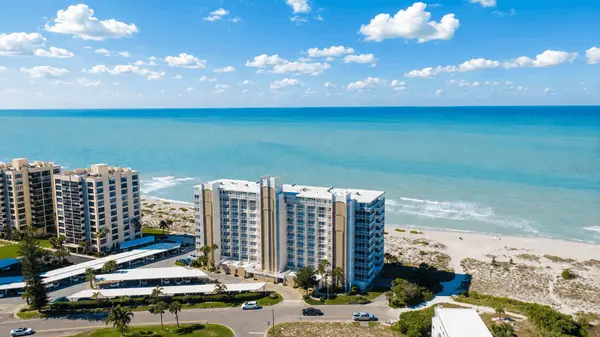
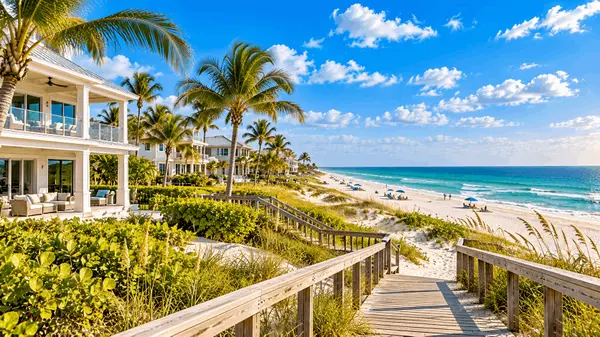
Gulf-front properties may offer direct beach frontage and expansive water views.
These properties may also face significant coastal exposure and restrictions involving dunes, beach access, erosion, and construction near the shoreline.
Bayfront Homes
Bayfront properties may provide scenic views, recreational boating opportunities, and access to larger waterways.
Conditions vary by location, including water depth, shoreline protection, and exposure to wind-driven water.
Canal-Front Homes
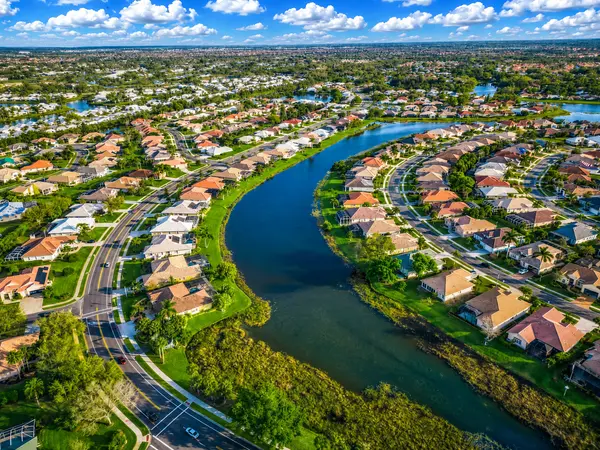
Canal-front properties are common in some Florida boating communities.
However, canal width, depth, tidal conditions, bridges, and access routes can affect usability.
A canal-front home should not automatically be described as having unrestricted Gulf access.
Riverfront Homes
Riverfront properties may offer boating, kayaking, fishing, and natural surroundings.
Water levels, currents, navigation conditions, and flood exposure can vary substantially.
Lakefront Homes
Lakefront homes can provide attractive views and recreational opportunities.
Some lakes are primarily stormwater management facilities rather than recreational waterways. Buyers should verify whether swimming, fishing, boating, or shoreline modifications are permitted.
| Waterfront Type | Important Buyer Considerations |
|---|---|
| Gulf-Front | Erosion, storm exposure, beach access, coastal construction restrictions |
| Bayfront | Water depth, docks, wind exposure, shoreline condition |
| Canal-Front | Bridge clearance, navigation route, canal depth, seawall condition |
| Riverfront | Currents, changing water levels, flood exposure, navigation |
| Lakefront | Water management purpose, recreational rights, shoreline maintenance |
The first question is not simply whether a home is waterfront. It is what kind of waterfront ownership the property actually provides.
2. Check the Flood Zone and Understand the Property's Actual Flood Risk
Flood exposure is one of the most important considerations when buying waterfront property in Florida.
Start by reviewing the property's location through the FEMA Flood Map Service Center.
FEMA flood maps identify designated flood hazard areas used for various regulatory and insurance purposes.
However, a flood zone designation does not tell the entire story.
A property outside a designated high-risk flood zone can still experience flooding from rainfall, drainage problems, or extreme weather.
Common Flood Zone Designations
Zone AE: Generally identifies areas with a 1% annual chance of flooding where base flood elevations have been determined.
Zone VE: Generally identifies coastal high-hazard areas with additional exposure to storm-induced waves.
Zone X: Includes areas with varying mapped flood-risk classifications, including areas outside the mapped 1% annual chance floodplain. A Zone X designation does not mean the property cannot flood.
Buyers should confirm the exact flood designation and its implications with the appropriate local authority, lender, and insurance professional.
What Is an Elevation Certificate?
An elevation certificate documents certain elevation characteristics of a building and its relationship to applicable flood elevations.
An existing elevation certificate may provide useful information for a waterfront purchase.
Buyers can ask whether one is available and consult a qualified surveyor or insurance professional about whether an updated certificate would be helpful.
Flood maps, elevation data, drainage conditions, and historical flooding should be evaluated together rather than relying on any single indicator.
3. Understand Florida's Flood Disclosure Requirements
Florida law requires residential property sellers to provide a flood disclosure to buyers.
Under Florida Statutes Section 689.302, a seller must complete and provide the required flood disclosure at or before the time the sales contract is executed.
The disclosure addresses whether the seller has knowledge of flooding that damaged the property during the seller's ownership, whether the seller filed a flood-related insurance claim, and whether the seller received certain flood-related assistance.
The statutory disclosure also explains that homeowners insurance does not include coverage for damage resulting from floods.
A completed flood disclosure is important, but it is not a guarantee that the property has never flooded.
A seller may not know everything that occurred before their ownership.
Buyers should review the disclosure, investigate available property history, and consult qualified inspectors or other professionals about signs of prior water intrusion.
Questions about disclosure obligations or potential legal remedies should be reviewed with a qualified Florida real estate attorney. :chatgpt-content-reference{index="0"}
4. Obtain Waterfront Home Insurance Quotes Before Purchasing
Insurance is a major part of evaluating the cost of waterfront ownership.
Coverage availability and premiums can vary substantially based on the home's location, age, construction, roof condition, flood exposure, and other underwriting factors.
Buyers may need to evaluate several types of coverage.
Homeowners Insurance
Homeowners insurance may cover certain risks involving the structure and personal property, subject to the policy's terms, limits, deductibles, and exclusions.
Windstorm and Hurricane Coverage
Wind coverage and hurricane deductibles require careful review.
Buyers should ask how hurricane deductibles are calculated and whether the quoted coverage includes relevant wind-related risks.
Flood Insurance
Flood insurance is generally separate from a standard homeowners insurance policy.
Coverage may be available through the National Flood Insurance Program or private insurers.
Buyers should compare available coverage, limits, exclusions, and deductibles rather than relying solely on the premium.
Important Citizens Insurance Requirements
Florida's Citizens Property Insurance Corporation has phased-in flood insurance requirements for many personal residential policies that include wind coverage.
According to Citizens' published requirements, qualifying properties outside designated special flood hazard areas with dwelling coverage of $400,000 or more became subject to the flood coverage requirement in 2026.
The published phase-in schedule extends the requirement to all qualifying personal residential policies with wind coverage in 2027, regardless of dwelling value, subject to applicable exceptions.
Policies for qualifying properties within special flood hazard areas are already subject to separate requirements.
Because insurance rules and eligibility can change, buyers should confirm current requirements directly with Citizens or a qualified insurance professional. :chatgpt-content-reference{index="1"}
Do not wait until shortly before closing to investigate insurance. Obtain property-specific quotes early enough to evaluate coverage and affordability before contractual deadlines expire.
5. Have the Seawall Professionally Evaluated
For properties with seawalls, their condition can be a major financial consideration.
A seawall is designed to retain soil and provide shoreline protection, but its performance depends on design, materials, installation, drainage, maintenance, and site conditions.
Potential concerns include:
- Cracking or displacement
- Bulging or leaning
- Soil loss behind the wall
- Settlement near the shoreline
- Deteriorated concrete or other materials
- Corroded structural components
- Drainage problems
- Previous repairs of uncertain quality
Not every visible crack indicates major structural failure, and some serious conditions may not be obvious during a casual viewing.
A qualified marine contractor or structural engineer should evaluate the seawall and explain any recommended repairs or further investigation.
Buyers should also investigate who owns the seawall and who is responsible for maintaining it.
In some communities, waterfront structures may involve shared maintenance obligations or association responsibilities.
6. Inspect the Dock, Boat Lift, and Other Marine Structures
A private dock can be a major attraction for waterfront buyers.
However, a dock should be evaluated as a separate structure rather than treated as a simple accessory.
Depending on the installation, inspection considerations may include:
- Pilings and structural supports
- Decking and connections
- Corrosion and deterioration
- Boat lift capacity
- Lift motors and mechanical components
- Electrical equipment
- Water supply and dock utilities
- Storm-related damage
- Permit and construction records
A marine contractor should evaluate the dock and lift, while a qualified electrician should assess electrical concerns.
Buyers should also verify whether the existing dock or lift is permitted and whether any required authorizations remain valid.
The Florida Department of Environmental Protection's Environmental Resource Permitting program provides information about certain dock permits and exemptions.
Some qualifying single-family dock projects may use exemption procedures, but exemption eligibility should never be assumed without verification. :chatgpt-content-reference{index="2"}
7. Verify Boating Access, Water Depth, and Bridge Clearance
One of the biggest mistakes a boating enthusiast can make is assuming that waterfront location guarantees practical access for their vessel.
A property may have a dock but still be unsuitable for a particular boat.
Water Depth
Water depth can vary with tides, sediment movement, and channel conditions.
A buyer should determine whether the available depth is adequate for the vessel's draft under relevant operating conditions.
Bridge Clearance
Fixed bridges can restrict access for taller boats.
Bridge clearance should be compared with the vessel's air draft, taking into account water levels and other relevant conditions.
Navigation Route
The distance from a dock to open water may be substantially longer than it appears on a map.
Narrow channels, no-wake areas, shallow passages, and other navigation constraints can affect travel time and usability.
Boat Lift Compatibility
An existing boat lift may not be suitable for the buyer's vessel.
Verify capacity, dimensions, condition, and compatibility with a qualified marine professional.
Buyers purchasing specifically for boating should verify the complete route from the property to their intended destinations.
Current nautical charts, local marine professionals, and an appropriately planned on-water evaluation can provide useful information. Navigation conditions should be assessed by qualified boating or marine professionals rather than inferred from a real estate listing.
8. Understand Waterfront Property Lines and Water Access Rights
Waterfront property boundaries can involve more complicated legal questions than those associated with a typical inland lot.
Buyers should not assume that owning land next to water means owning the submerged land beneath it.
Depending on the property, relevant issues may include:
- Recorded property boundaries
- Riparian or littoral rights
- Easements
- Public access rights
- Submerged land ownership
- Dock authorizations
- Shared waterfront facilities
- Restrictions affecting shoreline use
Some waterfront improvements may involve state-owned submerged lands and require additional authorization.
The Florida Department of Environmental Protection provides information about environmental permitting and submerged lands authorization.
A qualified surveyor should review property boundaries, and a Florida real estate attorney or appropriate title professional should evaluate significant ownership, easement, and water access questions. :chatgpt-content-reference{index="3"}
9. Research Permits Before Planning Waterfront Improvements
Waterfront buyers often envision improvements such as a new dock, larger boat lift, seawall replacement, pool, outdoor living area, or shoreline stabilization project.
However, waterfront construction can involve several layers of regulation.
Depending on the project and location, approvals may involve:
- Local building departments
- Local zoning authorities
- Florida Department of Environmental Protection
- Water management districts
- Federal regulatory agencies
- Homeowners associations
- Other entities with jurisdiction over the property
The Florida Department of Environmental Protection explains that certain projects may require an environmental resource permit, while others may qualify for an exemption or general permit.
The agency also notes that some projects may require authorization to use state-owned submerged lands. :chatgpt-content-reference{index="4"}
Do not purchase waterfront property based on an assumption that a proposed improvement will be approved.
Consult the relevant permitting authorities and qualified marine contractors, engineers, or other professionals before relying on the feasibility of a project.
10. Know the Rules About Mangroves and Shoreline Vegetation
Florida waterfront properties may contain mangroves or other environmentally sensitive vegetation.
Mangroves provide important habitat and shoreline functions, and their trimming or removal is regulated.
The Florida Department of Environmental Protection provides information about the state's Mangrove Trimming and Preservation Act.
Some limited trimming activities may qualify for statutory exemptions, but requirements depend on the circumstances.
Removing mangroves or substantially altering shoreline vegetation may require permits and specialized professional involvement.
Buyers should not assume they can clear vegetation simply to improve a water view or create access for a kayak or boat.
Before purchasing a property where vegetation affects the intended use, verify what work is legally permitted with the appropriate environmental authority. :chatgpt-content-reference{index="5"}
11. Evaluate Hurricane Exposure and Previous Storm Damage
Coastal Florida homes may experience hurricane-force winds, storm surge, heavy rainfall, and other severe weather conditions.
The property's exposure depends on its specific location, elevation, construction, and surrounding conditions.
Buyers should investigate whether the home has experienced previous storm damage and whether repairs were completed properly.
Potential areas of concern include:
- Roof damage
- Window and door damage
- Water intrusion
- Electrical system exposure
- HVAC equipment damage
- Foundation or structural movement
- Seawall and dock damage
- Drainage and erosion problems
A general home inspection is important, but specialized inspections may be appropriate when the property has experienced significant storm damage.
Buyers should ask about available repair documentation, permits, warranties, and other records.
Significant findings should be reviewed by qualified inspectors, contractors, engineers, or other relevant professionals before making a purchasing decision.
12. Understand the Effects of Salt Air and Coastal Conditions
Salt air and coastal moisture can affect certain building materials and mechanical components.
Potential maintenance concerns include corrosion of metal components, deterioration of exterior finishes, and accelerated wear of exposed equipment.
Items worth examining include:
- Air conditioning equipment
- Exterior fasteners
- Metal railings
- Outdoor electrical fixtures
- Garage doors
- Window and door hardware
- Exterior coatings
- Pool equipment
- Dock hardware
A qualified home inspector can help identify visible deterioration, while specialized contractors can evaluate significant concerns.
Buyers should consider the home's maintenance history and the potential need for more frequent upkeep in exposed coastal locations.
13. Investigate Coastal Erosion and Shoreline Stability
Shorelines can change over time.
Erosion, sediment movement, storms, currents, and other environmental factors may affect waterfront property.
For beachfront properties, buyers should investigate relevant coastal conditions and restrictions.
The Florida Department of Environmental Protection's Beaches, Inlets and Ports Program provides information about coastal permitting and related resource protection.
For canal, river, or bayfront properties, shoreline stability may depend on seawalls, natural vegetation, drainage, and site-specific conditions.
If erosion or shoreline movement is a concern, buyers should consult a qualified coastal engineer, marine contractor, or other appropriate specialist.
14. Review HOA, Condominium, and Community Restrictions
Not every waterfront property allows the same uses or improvements.
Some properties are located within homeowners associations, condominium associations, or other communities with recorded restrictions.
These restrictions may affect:
- Dock construction and modifications
- Boat size or storage
- Exterior renovations
- Pool or fence installation
- Rental activity
- Parking and vehicle storage
- Shared waterfront facilities
- Shoreline maintenance responsibilities
Florida homeowners associations are generally governed by Chapter 720 of the Florida Statutes, while condominium associations are generally governed by Chapter 718.
Waterfront buyers should also determine whether the property has regular assessments, special assessments, or Community Development District charges.
A qualified Florida real estate attorney can help interpret governing documents and significant legal restrictions.
15. Calculate the Full Cost of Waterfront Homeownership
The purchase price is only one part of the financial picture.
Depending on the property, waterfront ownership costs may include:
- Mortgage principal and interest
- Property taxes
- Homeowners insurance
- Flood insurance
- HOA or condominium assessments
- CDD assessments
- Seawall maintenance
- Dock and boat lift maintenance
- Exterior repairs
- Landscaping and shoreline care
- Utilities
- Future capital improvements
Buyers should also investigate whether the property's assessed value and tax exemptions may change after purchase.
A seller's current property tax bill may not represent the buyer's future tax obligation.
Property-specific tax questions should be reviewed with the appropriate county property appraiser or a qualified tax professional.
Illustrative Waterfront Ownership Budget
The following example is hypothetical and is not a market estimate or quote for any specific Florida property.
| Expense | Illustrative Annual Amount |
|---|---|
| Property Taxes | $8,000 |
| Homeowners Insurance | $6,000 |
| Flood Insurance | $2,500 |
| HOA Assessments | $1,800 |
| Waterfront Maintenance Allowance | $4,000 |
| Illustrative Total | $22,300 |
This example excludes mortgage payments, utilities, many ordinary home maintenance costs, and unexpected repairs.
Actual costs may be significantly higher or lower.
Buyers should obtain current property-specific estimates from insurers, lenders, tax professionals, and qualified contractors rather than using generalized figures to make a purchasing decision.
16. Understand Waterfront Financing and Appraisal Considerations
Financing a waterfront home may involve additional considerations depending on the property and loan program.
Lenders may evaluate the property's condition, insurability, flood designation, and other risk factors.
An appraisal may also consider waterfront characteristics and comparable sales.
Not all waterfront properties are directly comparable.
For example, two homes with similar square footage may differ in:
- Water frontage
- View orientation
- Boating access
- Water depth
- Dock facilities
- Flood exposure
- Shoreline condition
- Lot configuration
Buyers should discuss financing requirements and potential appraisal concerns with a qualified mortgage lender before making financial commitments.
17. Compare Waterfront Communities Along Florida's Gulf Coast
The Sarasota and Venice region includes several distinct waterfront environments.
The right location depends on whether you prioritize boating, beach access, views, privacy, neighborhood amenities, or proximity to shopping and services.
Sarasota Waterfront Homes
Sarasota offers bayfront, canal-front, and other waterfront housing options.
Buyers should investigate the specific property's boating access, shoreline condition, flood exposure, and proximity to desired destinations.
Siesta Key Waterfront Homes
Siesta Key includes properties with Gulf, bay, and canal settings.
Waterfront buyers should carefully evaluate storm exposure, insurance, property access, and any applicable rental or improvement restrictions.
Longboat Key Waterfront Homes
Longboat Key offers waterfront properties in both Gulf-facing and bay-facing locations.
The property's specific setting can affect water access, coastal exposure, and maintenance needs.
Venice Waterfront Homes
Venice offers a range of waterfront environments, including coastal and inland water settings.
Buyers should distinguish between properties offering scenic water views and those providing practical boating access.
Casey Key Waterfront Homes
Casey Key includes coastal properties where shoreline conditions, access, and environmental restrictions can be especially important.
Buyers considering significant renovations or shoreline improvements should verify feasibility before purchasing.
Englewood and Manasota Key Waterfront Homes
Englewood and Manasota Key offer different waterfront settings, including coastal and bay-related environments.
Insurance, storm history, water access, and property-specific conditions deserve careful attention.
Boca Grande Waterfront Homes
Boca Grande and Gasparilla Island offer distinctive coastal and waterfront properties.
Buyers should review island-specific access considerations, coastal exposure, applicable regulations, and maintenance requirements.
To explore waterfront real estate throughout the region, visit Hunt Brothers Realty.
18. Questions to Ask Before Making an Offer on a Waterfront Home
Before making an offer, buyers should gather as much relevant information as reasonably possible.
- What type of waterfront does the property have?
- What is the property's current FEMA flood zone?
- Is an elevation certificate available?
- Has the property experienced known flooding?
- Has the seller filed any flood-related insurance claims?
- Are property-specific homeowners and flood insurance quotes available?
- Does the property have a seawall?
- When was the seawall installed or last repaired?
- Has the seawall been professionally inspected?
- Does the property have a dock or boat lift?
- Are permits and approvals available for waterfront structures?
- What water depth is available at the dock?
- Are there fixed bridges along the boating route?
- Are there restrictions on boat size or use?
- Are there mangroves or protected shoreline features?
- Are there easements or access rights affecting the waterfront?
- Who maintains the shoreline and marine structures?
- Are HOA, condominium, or CDD assessments applicable?
- Have major storm repairs been completed?
- Are there open permits or unresolved code issues?
- Are future waterfront improvements legally and physically feasible?
- What are the estimated ongoing ownership costs?
19. Florida Waterfront Home Inspection Checklist
A waterfront purchase may warrant several specialized evaluations in addition to a standard home inspection.
| Area to Evaluate | Appropriate Professional or Source |
|---|---|
| General Home Condition | Qualified home inspector |
| Seawall | Qualified marine contractor or structural engineer |
| Dock and Boat Lift | Qualified marine contractor or lift specialist |
| Marine Electrical Systems | Qualified electrician |
| Property Boundaries | Licensed surveyor |
| Flood Exposure | FEMA maps, local authorities, qualified insurance professional |
| Boating Access | Qualified marine professional and current navigation information |
| Permits | Relevant local, state, and federal permitting authorities |
| Ownership and Access Rights | Florida real estate attorney and title professional |
| Insurance | Qualified insurance professional |
The appropriate inspection scope depends on the property.
Buyers should discuss inspection timing and contractual rights with their real estate professional and consult a Florida real estate attorney when legal questions arise.
Frequently Asked Questions About Buying Waterfront Property in Florida
Are Florida waterfront homes always in flood zones?
Every property can be located on a flood map, but waterfront homes do not all have the same flood hazard designation. Buyers should verify the specific property's classification and understand that flooding can occur outside designated high-risk areas.
Can I buy a waterfront home without flood insurance?
That depends on lender requirements, insurance policy conditions, and the property. Even when flood coverage is not required, buyers should discuss the financial exposure with a qualified insurance professional.
How much does it cost to replace a seawall in Florida?
Costs vary substantially depending on length, design, materials, access, permitting, soil conditions, and engineering requirements. Buyers should obtain a property-specific evaluation and written estimate from qualified professionals.
How long does a Florida seawall last?
There is no reliable single lifespan for every seawall. Longevity depends on materials, installation, exposure, drainage, maintenance, and other conditions. A qualified marine contractor or engineer should evaluate the specific structure.
Can I replace an existing dock without a permit?
Some qualifying dock work may be exempt from certain permits, but requirements depend on the project and location. Verify the applicable rules with the appropriate permitting authorities before beginning work.
Does a waterfront home automatically come with water rights?
Not necessarily in the manner a buyer might expect. Waterfront ownership can involve complex riparian or littoral rights, easements, and submerged land issues. A qualified surveyor, title professional, or Florida real estate attorney should review significant questions.
Can I remove mangroves to improve my water view?
Mangrove trimming and removal are regulated in Florida. Buyers should verify whether any proposed work is permitted and whether a qualified professional or authorization is required.
Is a canal-front home the same as a Gulf-access home?
No. A canal may connect to navigable waterways, but bridges, shallow passages, and other restrictions can affect practical access. Buyers should verify the route for their intended vessel.
Do waterfront homes require more maintenance than inland homes?
They may. Salt exposure, marine structures, shoreline conditions, and coastal weather can create additional maintenance obligations. The actual difference depends on the individual property.
Should I use a real estate agent when buying a Florida waterfront home?
A licensed real estate professional can help buyers identify waterfront properties, compare locations, and coordinate relevant due diligence. Specialized legal, insurance, engineering, surveying, marine, and inspection questions should be addressed by the appropriate qualified professionals.
The Bottom Line: What Should You Know Before Buying a Waterfront Home in Florida?
Buying a waterfront home in Florida can offer a distinctive lifestyle, but it requires careful evaluation of issues that may not arise with a typical inland property.
Before purchasing, investigate flood exposure, insurance, seawalls, docks, boating access, shoreline stability, property boundaries, permits, and maintenance obligations.
Review the seller's flood disclosure and arrange appropriate inspections.
If you plan to use a boat, construct a dock, replace a seawall, or modify the shoreline, verify that your plans are physically feasible and legally permitted before relying on them in your purchase decision.
The right waterfront home is not simply the property with the most impressive view. It is a property whose condition, access, ownership rights, restrictions, and long-term costs align with your goals.
Explore Florida Gulf Coast Waterfront Homes With Hunt Brothers Realty
If you are considering waterfront real estate in Sarasota Bay and Siesta Key to Venice, Longboat Key, Englewood, and Florida's Gulf Coast Hunt Brothers Realty can help you explore available homes and compare waterfront locations.
Our team can help you identify relevant property information and coordinate questions that should be addressed by inspectors, insurance professionals, surveyors, marine contractors, attorneys, and permitting authorities.
Visit www.huntbrothersrealty.com to explore Florida Gulf Coast real estate and connect with our team.
Important Information: This article is provided for general informational and educational purposes only. It is not individualized legal, financial, tax, insurance, lending, inspection, engineering, construction, title, environmental, permitting, association, or other professional advice. Flood exposure, insurance requirements, property rights, waterfront structure conditions, navigation access, maintenance costs, and permit requirements depend on the specific property and applicable rules. Buyers should obtain property-specific insurance quotes from a qualified insurance professional, discuss financing requirements with a qualified lender, and consult licensed inspectors, surveyors, marine contractors, engineers, and other appropriate professionals regarding property condition and proposed improvements. Questions involving title, riparian or littoral rights, easements, contracts, disclosure obligations, or other legal matters should be reviewed with a qualified Florida real estate attorney. Permitting questions should be verified with the appropriate local, state, or federal authority. Tax questions should be reviewed with a qualified tax professional. Hunt Brothers Realty provides real estate brokerage services and does not provide professional advice outside that scope.
Sources
- Florida Legislature, Section 689.302, Disclosure of Flood Risks to Prospective Purchasers
- FEMA Flood Map Service Center
- National Flood Insurance Program, FloodSmart
- Citizens Property Insurance Corporation, Flood Insurance Requirements
- Florida Department of Environmental Protection, Environmental Resource Permitting
- Florida Department of Environmental Protection, Permitting Coordination and Submerged Lands
- Florida Department of Environmental Protection, Mangroves
- Florida Department of Environmental Protection, Mangrove Frequently Asked Questions
- Florida Department of Environmental Protection, Beaches, Inlets and Ports Program
- Florida Legislature, Chapter 720, Homeowners' Associations
- Florida Legislature, Chapter 718, Condominiums
- Hunt Brothers Realty, Florida Gulf Coast Real Estate
Contact Hunt Brothers Realty
Hunt Brothers Realty
46 N. Washington Blvd, Ste 3
Sarasota, FL 34236
Phone: (941) 388-7017
Email: info@huntbrothersrealty.com
Website: www.huntbrothersrealty.com
Categories
- All Blogs 1929
- Anna Maria Island 83
- Bird Key 4
- Bradenton 234
- Buying a Home 1000
- Casey Key 2
- Clearwater 8
- Condos & HOA Living 911
- Ellenton 5
- Englewood 9
- First Time Homebuyers 1104
- Foreclosures 3
- Homeownership 1124
- Lakewood Ranch 20
- Lido Key 27
- Longboat Key 78
- Luxury/Waterfront Properties 1064
- Market Updates & Trends 596
- Mortgages & Financing 41
- Move-Up Buyers 20
- Neighborhood Guides 718
- New Construction 32
- Palmetto 3
- Parrish 6
- Port Charlotte 10
- Punta Gorda 15
- Real Estate Investing 982
- Relocation to Florida 1026
- Safety Harbor 2
- Sarasota 68
- Sarasota - Downtown 157
- Selling a Home 142
- Siesta Key 89
- St. Petersburg 6
- Tierra Verde 5
- Vacation & Second Homes 1174
- Venice 88
- Wellen Park 9
Recent Posts