What Should I Know Before Signing a Builder Contract?
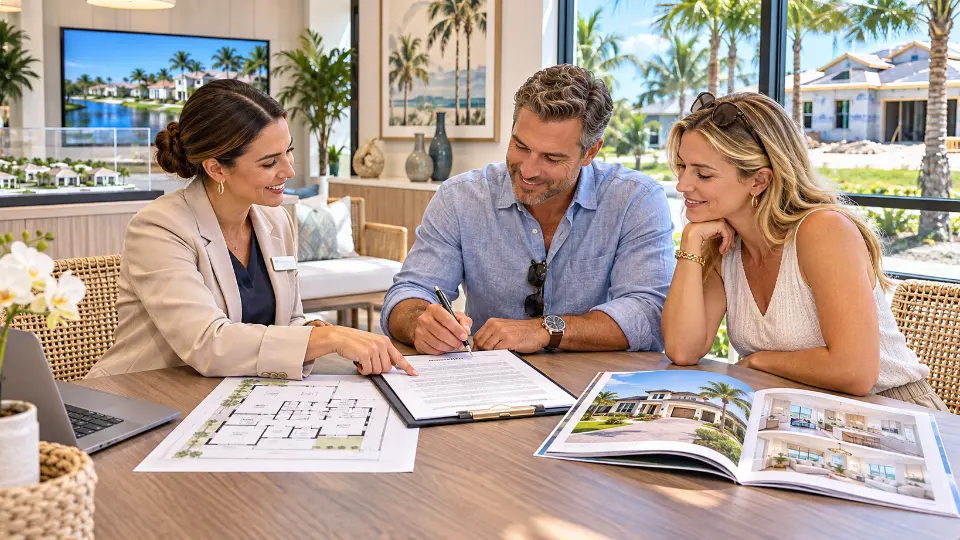
Before signing a builder contract for a new construction home in Florida, understand exactly what you are buying, how much money becomes nonrefundable, what happens if construction is delayed, which financing conditions apply, when you can inspect the home, and what rights and obligations continue through closing. Builder purchase agreements can differ substantially from contracts commonly used for resale homes. They may give the builder specific rights involving construction schedules, material substitutions, financing, inspections, closing dates and buyer default. Because the agreement creates legal obligations, buyers should consider having a qualified Florida real estate attorney review the actual contract before signing.
Buying new construction can offer modern floor plans, current building standards, new systems and opportunities to select finishes, but the contract deserves as much attention as the home itself. Hunt Brothers Realty's guide to buying new construction in Florida provides a broader overview of the process.
Quick Answers About Signing a Builder Contract
Are Builder Contracts Different From Resale Contracts?
They can be substantially different. Builders frequently use purchase agreements prepared specifically for their projects rather than the contract forms buyers may encounter in resale transactions. The builder's agreement can contain different provisions for deposits, delays, inspections, financing, closing, warranties and default.
Should an Attorney Review a Builder Contract Before I Sign?
Legal review is worth considering because a builder contract creates binding rights and obligations. The Florida Bar recommends consulting an experienced Florida-licensed real estate attorney before signing a home purchase contract, particularly when the buyer needs advice about deposits, cancellation rights, delays, default, warranties or other legal provisions.
Can I Cancel a Builder Contract After Signing It?
Do not assume you can. Florida does not provide a universal three-day cooling-off period for every contract. Whether a buyer can cancel a particular new-construction agreement, and what happens to deposits, depends on the contract and applicable law, so those questions should be reviewed with a qualified Florida real estate attorney.
Are Builder Deposits Always Refundable?
No. Builder contracts can require an initial deposit plus additional deposits for construction or design selections, and refundability depends on the agreement and circumstances. Understand each deposit deadline and what can put those funds at risk before paying them.
Can the Builder Change Materials or Finishes?
Some builder agreements permit substitutions or changes under specified circumstances. Buyers should understand the contract language governing plans, specifications, materials, colors, fixtures and substitutions, particularly when a specific feature is important to the purchase decision.
Should I Inspect a Brand-New House?
Independent inspections are worth considering even when nobody has lived in the home. Buyers should determine what inspections the contract permits, when they can occur, how findings must be reported and what obligations the builder has to address qualifying items.
Should I Use the Builder's Preferred Lender?
A preferred lender may offer incentives, but buyers should compare the entire financing package rather than the incentive alone. Compare the interest rate, APR, points, lender fees, closing costs, loan terms and cash required to close with other available financing, then review the options with a qualified mortgage professional.
1. Understand That the Builder's Contract May Be Written Differently
One of the biggest mistakes a new-construction buyer can make is assuming a builder contract works like a familiar resale contract.
Builders may use proprietary purchase agreements drafted for their communities and construction processes. These documents can allocate risks and responsibilities differently from standard resale forms.
A builder contract may contain detailed provisions involving:
- Initial and additional deposits
- Construction schedules
- Permitted construction delays
- Changes to plans and specifications
- Material substitutions
- Design-selection deadlines
- Financing requirements
- Inspection access
- Closing procedures
- Warranty claims
- Buyer and builder default
- Dispute-resolution procedures
Read the complete agreement and all incorporated exhibits, addenda, specifications and community documents. Questions about what the contract legally means should be directed to a qualified Florida real estate attorney.
2. Confirm the Exact Home, Homesite and Price
The model-home price, advertised base price and final contract price may represent very different numbers.
Before signing, confirm in writing:
- The exact homesite or property being purchased
- The floor plan and elevation
- The base home price
- Any homesite or lot premium
- Structural options
- Design-center selections and upgrades
- Builder credits or incentives
- Any additional charges already known
If the homesite location influenced your decision, verify what surrounds it. A premium lake, preserve or open-space setting should be evaluated against recorded plats, current development plans and other available information rather than relying only on a sales illustration.
Hunt Brothers Realty's Florida new-construction buyer guide explains why buyers should compare the completed price, not simply the advertised starting price.
3. Know Exactly What the Model Home Includes
Model homes are designed to demonstrate a builder's available products and options. Features you see in the model may be upgrades rather than standard features included in the advertised home price.
Ask for a written specification or included-features list covering items such as:
- Flooring
- Countertops
- Cabinetry
- Appliances
- Lighting
- Plumbing fixtures
- Windows and doors
- Ceiling treatments
- Outdoor kitchens
- Pools and spas
- Screen enclosures
- Landscaping
- Smart-home equipment
If a feature materially affects your decision, confirm whether it is included in the signed documents rather than relying solely on what appears in the model.
4. Understand Every Deposit Before You Pay It
Builder deposits can represent substantial money, and buyers should not assume every deposit remains refundable until closing.
Before signing, identify:
- The initial deposit
- Additional construction deposits
- Design-center or upgrade deposits
- When each payment is due
- Where deposits are held
- When deposits become nonrefundable, if applicable
- What happens to deposits if financing fails
- What happens to deposits if construction is delayed
- What happens if the buyer defaults
- What happens if the builder does not perform
The Florida Bar specifically identifies payments, deposit risk and contractual obligations as matters buyers should understand before signing a purchase agreement. The legal consequences of cancellation or default depend on the particular contract, so obtain legal advice when those provisions are unclear.
5. Do Not Assume There Is a Three-Day Cancellation Period
A buyer should not sign a builder contract believing there is automatically a three-day period to change their mind.
The Florida Bar explains that there is no general automatic right to cancel every legally binding contract after acceptance. Certain transactions can have statutory or contractual cancellation rights, but those rights depend on the circumstances and applicable documents.
If cancellation rights are important to you, have a qualified Florida real estate attorney identify what rights actually apply before you sign or attempt to cancel.
6. Read the Construction Timeline and Delay Provisions Carefully
A sales representative may provide an estimated completion month, but the contract determines the parties' legal obligations regarding construction and closing.
Review provisions addressing:
- Estimated construction commencement
- Estimated completion
- How the closing date is established
- Permitted builder extensions
- Weather delays
- Labor or material shortages
- Government or permitting delays
- Utility delays
- Other events that can extend performance
- What notice the builder must provide
- What rights, if any, arise after an extended delay
If your current lease, home sale, relocation, mortgage rate lock or temporary housing depends on a specific date, discuss that timing with the appropriate professionals before relying on an estimated completion date.
7. Understand the Builder's Right to Make Substitutions
Construction can involve product availability, engineering requirements and other changes. Builder contracts may address circumstances in which materials, fixtures, products or specifications can be substituted.
Review how the contract defines an acceptable substitution and whether buyer approval is required. This can matter when a particular flooring product, appliance, window, cabinet, roofing material or other component influenced the decision to purchase.
Questions about whether a substitution complies with the contract require legal interpretation. Questions about whether the substituted product is technically comparable may require input from an appropriate construction professional.
8. Know Your Design Selection and Change-Order Deadlines
A to-be-built home may involve a series of deadlines for structural options, electrical choices, cabinets, flooring, countertops, fixtures and other selections.
Ask the builder:
- Which selections are still available?
- When does each selection become final?
- How are upgrades priced?
- When are upgrade payments due?
- Can selections be changed later?
- What change-order fees apply?
- Can a change extend construction?
Keep signed copies of selection sheets and approved change orders. Verbal discussions should not be assumed to modify the written contract.
9. Understand the Financing Contingency, If There Is One
Do not assume a builder contract provides the same financing protection you may have seen in a resale transaction.
Before signing, ask your lender and attorney to help you understand questions such as:
- Is the purchase contingent on financing?
- What loan amount or terms are required?
- What application deadlines apply?
- Does the builder require a loan commitment by a certain date?
- What happens if the appraisal is below the purchase price?
- What happens if interest rates rise?
- What happens if the lender ultimately declines the loan?
- Could deposits be at risk?
Financing provisions can have significant legal and financial consequences. Have the lender evaluate loan qualification and a qualified Florida real estate attorney explain the contractual consequences of financing problems.
10. Compare Builder Incentives With the Full Cost of the Loan
Builders sometimes offer closing-cost credits, rate promotions, upgrade allowances or other incentives, particularly when buyers use an affiliated or preferred lender or closing provider.
An incentive can be valuable, but its advertised amount does not by itself establish that the financing package is the least expensive option.
Compare:
- Interest rate
- APR
- Discount points
- Origination and lender fees
- Mortgage insurance when applicable
- Closing costs
- Cash required at closing
- How long any temporary or permanent rate reduction lasts
- Conditions required to receive the incentive
Have a qualified mortgage professional compare the actual loan options and disclosures for your circumstances.
11. Confirm Your Right to Independent Inspections
A municipal inspection and an independent buyer inspection serve different purposes, so buyers should understand what private inspection access their contract permits.
Depending on the construction stage and contract, buyers may want to discuss opportunities for:
- Pre-drywall inspection
- Final home inspection
- Pool or specialty inspections when applicable
- Wind-mitigation documentation
- Four-point or other insurance-related documentation when relevant
- A follow-up inspection when appropriate
The contract may establish when inspectors can enter the property, required notice, insurance requirements and procedures for submitting findings. Review these provisions before signing rather than waiting until construction is nearly complete.
Inspection findings should be evaluated with the appropriate licensed inspector, contractor, engineer or other qualified professional before the buyer makes a decision.
12. Read the Builder Warranty Before Closing
Do not rely on a general statement that the home "comes with a warranty." Ask for the actual warranty documents and understand what they say.
Important questions can include:
- What components are covered?
- How long does each type of coverage last?
- When does coverage begin?
- What exclusions apply?
- How must a warranty claim be submitted?
- What maintenance is required from the homeowner?
- Are manufacturer warranties transferred separately?
- What dispute-resolution process applies?
Questions about legal warranty rights, exclusions or remedies should be reviewed with a qualified attorney. Technical questions about an observed construction condition may require an inspector, engineer, contractor or other qualified construction professional.
13. Verify HOA and CDD Costs Separately
Many Florida new-construction communities have a homeowners association, a Community Development District, or both. These are not interchangeable costs.
HOA assessments generally fund association responsibilities and community operations under the governing documents. A CDD is a governmental special district, and applicable assessments may appear as non-ad valorem charges on the property tax bill.
Before signing, determine whether the property has:
- Master HOA assessments
- Neighborhood or sub-association assessments
- Condominium assessments, if applicable
- CDD debt assessments
- CDD operations and maintenance assessments
- Amenity or club charges
- Other recurring community fees
Amounts and obligations can change. Obtain current property-specific information and review the governing documents and applicable public records before making a purchasing decision.
14. Do Not Estimate Future Property Taxes From the Builder's Current Tax Bill
A vacant homesite or partially completed property may have a tax history that bears little resemblance to the taxes on the completed home after ownership and assessment changes.
Ask the appropriate county property appraiser about valuation methodology and use a realistic completed-home value when estimating future taxes. Also identify applicable non-ad valorem assessments, including CDD charges where relevant.
Tax consequences and exemptions depend on the property and owner. Buyers should verify property-specific estimates with the county property appraiser and consult a qualified tax professional regarding their individual circumstances.
15. Obtain Insurance Information Before You Become Committed
A newly constructed home may incorporate current building standards and features that can affect insurance underwriting, but buyers should not assume that new construction automatically means inexpensive or readily available coverage.
Property-specific insurance considerations can include:
- Location
- Flood-zone designation
- Elevation
- Distance from coastal exposures
- Construction type
- Roof and opening-protection features
- Replacement cost
- Deductibles and coverage selections
Insurance availability, coverage and premiums can vary substantially by property. Buyers should obtain property-specific quotes and review coverage with a qualified insurance professional before making a purchasing decision.
16. Find Out What Happens if the Appraisal Is Low
Upgrades, homesite premiums and design selections can increase a new home's contract price. That does not guarantee the lender's appraisal will equal the final purchase price.
Before committing to significant upgrades, understand how the contract treats an appraisal below the purchase price and whether the buyer has any contractual protection in that situation.
Discuss the financing impact of a low appraisal with your mortgage professional. Questions about cancellation rights, deposits or contractual obligations following a low appraisal should be reviewed with a qualified Florida real estate attorney.
17. Review What Must Be Finished Before Closing
A buyer may identify incomplete work or correction items during a final walkthrough or inspection. The contract and warranty documents can determine how those items are handled.
Ask before signing:
- What condition must the home be in at closing?
- How are walkthrough items documented?
- Which items must be corrected before closing?
- Can certain work be completed after closing?
- How are post-closing items tracked?
- Who is the buyer's warranty contact after closing?
Do not assume that discovering an unfinished item automatically gives the buyer the right to delay closing. The applicable contract should be reviewed for the parties' actual rights and obligations.
18. Understand Default, Remedies and Dispute Resolution
These sections can be easy to overlook when the focus is on floor plans and finishes, but they can become some of the most important provisions if a disagreement develops.
Builder contracts may address subjects such as:
- Buyer default
- Builder default
- Deposit forfeiture
- Limitations on damages or remedies
- Attorney's fees
- Mediation
- Arbitration
- Venue or jurisdiction
- Waivers or limitations of particular rights
The Florida Bar specifically cautions that contract provisions involving default, damages, attorney's fees, venue and alternative dispute resolution can significantly affect a party's rights. A qualified attorney should explain these provisions before the buyer signs if their meaning or consequences are unclear.
19. Research the Builder, Not Just the Model Home
A furnished model demonstrates design possibilities, but it does not tell you everything about the builder's construction process, warranty service or history.
Before signing, buyers can investigate:
- Florida contractor licensing
- Experience building the type of home being purchased
- Completed communities and projects
- Construction communication procedures
- Warranty-service procedures
- How inspection and punch-list items are handled
Florida contractor licenses can be checked through the Florida Department of Business and Professional Regulation. Licensing is one part of due diligence and should not be treated as a guarantee of construction quality or future performance.
20. Understand the Real Estate Agent's Role and the Builder Representative's Role
The sales representative at a builder's model center is part of the builder's sales process. Buyers should understand who represents whom in the transaction and what brokerage relationships apply.
A real estate professional working with the buyer can provide market context, help compare builders and resale alternatives, coordinate transaction details, monitor deadlines and identify questions that deserve further investigation. A real estate agent does not replace an attorney for legal interpretation, a lender for mortgage advice, an inspector or engineer for construction analysis, or an insurance professional for coverage advice.
Read Hunt Brothers Realty's guide to using a real estate agent when buying new construction for more information about the buyer-side role.
Questions to Ask Before Signing a Florida Builder Contract
Before committing to a new home, get clear answers to these questions:
- What is the complete price including the lot premium and selected upgrades?
- Which model-home features are actually included?
- What deposits are required and when are they refundable or nonrefundable?
- What happens if I cannot obtain financing?
- What happens if the appraisal is below the contract price?
- What is the estimated completion timeframe?
- What circumstances allow the builder to extend construction?
- Can the builder substitute materials or alter specifications?
- What independent inspections are permitted?
- What builder warranty applies?
- What HOA, condominium, CDD, club or other community charges apply?
- What amenities are completed, under construction or planned?
- What builder incentives are available?
- Do incentives require using an affiliated lender or provider?
- What happens to unfinished items identified before closing?
- What are the consequences if the buyer defaults?
- What dispute-resolution provisions apply?
- What additional phases or development are planned nearby?
Frequently Asked Questions About Builder Contracts
Can I Negotiate a Builder Contract?
Some builders negotiate certain prices, incentives, upgrades or other terms, while others maintain more standardized policies. Negotiability can vary by builder, community, home, inventory level and market conditions. A real estate professional can provide market context, while legal changes to contract language should be handled with appropriate legal guidance.
Should I Sign the Contract at My First Model-Home Visit?
A builder may have legitimate pricing or inventory deadlines, but buyers should understand the agreement before signing it. If important provisions remain unclear, obtain the appropriate legal, financing, insurance or construction guidance before becoming contractually obligated.
Can a Builder Require Me to Close With Unfinished Items?
The answer depends on the contract, the nature of the unfinished work and other applicable requirements. Do not assume that every punch-list item automatically allows closing to be postponed. Have the contract and specific circumstances reviewed by the appropriate professionals.
Can I Hire My Own Home Inspector?
Many buyers arrange independent inspections of new homes, but access and timing can be governed by the builder contract. Confirm inspection rights before signing and use appropriately qualified professionals for the work being evaluated.
Is a Quick Move-In Contract Different From a To-Be-Built Contract?
It can be. A quick move-in home may already have most structural and design choices completed, while a to-be-built home can involve more selections, deposits and construction uncertainty. Hunt Brothers Realty's quick move-in versus to-be-built home guide explains the practical differences.
Does a Builder Warranty Replace a Home Inspection?
No. A warranty establishes whatever coverage and claim procedures its terms provide, while an inspection evaluates the home's observable condition at a particular point in time. Buyers should review both inspection opportunities and warranty coverage rather than treating one as a substitute for the other.
Is New Construction Always More Expensive Than Resale?
Not necessarily. The meaningful comparison is the total cost and value of the specific homes being considered, including purchase price, upgrades, financing, HOA or CDD costs, insurance, taxes, expected maintenance and included features. Hunt Brothers Realty's new construction versus resale guide provides a broader comparison.
Read the Contract Before Falling in Love With the House
New construction can be appealing because buyers may be choosing a brand-new home, contemporary finishes and a community designed around current lifestyles. The excitement of selecting a floor plan or homesite should not overshadow the financial and contractual commitment being made.
Before signing, understand the final price, deposits, financing requirements, completion provisions, inspection rights, warranty process, community costs and consequences of default. Just as importantly, identify which questions require a real estate professional, lender, attorney, inspector, insurance professional, tax professional or other specialist.
If you are comparing Florida new homes, start with Hunt Brothers Realty's new construction buyer guide, review Hunt Brothers Realty listings, explore Florida Gulf Coast communities, or contact Hunt Brothers Realty for help comparing the real estate considerations of new-construction opportunities.
Informational notice: This article provides general real estate and new-construction information and is not individualized legal, financial, tax, insurance, lending, inspection, engineering, construction, title or association advice. Builder contracts and community documents vary substantially. Buyers should have a qualified Florida real estate attorney review legal questions involving contract terms, deposits, cancellation, default, delays, warranties, dispute resolution or other rights and obligations. Financing should be reviewed with a qualified mortgage professional, insurance with a qualified insurance professional, tax matters with the appropriate property appraiser and tax professional, and construction or inspection findings with the appropriate licensed inspector, contractor, engineer or other qualified professional.
Sources
- The Florida Bar, Buying a Home
- The Florida Bar, Legal and Binding Contracts
- The Florida Bar, Building or Remodeling a Home in Florida
- The Florida Bar, How to Safeguard Against Fraud When You Buy Property
- Florida Realtors, Florida Real Estate Disclosure Laws
- Florida Department of Business and Professional Regulation
- Hunt Brothers Realty, Buying New Construction in Florida
- Hunt Brothers Realty, Is New Construction Worth It in Florida?
- Hunt Brothers Realty, Quick Move-In vs. To-Be-Built Homes in Florida
- Hunt Brothers Realty, New Construction vs. Resale Homes in Florida
- Hunt Brothers Realty, Should You Use a Real Estate Agent for New Construction?
Hunt Brothers Realty
46 N. Washington Blvd, Ste 3, Sarasota, FL 34236
Phone: (941) 388-7017
Email: info@huntbrothersrealty.com
Website: HuntBrothersRealty.com
Categories
- All Blogs 2441
- Anna Maria Island 87
- Bird Key 4
- Bradenton 238
- Buying a Home 1479
- Casey Key 2
- Clearwater 14
- Condos & HOA Living 1402
- Ellenton 6
- Englewood 13
- First Time Homebuyers 1594
- Foreclosures 5
- Home Selling 7
- Homeownership 1628
- Lakewood Ranch 28
- Lido Key 29
- Longboat Key 80
- Luxury/Waterfront Properties 1569
- Market Updates & Trends 1080
- Mortgages & Financing 71
- Move-Up Buyers 25
- Neighborhood Guides 1201
- New Construction 41
- Palmetto 4
- Parrish 8
- Port Charlotte 30
- Punta Gorda 164
- Real Estate Investing 1483
- Relocation to Florida 1516
- Safety Harbor 4
- Sarasota 101
- Sarasota - Downtown 168
- Selling a Home 146
- Siesta Key 92
- St. Petersburg 9
- Taxes and Homestead 1
- Tierra Verde 7
- Vacation & Second Homes 1676
- Venice 212
- Wellen Park 22
Recent Posts