Should You Buy Turnkey or Furnish Your Florida Home Yourself?
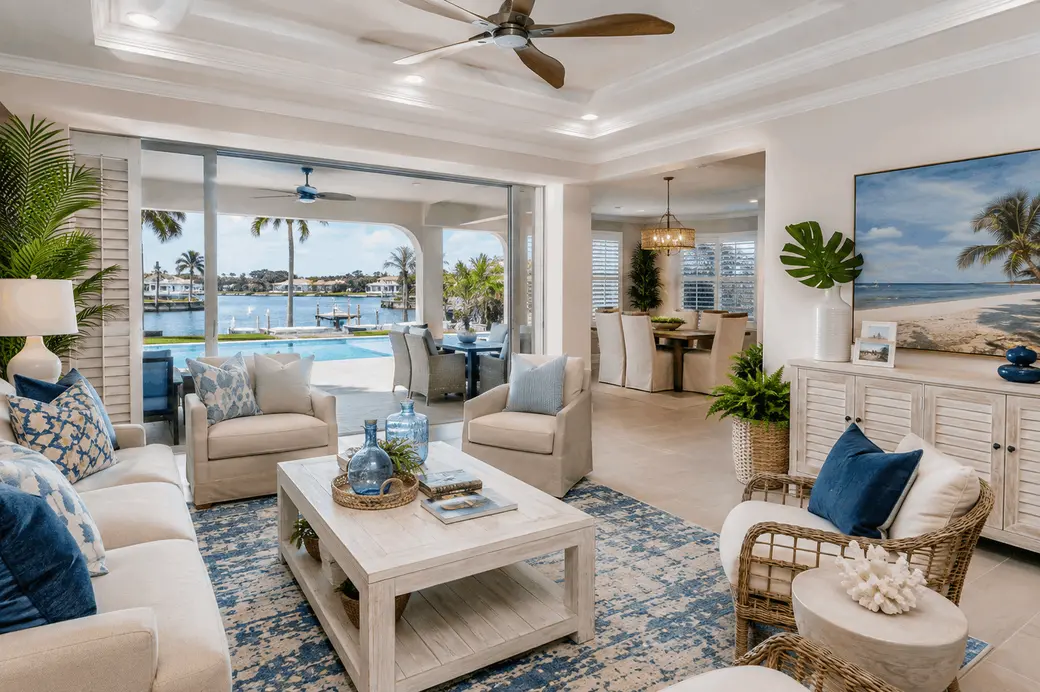
You find the Florida home you have been looking for. The pool is ready. The lanai overlooks the water. The kitchen is stocked, the bedrooms are furnished and even the patio furniture looks like it belongs in a magazine.
Then comes an important question: should you buy it furnished and essentially ready to use, or would you rather start with an empty home and furnish it yourself?
For buyers exploring Florida Gulf Coast real estate with Hunt Brothers Realty, there is no universally better choice. A turnkey home can save considerable time and make second-home ownership easier from day one. Furnishing a home yourself gives you greater control over design, quality and how every room functions. The better option depends on how quickly you want to use the property, how particular you are about interiors and exactly what is included in the transaction.
Quick Answer: Turnkey or Furnish It Yourself?
Buying turnkey may make more sense when: you want to begin using the home immediately, you are purchasing from another state, the existing furnishings fit your taste and intended use, or coordinating furniture delivery and installation would be inconvenient.
Furnishing it yourself may make more sense when: the home will be your primary residence, design and furniture quality are important to you, you already own furniture you want to bring to Florida, or you expect to remain in the property long enough to justify creating a highly personalized interior.
The most important point: do not pay a premium for the word “turnkey” without understanding precisely what is included and whether those items actually have value to you.
What Does “Turnkey” Actually Mean in Florida Real Estate?
Buyers should not assume that “turnkey,” “furnished” and “move-in ready” mean exactly the same thing.
In ordinary real estate marketing, a turnkey property generally suggests that a buyer can begin using the home with relatively little additional setup. But the actual contents included in a sale depend on the specific transaction and contract.
One seller might include sofas, beds, dining furniture and outdoor furniture but remove artwork, electronics and personal items. Another transaction may include substantially more. Certain pieces may also be specifically excluded even though they appear in listing photographs or during a showing.
The practical rule is simple: treat “turnkey” as a description that requires clarification, not as a substitute for a detailed written agreement. Questions about what legally conveys with a Florida property should be addressed through the transaction documents and, when necessary, reviewed with the appropriate real estate and legal professionals.
Why Turnkey Homes Appeal to Florida Buyers
Convenience is the strongest argument for buying furnished.
Imagine closing on a Florida second home on Friday and sleeping there that evening. You are not waiting for sofas, coordinating mattress deliveries or spending your first week assembling furniture. If the home is genuinely well equipped, much of the setup has already been completed.
That convenience can be especially valuable for buyers relocating from another state, seasonal residents and second-home owners who have limited time in Florida. Current Hunt Brothers Realty research on Sarasota luxury buyer preferences also identifies turnkey condition and move-in readiness as features receiving buyer attention.
The Real Benefit Is Time, Not Just Furniture
A furnished home is easy to evaluate as a collection of physical objects: sofa, dining table, beds, lamps and patio chairs. But the more significant value for some buyers is the time they do not have to spend creating the finished home.
Starting from an empty residence can involve selecting furniture, measuring rooms, coordinating deliveries, receiving installers, returning unsuitable pieces, arranging window treatments and furnishing outdoor areas. If you live hundreds or thousands of miles away, every delivery can become a scheduling problem.
A well-executed turnkey purchase can remove much of that work. Whether that convenience is worth paying for is a personal decision.
Why Furnishing the Home Yourself Can Be Better
The obvious advantage is control.
You choose the mattress. You choose the sofa depth. You determine whether the dining room seats six or ten. You can invest heavily in pieces that matter to you and spend less in rooms you rarely use.
This can be especially important in a primary residence. A beautifully staged interior may photograph well but still feel like someone else's home. Starting with an empty or partially furnished property gives you the opportunity to build the interior around your habits rather than adapting your habits to someone else's furniture.
Do Not Confuse Furnished With Updated
A home can look completely finished while still needing significant property improvements.
Attractive furniture can draw attention away from an aging roof, older HVAC equipment, dated electrical components, worn windows or deferred exterior maintenance. The fact that you can arrive with a suitcase does not mean the property itself is maintenance free.
Hunt Brothers Realty's comparison of older Florida homes and new construction explains why roof age, hurricane protection, insurance, flood exposure, HVAC, plumbing, electrical systems and renovation history can materially affect the ownership equation.
Evaluate the house first and the furniture second.
Turnkey Makes Particular Sense for Some Second-Home Buyers
Second-home buyers often have a different objective from full-time residents. They may not be trying to create a highly individualized interior. They may simply want a comfortable Florida residence that is ready whenever they arrive.
For that buyer, purchasing a home with appropriately scaled furniture, beds, outdoor seating and other useful contents can eliminate months of setup.
This can be particularly attractive with condominiums and beach-oriented residences where the buyer wants to begin enjoying the property immediately. For example, Hunt Brothers Realty's guide to Sand Cay on Longboat Key notes that individual residences can include furnishings and substantially different levels of renovation, reinforcing the need to evaluate each unit separately.
When Turnkey Becomes Less Attractive
Convenience loses much of its value if you dislike most of what is included.
If your first thought after closing will be to replace every sofa, mattress, rug and dining chair, you are not really buying convenience. You may be buying someone else's disposal project.
Removal has costs too. Large pieces have to be sold, donated, moved or discarded before replacement furniture arrives. A fully furnished property can therefore create additional work when the furnishings do not match your plans.
Evaluate the Furniture Like a Buyer, Not a Guest
A furnished showing creates an emotional experience. To evaluate the contents objectively, ask what you would actually purchase if the house were empty.
- Is the furniture comfortable?
- Is it appropriately scaled for the rooms?
- What condition is it in?
- Are mattresses included, and would you keep them?
- Does the dining setup fit how you entertain?
- Is the outdoor furniture suitable for Florida conditions?
- Are televisions and electronics included?
- Which artwork and decorative items are included?
- What specifically is excluded?
If most of the contents would remain in the home after you move in, the furnishing package has practical value. If most would immediately leave, that value is considerably lower to you.
Pay Special Attention to Outdoor Furniture
In Florida, furnishing the exterior can be nearly as important as furnishing the living room.
A pool area or covered lanai may need dining furniture, lounge chairs, seating, tables and other pieces before it functions as a true outdoor living area. A turnkey home with a well-planned lanai can therefore eliminate another major furnishing project.
Condition still matters. Sun, humidity, rain and coastal exposure can be hard on outdoor materials. Inspect frames, cushions, fasteners and finishes rather than assigning value based only on appearance.
For more on how exterior living areas affect the Florida ownership experience, read why covered outdoor space is valuable in Florida.
What Exactly Is Included in the Sale?
This is where a casual understanding needs to become specific.
If furnishings matter to your offer, identify the items that are important to you and make sure the transaction documents accurately reflect the parties' agreement. Do not assume an item is included simply because it was in the property during the showing or appears in marketing photographs.
Depending on the transaction, buyers may want clarity regarding furniture, artwork, televisions, electronics, patio furniture, grills, kitchen contents, linens, decorative accessories and other movable items.
Contract rights and the proper treatment of personal property are transaction specific. Buyers should review the written terms with their licensed real estate professional and consult a qualified Florida real estate attorney or appropriate closing professional when legal questions arise.
Furniture and the Home Are Not Necessarily the Same Type of Property
A furnished real estate transaction can involve both the residence and movable personal property. The Florida Department of Revenue generally describes tangible personal property as goods and other articles of value capable of physical possession, while real estate is treated separately.
That distinction can matter when a transaction assigns value to furnishings or when the property will be used in a business or rental context. Florida also has sales and use tax rules governing taxable tangible goods and certain uses of personal property.
Buyers should not determine tax treatment from a general real estate article. If furnishings have meaningful value, the property will generate rental income or the transaction raises tax questions, have the structure and tax consequences reviewed by the appropriate closing professional, Florida real estate attorney and qualified tax professional or CPA.
What If You Are Financing the Purchase?
If you are obtaining a mortgage, discuss a furnished transaction with your lender early rather than assuming the financing treats furniture the same way it treats the real property.
The lender, appraiser and closing professionals may need to understand how personal property is addressed in the transaction. Requirements can depend on the loan and circumstances, so buyers should obtain property-specific guidance from their mortgage professional before structuring an offer around a significant furnishing package.
Insurance Is Another Reason to Create an Inventory
If you acquire a home with substantial furnishings, consider documenting what you received. Photographs, an inventory and available receipts or other records can help establish what is in the residence.
Insurance coverage for contents, limits and exclusions depends on the policy and property use. A second home, primary residence and rental property can present different insurance considerations. Buyers should review property-specific coverage needs with a qualified insurance professional rather than assuming the seller's arrangements will apply after closing.
Turnkey Can Be Useful for a Vacation or Rental Property, but Verify the Details
A property intended for lawful short-term or seasonal rental use may benefit from being furnished because the buyer does not have to create the entire guest setup after closing.
However, buying an existing furniture package does not establish that a property may legally be rented, that an existing rental arrangement transfers to the buyer or that historical rental performance will continue.
Rental rules can depend on the municipality, condominium or homeowners association and the individual property. If rental income is part of your purchasing decision, verify permitted use, association restrictions, licensing, taxes, insurance, management costs and other requirements with the applicable authorities and qualified legal, tax, insurance and property-management professionals.
Should You Pay More for a Turnkey Home?
Possibly, but the amount should not be determined simply by adding up what the furniture originally cost.
Furniture is used once it has been living in the home, and its practical value to one buyer can differ dramatically from its value to another. A professionally coordinated interior may be highly valuable to someone seeking immediate occupancy but much less valuable to a buyer planning a complete redesign.
Start by determining whether the underlying real estate makes sense based on relevant comparable properties, location and condition. Then evaluate what the included furnishings are worth to you. A licensed real estate professional can help evaluate the real estate component against current market competition, while valuation, tax, lending or legal questions involving personal property should be addressed by the appropriate qualified professionals.
Turnkey Versus Furnishing Yourself: A Practical Comparison
| Consideration | Buy Turnkey | Furnish It Yourself |
|---|---|---|
| Move-in speed | Potentially immediate | Requires setup time |
| Personalization | Limited initially | High |
| Delivery coordination | Minimal if contents are complete | Can be substantial |
| Furniture quality control | You inherit existing choices | You select every piece |
| Second-home convenience | Potentially excellent | Requires more coordination |
| Primary-home personalization | May require gradual replacement | Often better suited to personal preferences |
| Contract detail | Requires clarity about inclusions and exclusions | Generally fewer furnishing issues |
A Better Strategy May Be Partially Furnished
The choice does not always have to be all or nothing.
Sometimes the best solution is keeping the pieces that fit the home particularly well and replacing the rest over time. A dining table sized perfectly for an unusual room, outdoor furniture selected for the lanai or guest-bedroom furniture may be worth retaining even if you want to redesign the primary living areas.
That approach can preserve much of the convenience of a furnished purchase while still allowing you to make the home your own.
Questions to Ask Before Buying a Furnished Florida Home
- Exactly which furnishings are included?
- Which items are specifically excluded?
- Will there be a written inventory?
- Are artwork and decorative items included?
- Are televisions and electronics included?
- What outdoor furniture remains?
- What condition are the major pieces in?
- Would you actually keep most of the contents?
- Is any value being assigned separately to personal property?
- Does your lender need to review how personal property is handled?
- Are there tax implications that require professional review?
- Does your insurance professional need an inventory or valuation of contents?
- If the property will be rented, are the contents appropriate for that use?
Who Should Strongly Consider Turnkey?
A turnkey purchase may be especially appealing if you are:
- Buying a Florida second home
- Relocating from another state
- Purchasing a condominium that is already well furnished
- Trying to minimize setup time
- Comfortable with the existing interior style
- Interested in keeping most of the existing contents
Who May Be Better Off Furnishing the Home Themselves?
Starting fresh may be more attractive if you:
- Plan to make Florida your primary residence
- Already own furniture you want to move
- Have strong design preferences
- Want control over furniture quality
- Have specific accessibility or ergonomic needs
- Expect to replace most existing furnishings anyway
The Bottom Line: Buy the Lifestyle That Works for You
Buying turnkey is ultimately a purchase of convenience as much as furniture.
For a seasonal buyer who loves the existing interior and wants to arrive with a suitcase, that convenience can be extremely useful. For a full-time owner who cares deeply about design, comfort and personalization, starting fresh may create a better long-term result.
The key is to separate three decisions: whether the real estate itself is a good fit, whether the furnishings have genuine value to you and whether the transaction documents properly describe what you are buying.
Explore Florida Homes With Hunt Brothers Realty
Hunt Brothers Realty helps buyers compare Florida Gulf Coast properties based on location, lifestyle, condition and the characteristics that matter to the individual purchase. Whether you are looking for a turnkey second home, luxury condominium, waterfront residence or a property you can personalize from the ground up, the goal is to find the home that works for the way you intend to live.
Explore Florida Gulf Coast communities, review questions to ask before buying a home near the coast, or contact Hunt Brothers Realty to discuss the type of Florida property you are looking for.
Informational notice: This article provides general real estate and educational information and is not individualized legal, financial, tax, insurance, lending, appraisal, property-management or other professional advice. The treatment of furnishings and other personal property can depend on the contract, financing, property use and circumstances of the transaction. Buyers should review property-specific questions with their licensed real estate professional and the appropriate Florida real estate attorney, lender, tax professional or CPA, insurance professional, appraiser, title or closing professional, or other qualified specialist before making a purchasing decision.
Sources
- Hunt Brothers Realty, What Buyers Value Most in 2026: West of Trail Luxury Homes Guide
- Hunt Brothers Realty, Early 2026 Sarasota & Manatee County Housing Trends Gulf Coast Buyers Should Know
- Hunt Brothers Realty, Older Florida Home vs. New Construction
- Hunt Brothers Realty, Questions to Ask Before Buying a Home Near the Coast
- Florida Department of Revenue, Tangible Personal Property
- Florida Department of Revenue, Florida Sales and Use Tax
Contact Hunt Brothers Realty
46 N. Washington Blvd, Ste 3, Sarasota, FL 34236
Phone: (941) 388-7017
Email: info@huntbrothersrealty.com
Website: HuntBrothersRealty.com
Categories
- All Blogs 1950
- Anna Maria Island 83
- Bird Key 4
- Bradenton 234
- Buying a Home 1020
- Casey Key 2
- Clearwater 9
- Condos & HOA Living 931
- Ellenton 5
- Englewood 9
- First Time Homebuyers 1124
- Foreclosures 3
- Home Selling 1
- Homeownership 1144
- Lakewood Ranch 20
- Lido Key 27
- Longboat Key 78
- Luxury/Waterfront Properties 1085
- Market Updates & Trends 614
- Mortgages & Financing 42
- Move-Up Buyers 20
- Neighborhood Guides 737
- New Construction 32
- Palmetto 3
- Parrish 6
- Port Charlotte 10
- Punta Gorda 15
- Real Estate Investing 1002
- Relocation to Florida 1046
- Safety Harbor 2
- Sarasota 71
- Sarasota - Downtown 157
- Selling a Home 143
- Siesta Key 89
- St. Petersburg 6
- Tierra Verde 5
- Vacation & Second Homes 1193
- Venice 96
- Wellen Park 10
Recent Posts