Charlotte Harbor: Waterfront Living and the Southwest Florida Lifestyle
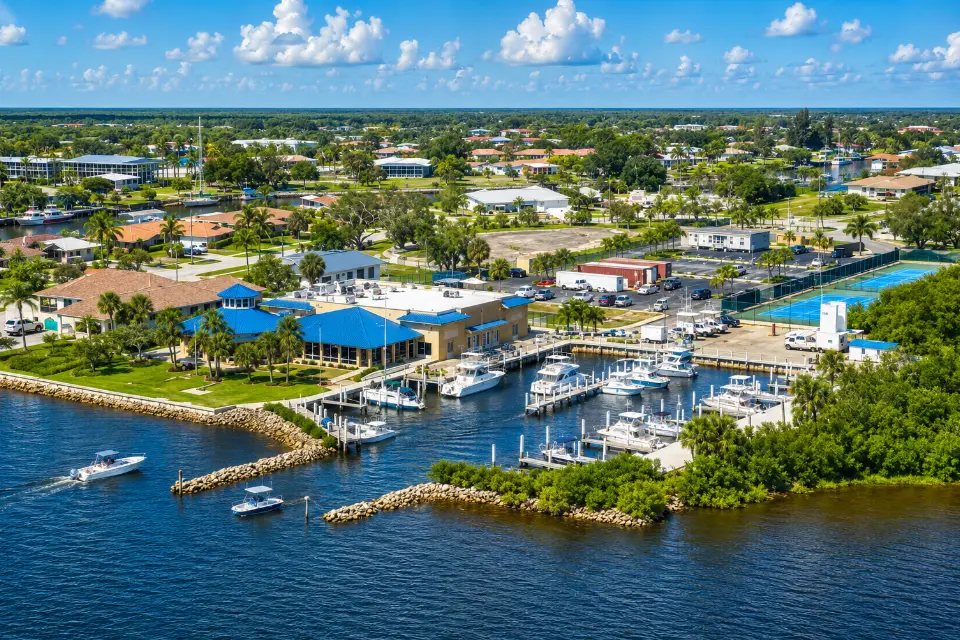
Charlotte Harbor waterfront living can mean a direct-harbor condominium with expansive views, a Punta Gorda canal home with a private dock, a riverfront residence along the Peace or Myakka River, or a home near one of Southwest Florida's marina and boating communities. The harbor is a major estuary connected to the Gulf through Boca Grande Pass, and water shapes much of the surrounding lifestyle. Boating, fishing, paddling, waterfront parks and protected natural shoreline are part of the region, but waterfront properties vary substantially. Dock rights, bridges, water depth, seawalls, flood exposure, insurance and boating routes should always be evaluated property by property.
For buyers, the first step is understanding that "Charlotte Harbor waterfront" is not one type of real estate. Punta Gorda Isles, Burnt Store Marina, Port Charlotte, Gulf Cove and South Gulf Cove each provide a different relationship with the water.
Quick Answers About Charlotte Harbor Waterfront Living
Where Is Charlotte Harbor?
Charlotte Harbor is a large estuary on Florida's Southwest Gulf Coast, primarily within Charlotte County and extending toward Lee County. The Peace and Myakka rivers feed the harbor, and Boca Grande Pass provides its major connection with the Gulf.
Is Charlotte Harbor the Same as the Charlotte Harbor Community?
No. Charlotte Harbor usually refers to the large body of water and surrounding region, but Charlotte Harbor is also the name of an unincorporated waterfront community north of the Peace River. Buyers should distinguish the specific Charlotte Harbor community from the much broader Charlotte Harbor real estate market.
Where Can You Find Waterfront Homes Around Charlotte Harbor?
Waterfront choices extend through Punta Gorda, Punta Gorda Isles, Burnt Store Isles, Burnt Store Marina, Port Charlotte, Gulf Cove, South Gulf Cove and other river, canal and harbor locations. The type of waterfront and boating access differs significantly among these areas.
Can You Live Directly on Charlotte Harbor?
Yes. Direct harborfront condominiums and selected single-family properties provide open Charlotte Harbor views. Direct frontage should not be confused with private boat dockage, because some harborfront condominium communities emphasize views and waterfront recreation rather than individual slips.
Is Charlotte Harbor Good for Boating?
Boating is a major part of the Charlotte Harbor lifestyle, with residential canals, marinas and public boat ramps providing multiple ways to reach regional waterways. Individual boaters still need to evaluate water depth, bridges, tides, dock dimensions and the suitability of a particular route for their vessel.
Are There Waterfront Condos Around Charlotte Harbor?
Yes. Punta Gorda has a substantial selection of harborfront and canal-front condominium communities, ranging from established low-rise buildings to larger amenity-oriented developments. Buyers can explore current Punta Gorda waterfront condos for sale through Hunt Brothers Realty.
What Is the Outdoor Lifestyle Like Around Charlotte Harbor?
The region offers boating, fishing, kayaking, waterfront parks, walking paths and extensive protected natural shoreline. Charlotte Harbor Preserve State Park alone protects more than 45,000 acres and more than 100 miles of shoreline.
What Makes Charlotte Harbor Different?
Charlotte Harbor is an estuary rather than simply a bay surrounded by development. Freshwater from the Peace and Myakka rivers meets coastal water throughout a broad system of harbor, rivers, creeks, canals, mangrove shoreline and shallow flats.
The Coastal & Heartland National Estuary Partnership describes Charlotte Harbor as approximately 130 square miles and notes that much of the harbor is shallow. Deeper water extends into portions of the lower Peace and Myakka rivers, while extensive shallow shelves and seagrass habitat are important parts of the harbor ecosystem.
This geography helps explain why waterfront living around Charlotte Harbor can look so different from one property to another. A direct-harbor condo, a deep-water marina residence and a home several canals inland may all be marketed as Charlotte Harbor-area waterfront real estate, yet provide very different views and boating experiences.
What Types of Waterfront Real Estate Are Around Charlotte Harbor?
Buyers can encounter several distinct waterfront categories around Charlotte Harbor. Understanding the differences is more useful than simply searching for the word "waterfront."
Direct Charlotte Harbor Frontage
Direct harborfront properties emphasize broad water views, sunsets and immediate proximity to the harbor. Punta Gorda has several condominium communities positioned directly along Charlotte Harbor, including Points West and Jamaica Way.
An open-water view does not automatically mean a residence includes a private dock or slip. Harborfront buyers who need boat storage should investigate boating rights separately.
Saltwater Canal Homes
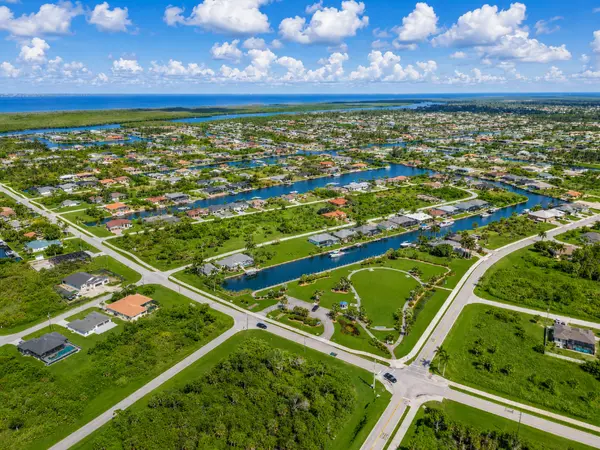
Canal homes can offer a different advantage: the ability to keep a boat directly behind the residence. Punta Gorda Isles is one of the region's primary examples, with an extensive saltwater canal network connected to Charlotte Harbor.
PGI contains both sailboat-access sections without fixed bridges and powerboat-access areas where bridge clearance can affect vessel suitability. A property's canal location can therefore be as important as the home itself.
Riverfront Homes
The Peace and Myakka rivers add another waterfront category. Selected Port Charlotte neighborhoods offer riverfront or canal properties connected to these rivers and ultimately to Charlotte Harbor.
For example, Gulf Cove includes canal-front homes with access to the Myakka River, while Lea Marie Island includes custom residences on canal and Peace River-oriented homesites.
Marina-Oriented Communities
Burnt Store Marina provides a different model. The gated community sits on the eastern shoreline of Charlotte Harbor and combines residential property with a separately operated deep-water marina, golf, dining and other recreational facilities.
Burnt Store Marina has a Punta Gorda mailing address but is physically in Lee County. Residential ownership does not automatically include a marina slip, golf privileges or every recreational amenity. Buyers should verify the arrangements and costs that apply to the specific residence.
What Is Punta Gorda Isles Like for Waterfront Buyers?
Punta Gorda Isles combines residential canal boating with convenient access to Punta Gorda's waterfront parks, Fishermen's Village and downtown destinations. The neighborhood includes single-family homes, vacant lots, condominiums and golf-oriented properties.
Waterfront homes range from established Florida residences to newer custom construction. Many have private docks and lifts, but the boating characteristics vary considerably.
Before buying a canal home, boaters should determine:
- Whether the route has fixed bridges
- Bridge clearance where applicable
- Water depth
- Distance and travel time to Charlotte Harbor
- Dock dimensions
- Boat-lift capacity and condition
- Vessel length, beam, draft and height compatibility
- Seawall condition and maintenance responsibilities
The Hunt Brothers Realty Punta Gorda Isles waterfront and boating guide provides additional context for comparing properties within the community.
What Is Burnt Store Isles Like?
Burnt Store Isles is another Punta Gorda waterfront community, located west of U.S. 41. It includes single-family homes along wide saltwater canals with boating access toward Charlotte Harbor through Alligator Creek.
Bridge clearance applies along the boating route, so buyers should not assume that every Burnt Store Isles canal property is suitable for a sailboat or tall vessel. The neighborhood also has a golf-oriented setting around Twin Isles Country Club, which is separately operated.
What Is Burnt Store Marina Like?
Burnt Store Marina combines Charlotte Harbor proximity with a marina-centered residential environment. The community occupies more than 600 acres and contains a mix of condominiums, villas, attached residences and single-family homes.
Its deep-water marina is separately operated and provides a major boating component, while the broader community also includes golf, fitness, racquet recreation and dining opportunities under separate operating and membership arrangements.
The community's Punta Gorda 33955 mailing address can create confusion. Burnt Store Marina is in Lee County, south of central Punta Gorda. Read the Hunt Brothers Realty Burnt Store Marina guide for a closer look at its boating, golf and waterfront setting.
What About Waterfront Living in Port Charlotte?
Port Charlotte expands the waterfront search beyond Punta Gorda. Buyers can find direct riverfront properties, canal homes and residences near public boat-launch facilities.
The boating route depends heavily on location. Some properties connect to the Peace River, others to the Myakka River, and communities farther southwest can use canal systems that eventually reach Charlotte Harbor.
This means two Port Charlotte homes described as "Gulf access" can have very different routes, bridges, locks, depths and travel times. Buyers should investigate the exact path from the property to the water they intend to use.
How Does South Gulf Cove Fit into the Charlotte Harbor Lifestyle?
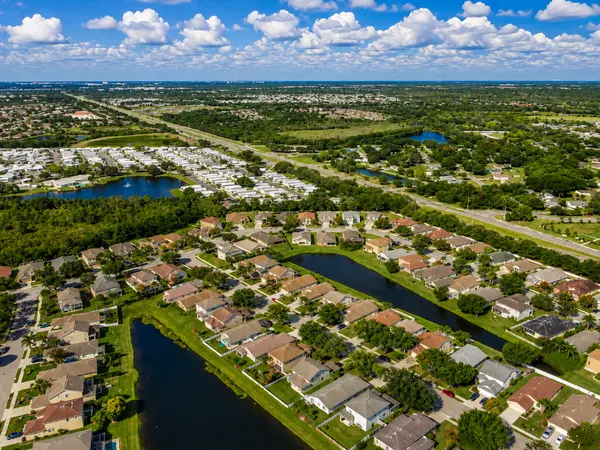
South Gulf Cove is a large deed-restricted community in southwest Port Charlotte with both waterfront and inland homes. Waterfront sections use a canal system that connects toward Charlotte Harbor through the South Gulf Cove lock system.
Many waterfront homes have private docks and lifts, but bridge clearance and route characteristics vary. South Gulf Cove should therefore be described as a canal-boating community with access toward Charlotte Harbor rather than a direct Charlotte Harbor waterfront neighborhood.
What Are Charlotte Harbor Waterfront Condos Like?
Waterfront condominium buyers have choices ranging from smaller established buildings to larger gated communities with extensive amenities. The most important distinction is often whether a property fronts Charlotte Harbor directly or sits on a navigable canal.
Direct-Harbor Condos
Direct-harbor communities can emphasize broad water views and sunsets. Points West, Jamaica Way and Solamar illustrate different versions of this waterfront lifestyle.
Buyers should verify whether a direct-harbor property provides a pier, kayak access, fishing facilities or actual boat dockage. Those features are not interchangeable.
Canal-Front Condos
Canal-front condominiums can be particularly relevant for buyers who prioritize keeping a boat near the residence. Dock rights can be deeded, assigned, limited common elements, first-come arrangements or separately managed depending on the association.
Never assume that seeing docks behind a condominium means the unit being purchased includes one. The declaration, title information, association records and unit-specific legal description should establish the actual rights.
Browse current Punta Gorda waterfront condos to compare harborfront, canal-front and marina-oriented options.
What Is Boating Like on Charlotte Harbor?
Charlotte Harbor provides a large regional boating environment connected with rivers, residential canals, bays, passes and the Gulf. Boca Grande Pass is the harbor's principal connection to the Gulf, while residential boaters enter the harbor through numerous local routes.
Charlotte County maintains public boat-launch opportunities in several areas, including Port Charlotte, Punta Gorda and Englewood-area locations. Current county resources list launches at Port Charlotte Beach Park, El Jobean, Placida Park, South Gulf Cove Park, Harbour Heights and other locations.
The harbor's size should not be mistaken for uniformly deep water. Official regional environmental information notes that much of Charlotte Harbor is shallow. Boaters should use current navigation resources and evaluate draft, tides and local conditions for their specific vessel and route.
What Should a Boater Check Before Buying Waterfront Property?
A waterfront property can look suitable from the backyard while still being wrong for a buyer's boat. Vessel compatibility should be part of due diligence before the purchase decision.
Important questions include:
- Is the property directly on the harbor, a river or a canal?
- Are there fixed bridges?
- What is the bridge clearance?
- What is the typical water depth?
- How long is the route to open harbor water?
- What are the dock dimensions?
- Does the property have a lift?
- What is the documented lift capacity?
- Who owns and maintains the dock, lift and seawall?
- Are association or local-government vessel restrictions applicable?
- Does the route fit the vessel's length, beam, draft and height?
Dock condition, lift capacity, water depth and vessel compatibility should be confirmed through current records and physical inspection. When these factors materially affect a purchase, buyers should consult the appropriate marine contractor, surveyor, engineer, local authority or other qualified professional.
What Is Charlotte Harbor Preserve State Park?
The protected landscape surrounding Charlotte Harbor is a major part of the region's character. Charlotte Harbor Preserve State Park protects more than 45,000 acres and more than 100 miles of shoreline in Charlotte and Lee counties.
The preserve includes mangrove forests, marshes, scrub and pine flatwoods. Florida State Parks identifies hiking, fishing, paddling, boating and wildlife observation among the available activities.
Much of the preserve is best explored by canoe or kayak. Its extensive undeveloped shoreline is one reason Charlotte Harbor can feel different from more intensely developed coastal destinations.
Where Can You Launch a Boat or Kayak?
Charlotte County provides numerous public boating and paddling access points around the region. Current county resources list boat ramps in Port Charlotte, Punta Gorda and Englewood-area locations.
Port Charlotte Beach Park provides harborfront recreation with a boat ramp, canoe and kayak launch, fishing, recreation facilities and waterfront amenities. Current county information notes that one boat ramp remains closed, so visitors should check facility status before arriving.
Harbour Heights Park offers a boat ramp, paddling access, fishing and multiple land-based recreational facilities. Placida, El Jobean, South Gulf Cove and other county facilities add additional access points.
What Is Fishing Like Around Charlotte Harbor?
Fishing is deeply connected with the Charlotte Harbor outdoor lifestyle. Anglers use boats, kayaks, shorelines and public fishing facilities throughout the harbor and surrounding waterways.
The harbor's mangroves, shallow flats, rivers and seagrass habitats support a diverse estuarine ecosystem. Fishing regulations, licensing requirements, seasons and harvest limits can change, so anglers should consult current Florida Fish and Wildlife Conservation Commission requirements before fishing.
Charlotte County currently reports that several public fishing piers are undergoing restoration following hurricane damage. Facility status should be checked with the county before planning a visit.
What Is the Punta Gorda Waterfront Lifestyle Like?
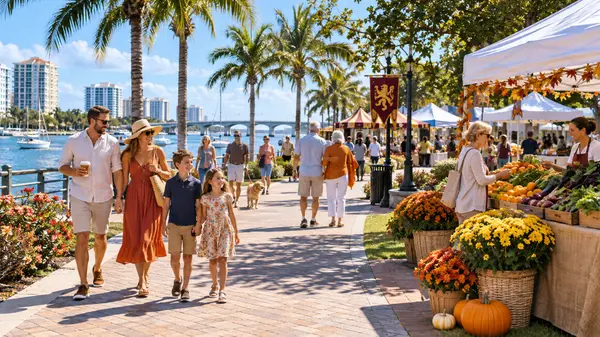
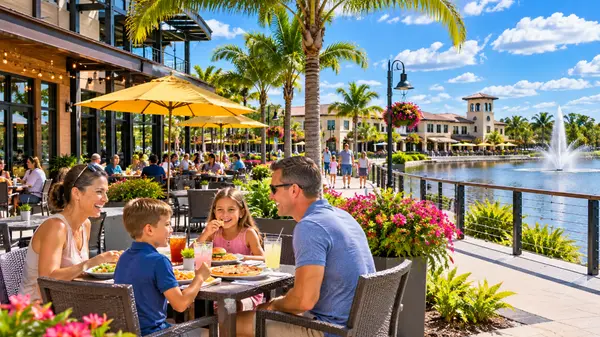
Punta Gorda gives Charlotte Harbor residents access to waterfront parks, walking and cycling routes, restaurants, boating facilities and downtown destinations in a relatively compact area.
Fishermen's Village is one of the city's recognizable waterfront destinations, while the Harborwalk and connected parks provide opportunities to experience the shoreline without owning waterfront property.
This creates an important distinction for homebuyers. Someone can participate in much of the Charlotte Harbor lifestyle while living on a canal, golf course or inland homesite. Paying a premium for direct waterfront should therefore reflect how much a buyer actually values the view, private dockage or immediate water access.
What Should Buyers Know About Flood Risk?
Flood exposure is a property-specific consideration throughout coastal Southwest Florida. Direct harborfront, riverfront and canal-front properties can have different elevations, flood-zone designations and mitigation features even when they are geographically close.
Buyers should obtain current flood-zone information, elevation documentation when available, permit history and insurance information for the individual property. Prior storm performance can be useful context, but it does not predict how a property will perform during a future storm.
Flood-zone maps and insurance requirements can change. Property-specific flood information should be verified with the appropriate government resources, lender, surveyor and qualified insurance professional before a purchasing decision is made.
How Important Is Insurance When Buying Near Charlotte Harbor?
Insurance can materially affect the total cost of owning waterfront real estate. Wind coverage, flood coverage, deductibles, roof age, elevation, construction characteristics, claims history and property type can all influence availability and premiums.
Condominium buyers have an additional layer to investigate. The association's master policy, deductibles and coverage boundaries should be reviewed alongside the buyer's individual condominium policy and possible loss-assessment exposure.
Insurance availability, coverage and premiums can vary substantially by property. Buyers should obtain property-specific quotes and review coverage with a qualified insurance professional before making a purchasing decision.
Why Do Seawalls Matter?
A seawall can be one of the most important physical components of a waterfront property. Its age, construction, maintenance history and responsibility for future repair can have significant financial implications.
Responsibility varies. A single-family homeowner may be responsible for the property's seawall, while a condominium association may maintain shared waterfront infrastructure. Local programs and special districts can also affect certain locations.
Seawall condition should be evaluated by the appropriate qualified inspector, marine contractor, engineer or other professional when it is material to the purchase. Buyers should also confirm ownership and maintenance responsibility through the relevant title, association and local-government records.
What Should Condo Buyers Review?
Charlotte Harbor-area condominium buyers should evaluate more than the residence and water view. The financial and physical condition of the condominium association can materially affect future ownership costs.
Due-diligence items can include:
- Current association budget
- Reserve funding
- Applicable structural inspection information
- Association insurance and deductibles
- Pending or recent special assessments
- Roof and exterior maintenance history
- Elevator maintenance where applicable
- Seawall and dock responsibilities
- Pet restrictions
- Leasing restrictions
- Parking and storage rights
- Unit-specific dock or slip rights
Questions involving condominium documents, assessments, title, dock rights or other legal matters should be reviewed with a qualified Florida real estate attorney or other appropriate legal professional when individualized guidance is required.
Who Should Consider Charlotte Harbor Waterfront Living?
Charlotte Harbor can appeal to buyers whose real estate priorities include a strong connection with the water and Southwest Florida's outdoor environment. The region provides enough variety that the right property depends heavily on how a buyer intends to use it.
A direct-harbor condominium may make sense for someone who prioritizes expansive views and shared amenities. A canal home may better fit a boater who wants a private dock and lift. Burnt Store Marina may appeal to someone who prefers a marina-centered setting, while an inland home near public launches can provide access to boating without direct waterfront ownership.
The useful question is therefore not simply, "Do I want waterfront?" It is, "How do I want to use the water?"
What Should You Compare Before Buying?
A disciplined comparison can help buyers distinguish properties that may look similar online but provide very different ownership experiences.
- Direct harbor, river or canal frontage
- Water view versus actual boating access
- Private dock, assigned slip or marina access
- Bridge clearance
- Water depth
- Travel time to Charlotte Harbor
- Dock and lift specifications
- Seawall condition and responsibility
- Flood information and elevation
- Property-specific insurance
- HOA or condominium assessments
- Reserve and capital-project exposure
- Distance to shopping, dining and everyday services
- Access to parks, trails and public waterfront facilities
Charlotte Harbor Offers More Than One Version of Waterfront Living
Charlotte Harbor's appeal comes partly from its variety. The region does not force waterfront buyers into one housing type or one boating environment.
A buyer can choose an open-harbor condominium, a Punta Gorda canal home, a riverfront residence, a marina-oriented community or a property near public boating access. Beyond the real estate, protected shoreline, fishing, paddling, parks and waterfront destinations create additional ways to experience the harbor.
That variety also makes careful due diligence essential. The phrase "waterfront property" tells only the beginning of the story. The actual waterway, route, dock rights, flood exposure, insurance, association obligations and physical condition of the property determine what ownership will really look like.
Explore Charlotte Harbor Waterfront Real Estate with Hunt Brothers Realty
Hunt Brothers Realty can help buyers compare the different ways to live near Charlotte Harbor. Explore Punta Gorda Isles homes and condos, review Burnt Store Isles real estate, explore Burnt Store Marina properties, compare South Gulf Cove homes, or browse current Punta Gorda waterfront condos for sale.
When you are ready to compare specific properties, contact Hunt Brothers Realty to discuss waterfront location, boating priorities and current Southwest Florida real estate opportunities.
Informational notice: This article provides general real estate and educational information only and is not individualized legal, financial, tax, insurance, lending, inspection, engineering, marine or other professional advice. Waterfront rights, boating access, dock and lift specifications, water depth, bridge clearance, seawall responsibilities, association obligations, flood information, insurance and property conditions vary by location and can change. Buyers should verify property-specific information and consult the appropriate licensed real estate professional, insurance professional, Florida real estate attorney, lender, surveyor, home inspector, structural or marine engineer, contractor, title professional, local authority or other qualified professional when a purchasing decision requires individualized guidance.
Sources
- Florida State Parks, Charlotte Harbor Preserve State Park
- Charlotte County, Fishing, Boat Ramps and Kayak Launches
- Charlotte County, Charlotte Harbor Community Redevelopment Agency
- Coastal & Heartland National Estuary Partnership
- Hunt Brothers Realty, Punta Gorda Isles
- Hunt Brothers Realty, Burnt Store Isles
- Hunt Brothers Realty, Burnt Store Marina Boating, Golf and Waterfront Living Guide
- Hunt Brothers Realty, Punta Gorda Isles Waterfront Homes and Boating Guide
- Hunt Brothers Realty, Punta Gorda Waterfront Condos for Sale
Hunt Brothers Realty
46 N. Washington Blvd, Ste 3, Sarasota, FL 34236
Phone: (941) 388-7017
Email: info@huntbrothersrealty.com
Website: HuntBrothersRealty.com
Categories
- All Blogs 2421
- Anna Maria Island 87
- Bird Key 4
- Bradenton 238
- Buying a Home 1459
- Casey Key 2
- Clearwater 14
- Condos & HOA Living 1382
- Ellenton 6
- Englewood 13
- First Time Homebuyers 1574
- Foreclosures 5
- Home Selling 7
- Homeownership 1608
- Lakewood Ranch 28
- Lido Key 29
- Longboat Key 80
- Luxury/Waterfront Properties 1549
- Market Updates & Trends 1061
- Mortgages & Financing 71
- Move-Up Buyers 25
- Neighborhood Guides 1181
- New Construction 41
- Palmetto 4
- Parrish 7
- Port Charlotte 16
- Punta Gorda 164
- Real Estate Investing 1463
- Relocation to Florida 1496
- Safety Harbor 4
- Sarasota 100
- Sarasota - Downtown 167
- Selling a Home 146
- Siesta Key 92
- St. Petersburg 9
- Taxes and Homestead 1
- Tierra Verde 7
- Vacation & Second Homes 1656
- Venice 212
- Wellen Park 22
Recent Posts