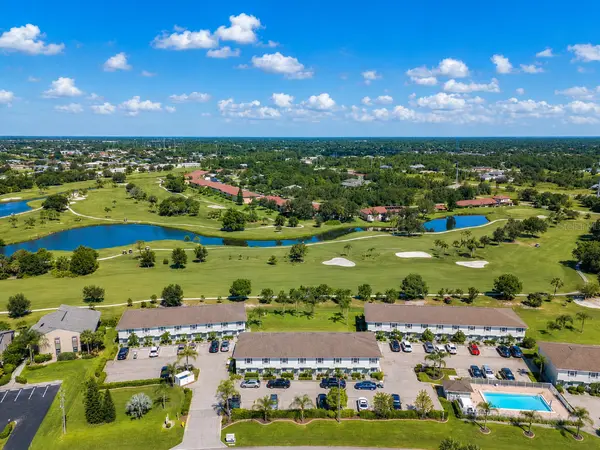
Should I Buy a Condo or Single-Family Home in Florida?
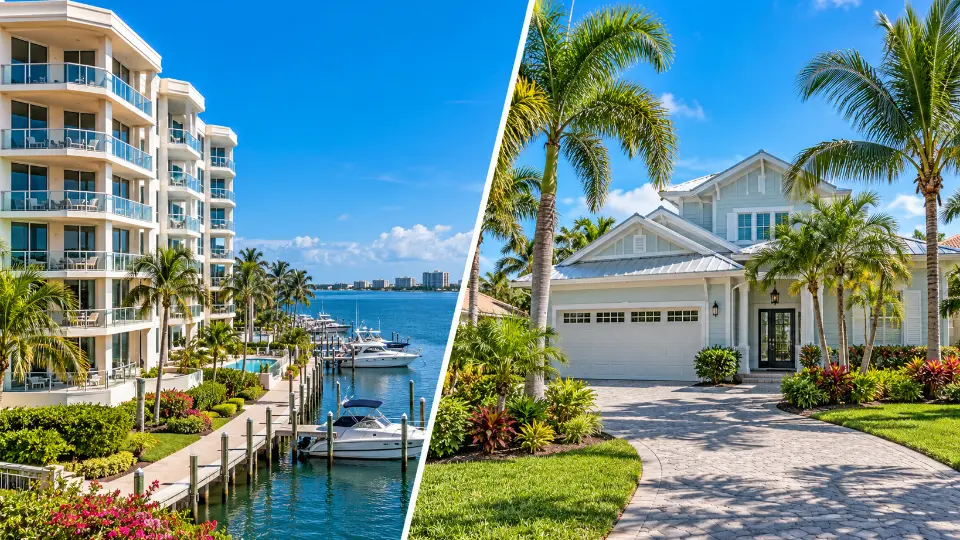
Choosing between a Florida condo and a single-family home usually comes down to maintenance responsibility, total ownership cost, insurance, association obligations, privacy, amenities and how much control you want over the property. Condos can offer lower-maintenance living because an association handles specified shared property, but owners pay assessments and share financial responsibility for the association. Single-family homes generally provide more control and private outdoor space, but the owner is typically responsible for more maintenance and repairs. Neither is automatically cheaper or better, so compare the complete financial and practical picture of the specific properties you are considering.
Quick Answers About Condos vs. Single-Family Homes in Florida
Which requires less maintenance, a condo or house?
A condominium often requires less direct exterior maintenance because the association maintains specified common elements and building components. However, owners pay assessments that help fund those responsibilities. A single-family homeowner generally has more direct responsibility for the roof, exterior, landscaping and other property components.
Are Florida condos cheaper than single-family homes?
Not necessarily. A condo may have a lower purchase price than a detached home in the same area, but regular association assessments, special assessments, insurance, taxes and financing all affect the total cost. Compare complete ownership costs rather than listing prices alone.
Is insurance cheaper on a Florida condo?
You should not assume so. A condominium association typically insures specified shared property while the individual owner may need an HO-6 policy, but owners also indirectly fund association insurance through assessments. Insurance costs vary substantially by building, home, location, coverage and other underwriting factors.
Can Florida condo owners face special assessments?
Yes. Special assessments can be used for qualifying association expenses or projects when authorized. A special assessment is not automatically evidence of a poorly managed condominium, but buyers should investigate why it was imposed, what it funds, how much remains due and whether additional projects or assessments are being discussed.
Do Florida condo buyers need to review reserves and structural inspections?
For applicable condominiums, yes. Buyers should investigate reserve funding, Structural Integrity Reserve Study information and milestone inspection information when those requirements apply to the building. They should also review budgets, financial statements, assessments, insurance, major projects and recent meeting minutes.
Does a single-family home give me more control?
Generally, yes, particularly when the home is not subject to extensive HOA restrictions. Greater control can include landscaping, exterior improvements and use of private outdoor areas, but zoning, permitting, deed restrictions and HOA rules can still limit what an owner may do.
Which is better for a seasonal Florida owner?
A condo can be attractive to seasonal owners who value association-maintained common property and amenities, but it is not automatically the better choice. Buyers should compare maintenance responsibilities, security arrangements, insurance, storm preparation, association rules and total costs for the specific properties.
Which is the better investment?
Neither property type can be assumed to produce better future appreciation or financial returns. Location, purchase price, condition, association finances, ownership costs, market conditions and future demand all matter. Buyers should avoid purchasing based on an appreciation guarantee or generalized investment claim.
What Is the Biggest Difference Between Owning a Condo and a House?
The biggest practical difference is how ownership and responsibility are divided. With a single-family home, the owner typically owns the structure and land and is directly responsible for maintaining most of the property. An HOA may still impose rules or maintain certain shared amenities, but the house itself usually remains the owner's responsibility.
With a condominium, the owner purchases a unit together with an interest in condominium common elements as defined by the governing documents and Florida law. The association maintains and administers specified shared property, and owners collectively fund association expenses through regular assessments and, when applicable, other assessments.
This is why buying a condo requires evaluating two things at once: the individual residence and the condominium association. Hunt Brothers Realty's condo vs. townhome vs. single-family home guide provides a broader comparison of these Florida ownership options.
Which Usually Requires Less Maintenance?
A condominium often requires less direct exterior maintenance from the individual owner. Depending on the condominium documents, the association may be responsible for substantial portions of the building exterior, common areas, landscaping, amenities and other shared components.
That does not mean condo maintenance is free. Owners pay regular assessments that fund association operations, repairs, insurance, reserves and other expenses. Owners also remain responsible for the portions of the unit assigned to them by law, the condominium documents and other applicable agreements.
A single-family homeowner generally has more direct responsibility. Depending on the property, that can include:
- Roof maintenance and replacement
- Exterior painting and repairs
- Landscaping and irrigation
- Driveway and walkway maintenance
- Pool and pool-equipment maintenance when applicable
- Plumbing and electrical systems
- HVAC equipment
- Windows and doors
- Pest control
- Fences and other private improvements
- Seawalls, docks or other waterfront infrastructure when privately owned and applicable
The exact division of responsibility varies. Condo buyers should read the governing documents, while house buyers in an HOA should review the HOA documents before assuming who maintains a particular component.
Are Florida Condos Really Less Expensive?
A lower condo purchase price does not necessarily mean a lower cost of ownership. The useful comparison is the complete monthly and annual cost of each specific property.
For a condominium, that calculation can include:
- Mortgage principal and interest when financed
- Property taxes
- Individual unit-owner insurance
- Regular condominium assessments
- Existing special assessments
- Utilities not included in the association assessment
- Interior maintenance and repairs
- Parking, storage or other charges when applicable
For a single-family home, the calculation can include the mortgage, taxes, homeowners insurance, flood insurance when appropriate, HOA or CDD assessments when applicable, utilities, landscaping, pool care and money set aside for major repairs and replacements.
Hunt Brothers Realty's guide to the true cost of buying a Florida home explains why purchase price and mortgage payment alone do not describe the complete ownership budget.
How Do Condo Fees Change the Comparison?
Condo assessments fund shared obligations, so they should be evaluated based on what they cover rather than judged solely by the monthly dollar amount. A higher assessment may include substantial services, insurance expenses, reserve contributions, utilities or amenities that a homeowner would otherwise pay separately.
A low condo assessment is not automatically better. Buyers need to understand whether the association is adequately addressing current operating expenses and future capital obligations.
Useful questions include:
- What does the regular assessment include?
- How much is being contributed to reserves?
- Have assessments recently increased?
- Are additional increases being discussed?
- Are there current special assessments?
- What major projects are approaching?
- Does the association have loans or other significant obligations?
What Should Florida Condo Buyers Know About Reserves in 2026?
Florida condo buyers should understand how the association is planning and funding future repairs. This is particularly important for condominium buildings subject to Florida's Structural Integrity Reserve Study requirements.
The Florida Department of Business and Professional Regulation explains that a Structural Integrity Reserve Study, commonly called a SIRS, evaluates specified condominium property, estimates remaining useful life and replacement or deferred-maintenance costs, and provides a recommended funding plan.
Current DBPR guidance states that residential condominium associations generally must complete a SIRS at least every 10 years for each condominium building that is three habitable stories or higher, subject to statutory requirements and exceptions. The requirements do not apply to every condominium building.
The state also adjusts a monetary threshold used for certain required reserve components. DBPR lists the 2026 threshold as $25,675. Because Florida condominium requirements have changed in recent years, buyers should use current statutory and association information rather than relying on older summaries.
For a more detailed explanation, see Hunt Brothers Realty's 2026 Florida condo reserve guide.
What Is the Difference Between a Milestone Inspection and a SIRS?
They serve different purposes. A milestone inspection evaluates the structural condition of an applicable aging condominium or cooperative building. A SIRS is a reserve-planning study that evaluates specified association-maintained components and establishes information for future funding.
Florida DBPR states that applicable buildings with three or more habitable stories generally face an initial milestone inspection at 30 years, or potentially 25 years when the local enforcement agency determines local circumstances require the earlier inspection, followed by subsequent inspections every 10 years.
A completed SIRS should not be treated as a substitute for a required milestone inspection, or vice versa. Buyers should verify which requirements apply to the specific building and review the current reports with appropriate professionals when the findings could materially affect the purchase.
Are Special Assessments a Reason to Avoid a Condo?
Not automatically. A special assessment is a reason to investigate the association's finances and the project being funded, not an automatic reason to reject the condominium.
An assessment might fund a roof, structural work, waterproofing, elevators, insurance-related expenses or another significant project. In some cases, the work may already be substantially complete. In others, costs or project scope may still be developing.
Before purchasing, investigate:
- Why the assessment was approved
- The total project cost
- The unit's share
- How much remains unpaid
- Whether the work is complete
- Whether additional work is expected
- Whether other assessments are being discussed
Responsibility for an assessment between a buyer and seller can depend on the contract and circumstances. Questions involving contractual rights or legal obligations should be reviewed with a qualified Florida real estate attorney when individualized legal guidance is needed.
How Is Insurance Different for a Condo and a Single-Family Home?
The insurance structure is different because condominium ownership divides insurance responsibilities between the association and individual unit owner. A single-family homeowner generally insures the home through an individual homeowners policy appropriate to that property.
The Florida Department of Financial Services explains that condo unit owners commonly use a Condominium Unit-Owners Form, generally known as an HO-6 policy. That policy can address personal property, liability and certain unit-owner exposures, subject to the policy's terms.
The association's master insurance and the unit owner's policy cover different interests. The boundary should not simply be assumed to mean everything outside the unit belongs to the association and everything inside belongs to the owner. Florida law, condominium documents and actual insurance policies determine the responsibilities.
Hunt Brothers Realty's condo association insurance vs. HO-6 guide explains this distinction in greater detail.
Insurance availability, coverage, deductibles, exclusions and premiums can vary substantially by home, condominium building and individual unit. Buyers should obtain property-specific insurance quotes and review coverage with a qualified Florida insurance professional before making a purchasing decision.
Does Either Property Type Automatically Include Flood Insurance?
No. Florida's Department of Financial Services states that flood damage is not covered by a standard homeowners insurance policy. Condo buyers also should not assume that an association's insurance eliminates every individual flood-coverage question.
For a condominium, buyers should investigate the association's applicable flood coverage and what remains the unit owner's responsibility. For a single-family home, investigate the property's flood information, elevation information when available and property-specific flood insurance options.
Flood-zone designations, lender requirements, actual flood exposure and insurance pricing are related but different issues. Property-specific questions should be reviewed with the appropriate insurance, surveying, lending or other qualified professionals.
Which Gives You More Privacy and Outdoor Space?
A detached single-family home generally provides more separation from neighboring residences and more privately controlled outdoor space. That can include a yard, driveway, lanai, private pool or other improvements, depending on the property.
Condo living usually involves more shared space. Hallways, elevators, parking areas, pools, fitness facilities, docks and other amenities may be common elements used by multiple owners.
The tradeoff is that shared amenities can provide facilities an individual homeowner might not want to own and maintain privately. A Gulf-front pool, fitness room, staffed lobby, clubhouse or marina infrastructure can be attractive precisely because the association manages the shared property.
Which Gives You More Freedom to Renovate?
A single-family home often gives an owner more control over renovations, but that freedom is not unlimited. HOA architectural restrictions, deed restrictions, zoning, building codes and permitting requirements can still affect what can be changed.
Condo renovations can involve additional association requirements because work may affect shared systems, neighboring units or common property. Flooring, windows, doors, plumbing changes, structural work and contractor access can be subject to association approval or building procedures.
Buyers planning substantial renovations should review current association rules and applicable permitting requirements before purchasing. Construction and structural questions should be evaluated by the appropriate licensed contractor, architect, engineer or local permitting authority.
Which Has More Rules, a Condo or a House?
A condominium often has more rules governing the use of the residence and shared property, but a single-family home in an HOA can also have substantial restrictions. The governing documents, not the property label alone, determine the actual rules.
Condo buyers commonly need to investigate rules involving:
- Pets
- Leasing
- Guest occupancy
- Parking
- Storage
- Renovations
- Balcony or lanai use
- Amenity use
- Move-in procedures
- Boat slips when applicable
Single-family HOA rules can regulate exterior colors, landscaping, fences, vehicles, boats, RVs, rentals, additions and other visible property changes. Buyers should review current governing documents before purchasing based on an intended use.
Which Is Easier to Finance in Florida?
Condominium financing can involve an additional layer of project review that may not apply in the same way to a detached single-family home. A buyer's personal mortgage preapproval does not guarantee that every condominium project will qualify for the intended financing.
Depending on the lender and loan program, condo project review may consider association insurance, financial information, assessments, litigation, structural conditions and other project characteristics. Requirements vary by lender, program and property.
Buyers considering a condominium should involve their mortgage professional early enough to evaluate the specific project. Financing eligibility and loan requirements should be verified with a qualified mortgage lender or loan professional before relying on a particular financing strategy.
Is a Condo Better for a Seasonal Florida Resident?
A condo can work well for a seasonal owner who prefers less direct responsibility for exterior maintenance and values shared amenities. Some buildings also offer controlled-access entries, management or other services that seasonal owners find useful.
That does not make every condo easier to leave unattended. Owners still need to consider interior maintenance, HVAC operation, water issues, storm preparation, association access requirements and insurance obligations.
A single-family home can also work for seasonal ownership, particularly when the owner arranges appropriate property monitoring, landscaping, pool service and storm preparation. The better choice depends on how much property management you want to coordinate personally.
Which Is Better if I Want to Rent the Property?
Neither property type should be assumed to provide unrestricted rental use. Condominium associations and HOAs can impose leasing restrictions, while local government regulations and other requirements may also affect rentals.
Before purchasing based on a rental plan, verify:
- Minimum lease period
- Maximum number of leases per year
- Waiting periods before leasing
- Tenant approval procedures
- Local rental regulations
- Applicable licensing or registration requirements
- Insurance requirements
- Financing implications
Rental income and occupancy should never be guaranteed. Buyers planning to rent should verify current association and government requirements and review tax, insurance, lending and legal questions with qualified professionals.
Is a Condo or House Better for Pet Owners?
A single-family home may offer more private outdoor space, but the actual answer depends on the property and governing rules. Condo and HOA communities can regulate the number, type or size of pets, subject to applicable law.
Do not rely on an older listing that simply says "pets allowed." Obtain the current rules and confirm the provisions applicable to the specific owner and intended use before purchasing when pet restrictions materially affect the decision.
What Documents Should I Review Before Buying a Florida Condo?
Condo buyers should investigate both governance and finances before closing. A renovated kitchen or Gulf view does not reveal the financial condition of the association or the building's future capital needs.
Depending on the condominium, useful records can include:
- Declaration of condominium and amendments
- Articles and bylaws
- Current rules
- Annual budget
- Financial statements
- Reserve information
- Applicable SIRS information
- Applicable milestone inspection information
- Current and proposed special assessments
- Recent meeting minutes
- Master insurance information and deductibles
- Information about major completed and planned projects
- Rental, pet, parking and storage rules
For a detailed checklist, see Hunt Brothers Realty's guide to Florida condo documents buyers should review before closing.
What Should I Inspect Before Buying a Single-Family Home?
A single-family buyer should investigate the entire property rather than focusing only on the interior. The owner will generally assume direct responsibility for more of the structure, systems and site after closing.
Depending on the property, due diligence can include:
- Roof condition and age
- Electrical system
- Plumbing
- HVAC equipment
- Windows, doors and storm protection
- Foundation and structure
- Moisture conditions
- Pool and equipment when applicable
- Septic system or well when applicable
- Permit history for major improvements
- Drainage and flood considerations
- Seawall, dock and lift when applicable
A general home inspection has a defined scope and does not replace every specialized evaluation. Significant findings should be reviewed with the appropriate licensed inspector, contractor, structural engineer, pool professional, septic professional or other qualified specialist before a buyer makes a property-specific decision.
How Should I Compare a Condo and House Side by Side?
Compare responsibility, cost and lifestyle rather than relying on stereotypes about either property type.
| Factor | Condominium | Single-Family Home |
|---|---|---|
| Exterior maintenance | Often shared through the association, depending on documents | Generally owner responsibility |
| Association costs | Regular condo assessments, possible special assessments | May have HOA or CDD costs, or neither, depending on property |
| Insurance structure | Association coverage plus individual unit-owner coverage | Individual homeowner generally insures the structure and owner exposures |
| Private outdoor space | Usually more limited and may include common areas | Often greater private yard and outdoor control |
| Amenities | Shared pools, fitness, clubrooms and other facilities can be common | Private amenities or HOA amenities vary by community |
| Renovation control | Association approval can apply to various changes | Usually more control, subject to HOA, deed, zoning and permit rules |
| Financing | Can involve review of both borrower and condo project | Generally focuses on borrower and individual property requirements |
| Association financial review | Especially important because owners share association obligations | HOA finances can still matter when an HOA exists |
When Might a Florida Condo Be the Better Fit?
A condo may deserve stronger consideration when you value lower direct exterior-maintenance responsibility, shared amenities or a location where condominium housing provides access to property types that are difficult to duplicate with a detached home.
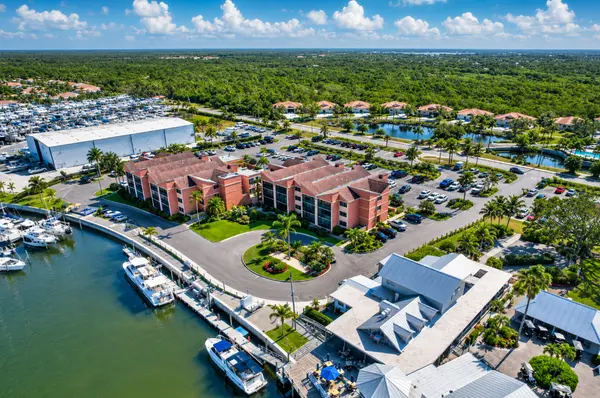
Examples can include downtown high-rise living, Gulf-front buildings, bayfront residences and some marina-oriented communities. The key is to evaluate the association as carefully as the unit.
A condo can be a good fit when you are comfortable with:
- Shared decision-making
- Association rules
- Regular assessments
- Potential special assessments
- Less private outdoor space
- Reviewing association finances and building condition before purchasing
When Might a Single-Family Home Be the Better Fit?
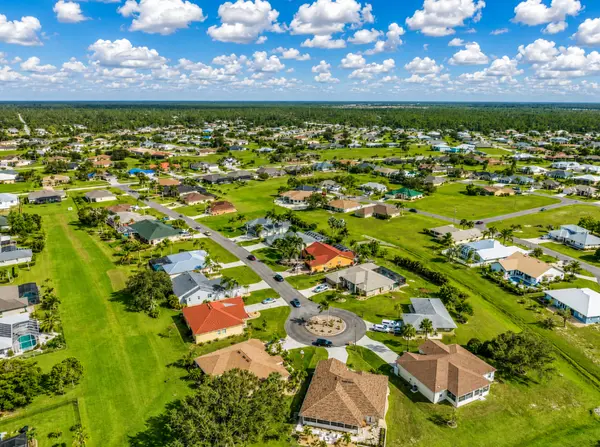
A single-family home may deserve stronger consideration when private outdoor space, greater physical separation, renovation flexibility and direct control over property maintenance are priorities.
A detached home can be a good fit when you are comfortable taking responsibility for:
- Roof and exterior maintenance
- Landscaping
- Major mechanical systems
- Private pool maintenance when applicable
- Storm preparation
- Budgeting for major repairs and replacements
A house without a mandatory HOA can provide additional flexibility, but buyers should verify the actual property rather than assuming every detached home is unrestricted.
Which One Is Better for Florida Waterfront Living?
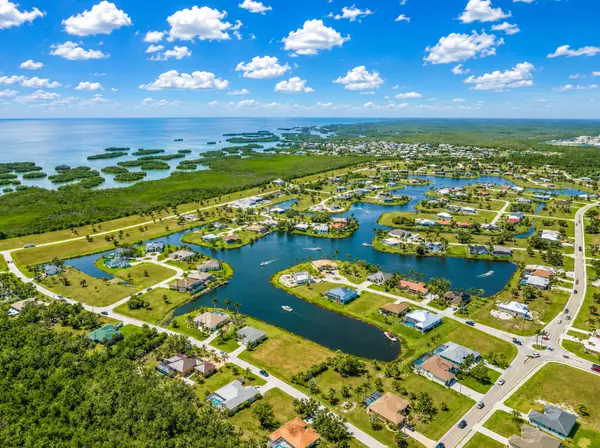
Both property types can provide waterfront living, but the responsibilities can be very different. A waterfront condo may place seawall, dock, shoreline or other shared infrastructure under association responsibility, while a waterfront house can place more of those obligations directly on the homeowner.
Do not assume that a waterfront condo includes a boat slip or that a waterfront house automatically has legal, usable dockage. Dock ownership, assigned slips, water depth, bridge clearance, seawall responsibility and navigation conditions are property specific.
Waterfront buyers should verify physical conditions and legal rights through the appropriate association records, surveys, permits, title information and qualified marine, inspection, engineering or legal professionals when those issues affect the purchasing decision.
What Questions Should I Ask Before Choosing?
The best choice becomes clearer when you compare how you want to live with what you want to own and maintain.
- How much direct maintenance do I want to handle?
- How important is private outdoor space?
- Do I value shared amenities enough to help fund them?
- How comfortable am I with association rules?
- What are the complete monthly and annual costs of each property?
- What does property-specific insurance cost?
- Are there current or anticipated assessments?
- What major repairs are likely during my ownership?
- Do I plan to rent the property?
- Do pet, parking or vehicle restrictions matter to me?
- Will I live in Florida full time or seasonally?
- How much control do I want over renovations and exterior changes?
What Is the Best Way to Make the Final Decision?
Compare actual properties rather than choosing a property type in the abstract. A well-maintained condo with a financially prepared association can present a very different ownership picture from a condo facing major unresolved projects. Likewise, a newer detached home with updated systems can have a different maintenance outlook from an older house needing substantial capital work.
Build a side-by-side ownership budget for the homes you are seriously considering. Include mortgage costs when applicable, taxes, property-specific insurance quotes, association assessments, utilities, expected maintenance, known assessments and significant anticipated repairs.
Then compare the nonfinancial factors: privacy, amenities, location, rules, parking, storage, outdoor space and the amount of property management you want to handle personally.
Compare Florida Condos and Homes With Hunt Brothers Realty
Hunt Brothers Realty helps Florida Gulf Coast buyers compare condominiums and single-family homes based on more than listing price. The goal is to understand how each property's location, condition, association structure, insurance considerations, maintenance responsibilities and total ownership costs fit the buyer's priorities.
Start with the Hunt Brothers Realty Buyer Resource Center, read what buyers should know before purchasing a Florida condo, review the Florida condo document checklist, or contact Hunt Brothers Realty to discuss specific properties.
This article is provided for general informational and educational purposes only and is not individualized legal, financial, tax, insurance, lending, inspection, engineering, construction, title, association, survey, permitting or other professional advice. Condominium obligations, HOA requirements, insurance, financing, reserves, assessments, structural requirements, property conditions and ownership costs vary by property and transaction. Buyers should review current property and association information and consult the appropriate licensed real estate professional, Florida real estate attorney, mortgage lender, insurance agent, tax professional, CPA, home inspector, structural engineer, contractor, title professional, surveyor, association or government authority before making decisions requiring individualized guidance.
Sources
- Florida Department of Business and Professional Regulation, Condominium and Cooperative FAQs
- Florida DBPR, Condominium Inspections and Structural Integrity Reserve Studies
- Florida DBPR, 2026 Condominium Reserve Threshold
- Florida Department of Financial Services, Homeowners and Condominium Unit-Owner Insurance Overview
- Hunt Brothers Realty, Condo vs. Townhome vs. Single-Family Home
- Hunt Brothers Realty, What Condo Documents Should Buyers Review Before Closing?
- Hunt Brothers Realty, Florida Condo Reserves Explained
- Hunt Brothers Realty, Condo Association Insurance vs. HO-6 Insurance in Florida
Hunt Brothers Realty
46 N. Washington Blvd, Ste 3, Sarasota, FL 34236
Phone: (941) 388-7017
Email: info@huntbrothersrealty.com
Website: HuntBrothersRealty.com
Categories
- All Blogs 2291
- Anna Maria Island 87
- Bird Key 4
- Bradenton 237
- Buying a Home 1340
- Casey Key 2
- Clearwater 13
- Condos & HOA Living 1259
- Ellenton 6
- Englewood 12
- First Time Homebuyers 1452
- Foreclosures 5
- Home Selling 7
- Homeownership 1480
- Lakewood Ranch 25
- Lido Key 28
- Longboat Key 80
- Luxury/Waterfront Properties 1421
- Market Updates & Trends 935
- Mortgages & Financing 69
- Move-Up Buyers 25
- Neighborhood Guides 1053
- New Construction 39
- Palmetto 4
- Parrish 6
- Port Charlotte 12
- Punta Gorda 86
- Real Estate Investing 1336
- Relocation to Florida 1372
- Safety Harbor 4
- Sarasota 95
- Sarasota - Downtown 165
- Selling a Home 146
- Siesta Key 92
- St. Petersburg 8
- Tierra Verde 5
- Vacation & Second Homes 1531
- Venice 209
- Wellen Park 20
Recent Posts