What Is the Difference Between Condo Association Insurance and My Own Policy?
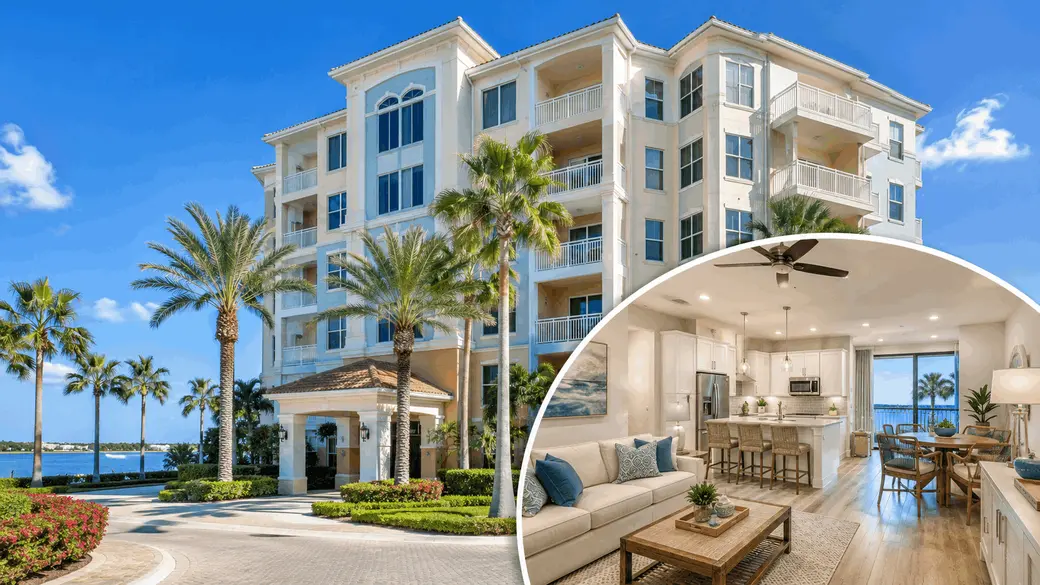
Condo association insurance and your individual condo policy protect different parts of condominium ownership. In Florida, the association generally insures the condominium property and common elements it is responsible for, while an individual unit-owner policy, commonly called an HO-6 policy, can cover personal belongings, certain interior components and improvements, additional living expenses, personal liability and other owner-specific exposures, subject to the policy. The boundary is not simply "outside versus inside." Florida law, the association's policies, the condominium documents and your individual insurance contract all matter. Before buying or renewing coverage, review both layers with a qualified Florida insurance professional.
Quick Answers About Condo Association Insurance and HO-6 Policies
Does the condo association's insurance cover my individual condo?
It can cover portions of the condominium building associated with your residence, but it does not mean everything inside your unit is insured. Florida law specifically places responsibility for several categories of property, including personal property and certain interior components, on the unit owner.
What does an HO-6 condo policy typically cover?
Depending on the insurer, coverage selected and policy terms, an HO-6 policy can cover personal property, portions of the unit for which the owner is responsible, additional living expenses, personal liability and other specified exposures. Exact coverage, limits, deductibles and exclusions need to be reviewed in the individual policy.
Does the association insure my furniture and personal belongings?
Generally, no. Florida condominium law excludes personal property within the unit from the property insurance the association is required to maintain. Personal belongings are one reason individual condo insurance can be important.
Does the association's policy cover my cabinets, flooring and appliances?
Florida law generally excludes specified unit components from the association's required property coverage, including floor, wall and ceiling coverings, electrical fixtures, appliances, water heaters, water filters, built-in cabinets, countertops and window treatments located within the unit boundaries and serving only that unit. Property-specific circumstances and policy language still need to be reviewed.
What is loss assessment coverage?
Loss assessment coverage can provide protection for certain assessments charged to unit owners following a covered type of loss, subject to the individual policy's terms, limits and exclusions. It should not be assumed to cover every special assessment or every association deductible.
Does the association's policy mean I do not need my own insurance?
No. The association's policy and an individual unit-owner policy address different exposures. A condo owner should have a qualified insurance professional review the association's current coverage and determine the individual coverage appropriate for the residence and owner.
Should I review insurance before buying a Florida condo?
Yes. Insurance can affect both your individual ownership costs and the association's budget. Buyers should investigate the master policies, deductibles, individual insurance needs and property-specific quotes before making a purchasing decision.
Think of Condo Insurance as Two Layers
Condominium insurance can be confusing because you own an individual unit while sharing ownership interests and financial responsibilities within a larger condominium property.
That creates two insurance layers:
- The condominium association's insurance: Coverage maintained by the association for property and exposures assigned to the association.
- Your individual condo insurance: Coverage designed for the individual unit owner and the property and exposures that remain the owner's responsibility.
The two policies are intended to address different risks. Having one does not automatically eliminate the need to understand the other.
What Does the Condo Association's Insurance Cover?
Florida's condominium insurance framework is established in part by Florida Statutes Section 718.111. The statute addresses the property insurance responsibilities of residential condominium associations.
Under the statute, the association's property insurance generally provides primary coverage for portions of the condominium property as originally installed, or replacement of like kind and quality according to the original plans and specifications, subject to the statutory framework and applicable exceptions.
Depending on the condominium and its policies, association coverage can involve building structures and common property such as:
- The condominium building
- Common structural components
- Common hallways
- Clubhouses and shared facilities
- Parking structures
- Swimming pools and other common amenities
- Other common elements and association property
The actual policy controls what is insured, what perils are covered, the applicable deductibles and what exclusions apply. Buyers should obtain current insurance information from the association rather than relying on a general description of what condominium insurance usually covers.
What Does Florida Law Leave to the Unit Owner?
This is where the difference between the two insurance layers becomes especially important.
Florida Statutes Section 718.111 provides that the association's required property coverage excludes specified property located within the unit boundaries and serving only that unit. The statutory list includes:
- Personal property
- Floor coverings
- Wall coverings
- Ceiling coverings
- Electrical fixtures
- Appliances
- Water heaters
- Water filters
- Built-in cabinets
- Countertops
- Window treatments, including curtains, drapes and blinds
The statute assigns responsibility for insuring this property to the unit owner. This is one reason the phrase "the association insures the building" should not be interpreted to mean that every component within an individual residence is covered by the association's policy.
What Is an HO-6 Condo Insurance Policy?
An HO-6 policy is a common form of insurance for an individual condominium unit owner. It is different from a standard homeowners policy designed for someone who owns an entire detached house and the structure itself.
Citizens Property Insurance Corporation explains that its condominium unit-owner policy covers certain features of the unit's interior as well as personal property, additional living expenses and liability coverage. It does not insure the exterior condominium building.
Depending on the individual insurer and policy, relevant coverage categories can include:
- Interior property for which the unit owner is responsible
- Improvements and alterations
- Furniture and personal belongings
- Additional living expenses following a covered loss
- Personal liability
- Medical payments coverage
- Loss assessment coverage
- Other optional or endorsed coverage when available
Coverage differs among insurers and policy forms. A list of common HO-6 features should never be treated as confirmation that a particular loss will be covered.
A Simple Example of How the Two Policies Can Differ
Imagine a condominium building experiences a covered property loss that damages both common building components and the contents of an individual residence.
The association's insurer may be involved with insured portions of the building and common property. The unit owner's insurer may be involved with insured personal belongings and portions of the residence assigned to the owner, depending on the cause of loss, applicable policies, deductibles, limits and exclusions.
The exact allocation after a real loss can be considerably more complicated. The cause of damage, source of the loss, policy language, condominium documents, Florida law and whether negligence is involved can all matter. Claims and responsibility questions should therefore be evaluated by the applicable insurers and qualified professionals rather than assumed from a general rule.
What About Upgraded Kitchens, Flooring and Other Improvements?
Renovations are an important reason to review an HO-6 policy carefully. A condominium may have been built with relatively basic finishes and later renovated with custom cabinetry, premium flooring, upgraded countertops, built-in features or other improvements.
Citizens explains that its condominium unit-owner coverage can apply to additions and alterations that are not the responsibility of the condominium association. The appropriate amount of coverage depends on the individual residence, improvements and policy.
A buyer purchasing a substantially renovated condo should tell the insurance professional about those improvements. Do not assume that a generic coverage amount accurately reflects the cost of replacing the finishes in the residence.
What Is Loss Assessment Coverage?
Loss assessment coverage is one of the most important condo-specific concepts for buyers to understand, but it is also easy to misunderstand.
A condominium association can face insured property losses, deductibles or costs exceeding available insurance proceeds. Depending on the circumstances, some costs may ultimately become common expenses or result in assessments to unit owners.
An individual HO-6 policy may provide loss assessment coverage for certain qualifying assessments. Citizens, for example, includes loss assessment coverage in its HO-6 policy subject to its stated limit and policy terms.
Loss assessment insurance is not the same as insurance against every special assessment. An assessment for routine maintenance, an unfunded capital project or another noncovered expense should not be assumed to qualify simply because the association calls it a special assessment.
Ask a qualified insurance professional to explain the loss assessment coverage in the proposed policy, including the limit, covered causes of loss, deductible provisions and exclusions.
Why the Association's Deductible Matters to Condo Owners
It is not enough to know that an association carries property insurance. Buyers should also understand the deductibles attached to that coverage.
Florida law addresses condominium property-insurance deductibles and the allocation of property-loss expenses. Depending on the circumstances and the association's governing framework, association deductibles and damages exceeding insurance coverage can become common expenses.
For a buyer, this creates an important due-diligence question: if the association experiences a major covered loss, what financial exposure could remain after the master insurance responds?
The answer requires more than looking at the annual insurance premium. Review the master policy deductibles and discuss the relationship between those deductibles, potential assessments and your individual loss assessment coverage with a qualified insurance professional.
Does My HO-6 Policy Cover Damage I Cause to Another Unit?
Personal liability coverage is another reason individual condo insurance matters, but liability cannot be reduced to a simple rule that one policy automatically pays whenever damage travels from one residence to another.
Consider a water event that begins in one unit and damages another residence or common property. Responsibility can depend on the facts, the cause of the event, negligence, condominium documents, Florida law and the language of the applicable insurance policies.
Unit owners should review personal liability limits with their insurance professional. Questions about legal responsibility for an actual loss should be handled by the insurers involved and, when necessary, a qualified Florida attorney.
What Happens If My Condo Becomes Uninhabitable?
Association insurance for the building does not necessarily pay an individual owner's temporary living expenses.
Individual condo policies can include additional living expense or loss-of-use coverage when a covered loss makes the residence uninhabitable, subject to the policy's terms and limits. This can be particularly important when significant building repairs prevent an owner from occupying the unit for an extended period.
Ask the insurance professional how this coverage works, what events trigger it, what limits apply and how long benefits can continue under the proposed policy.
Does Condo Insurance Include Flood Coverage?
Do not assume that either a standard association property policy or an HO-6 policy automatically provides all flood coverage a coastal condominium owner may need.
Florida law permits condominium associations to obtain flood insurance for common elements, association property and units, but the actual flood insurance carried by a specific association must be verified. An individual owner's flood-insurance needs can also depend on the building, unit, lender and existing association coverage.
This deserves particular attention when buying on Florida's Gulf Coast. The Hunt Brothers Realty guide to buying near the coast explains why flood information and property-specific insurance research should be completed before making a purchasing decision.
Review flood coverage with a qualified insurance professional rather than assuming that the unit's floor level or the association's master insurance eliminates the need to investigate it.
What About Hurricane and Wind Coverage?
Wind and hurricane coverage also requires policy-specific review. Citizens offers both multi-peril HO-6 coverage and, for eligible properties in applicable areas, wind-only condominium unit-owner coverage.
An association can likewise have substantial wind-related deductibles and specific policy terms. For a Gulf Coast condominium buyer, reviewing the association's wind coverage and deductible alongside the individual owner's proposed coverage can provide a much clearer picture than simply asking whether the building is "insured."
Why Association Insurance Can Affect Your Condo Fees
Even though you do not personally purchase the association's master policy, you still have a financial interest in it. Insurance is an association expense, and association expenses are ultimately funded through the condominium's financial structure.
That is why buyers should look beyond the current monthly condominium fee. The association's insurance costs, deductibles, reserves, recent claims and other expenses can affect current or future association finances.
Hunt Brothers Realty's Downtown St. Petersburg condo buyer guide recommends evaluating association insurance together with reserves, assessments, structural documentation and planned capital projects when considering a condominium purchase.
A Special Assessment Is Not the Same as an Insurance Deductible
These terms are sometimes mixed together, but they describe different things.
An insurance deductible is the amount applicable under an insurance policy before covered insurance proceeds are paid according to that policy.
A special assessment is an amount assessed to owners by the condominium association outside the regular assessment structure for a particular association need.
An association might levy an assessment following an insured event, but special assessments can also arise for reasons unrelated to an insurance claim. That distinction is important when considering loss assessment insurance because an HO-6 policy should not be assumed to reimburse every assessment charged by an association.
What Insurance Documents Should a Florida Condo Buyer Review?
Insurance should be investigated as part of condominium due diligence rather than postponed until immediately before closing.
Depending on availability and the transaction, useful information can include:
- Current association property insurance information
- Association wind coverage
- Association flood coverage when applicable
- Policy limits
- Applicable deductibles
- Relevant exclusions
- Available claims history
- Association budget and insurance expense
- Current and proposed special assessments
- Condominium declaration and amendments
- Individual HO-6 insurance quotes
- Proposed loss assessment coverage
A qualified insurance agent can review the association's insurance information alongside the proposed individual policy and identify potential coverage gaps or questions that require additional investigation.
Do Not Assume Every Florida Condo Has the Same Insurance Structure
Two condominiums with similar purchase prices can have very different insurance situations.
Differences can involve:
- Building age
- Construction characteristics
- Location and coastal exposure
- Wind mitigation features
- Flood exposure
- Association coverage limits
- Deductibles
- Claims history
- Individual unit improvements
- Owner occupancy or rental use
For this reason, an insurance quote from a different condominium, or even another residence in the same general neighborhood, should not be treated as a reliable estimate for the unit you are considering.
Condo Ownership Means Evaluating the Association and the Unit
The insurance distinction illustrates one of the fundamental differences between buying a condominium and buying a detached single-family home. With a condo, you are evaluating both the individual residence and the larger association responsible for significant parts of the property.
Hunt Brothers Realty's condo vs. townhome vs. single-family home comparison explains how ownership and maintenance responsibilities differ among these property types.
For a condominium purchase, association finances, reserves, insurance, assessments, building condition and governing documents can all affect the ownership experience even when the individual residence appears to be in excellent condition.
The Most Important Question Is Whether the Two Layers Fit Together
The association's master policy should not be evaluated in isolation, and neither should your HO-6 policy. The practical goal is understanding where one layer of coverage stops and the other begins.
Before buying a condo, ask a qualified insurance professional to review the association's current insurance information and the specific unit you are considering. Discuss the interior improvements, personal property, liability limits, additional living expenses, loss assessment coverage, applicable deductibles, wind coverage and flood considerations.
That property-specific review is much more useful than assuming the association covers everything outside the walls and the owner covers everything inside them. Florida condominium insurance is more nuanced than that shorthand suggests.
Buying a Florida Condo? Evaluate the Insurance Before You Commit
Hunt Brothers Realty helps Florida Gulf Coast buyers evaluate condominiums as complete ownership opportunities, not simply individual residences. Association fees, reserves, insurance, assessments, building condition, waterfront exposure and owner responsibilities can all matter when comparing properties.
For additional research, read the Hunt Brothers Realty Downtown St. Petersburg condo buyer guide, the condo vs. townhome vs. single-family home guide, or the questions to ask before buying near the coast.
Informational notice: This article provides general real estate and insurance information for educational purposes and is not individualized insurance, legal, financial, tax or association advice. Condominium insurance responsibilities, policy coverage, limits, exclusions, deductibles, loss assessment provisions, flood coverage and association obligations vary by property and policy and can change. Buyers and owners should review the association's current insurance policies and governing documents and obtain property-specific coverage recommendations and quotes from a qualified insurance professional. Questions involving Florida condominium law, legal responsibility, assessments or interpretation of governing documents should be reviewed with a qualified Florida real estate attorney or other appropriate legal professional.
Sources
- Florida Statutes, Section 718.111, The Association and Condominium Insurance
- Citizens Property Insurance Corporation, Personal Policies and Condominium Unit Owners Coverage
- Citizens Property Insurance Corporation, Condo vs. Homeowners Insurance Coverage Explained
- Citizens Property Insurance Corporation, What Is Covered for a Condo Unit Owner?
- Hunt Brothers Realty, Downtown St. Petersburg Condos: What Buyers Should Know
- Hunt Brothers Realty, Condo vs. Townhome vs. Single-Family Home
- Hunt Brothers Realty, Questions to Ask Before Buying a Home Near the Coast
Contact Hunt Brothers Realty
46 N. Washington Blvd, Ste 3, Sarasota, FL 34236
Phone: (941) 388-7017
Email: info@huntbrothersrealty.com
Website: HuntBrothersRealty.com
Categories
- All Blogs 2112
- Anna Maria Island 86
- Bird Key 4
- Bradenton 236
- Buying a Home 1171
- Casey Key 2
- Clearwater 11
- Condos & HOA Living 1088
- Ellenton 5
- Englewood 11
- First Time Homebuyers 1280
- Foreclosures 5
- Home Selling 6
- Homeownership 1304
- Lakewood Ranch 25
- Lido Key 28
- Longboat Key 80
- Luxury/Waterfront Properties 1244
- Market Updates & Trends 766
- Mortgages & Financing 48
- Move-Up Buyers 22
- Neighborhood Guides 879
- New Construction 34
- Palmetto 3
- Parrish 6
- Port Charlotte 10
- Punta Gorda 17
- Real Estate Investing 1160
- Relocation to Florida 1200
- Safety Harbor 3
- Sarasota 81
- Sarasota - Downtown 162
- Selling a Home 146
- Siesta Key 91
- St. Petersburg 8
- Tierra Verde 5
- Vacation & Second Homes 1353
- Venice 193
- Wellen Park 19
Recent Posts