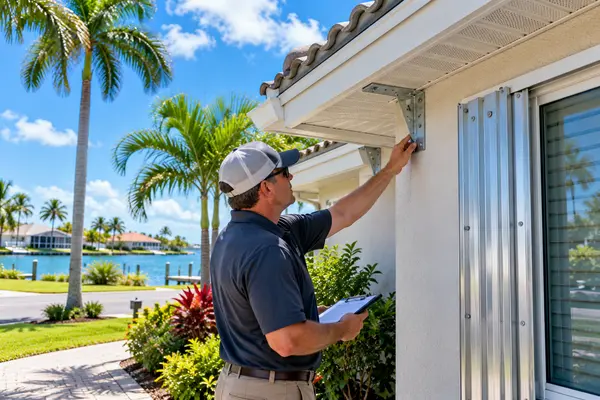
Deep-Water Access in Sarasota: What Does It Actually Mean for Boat Owners?
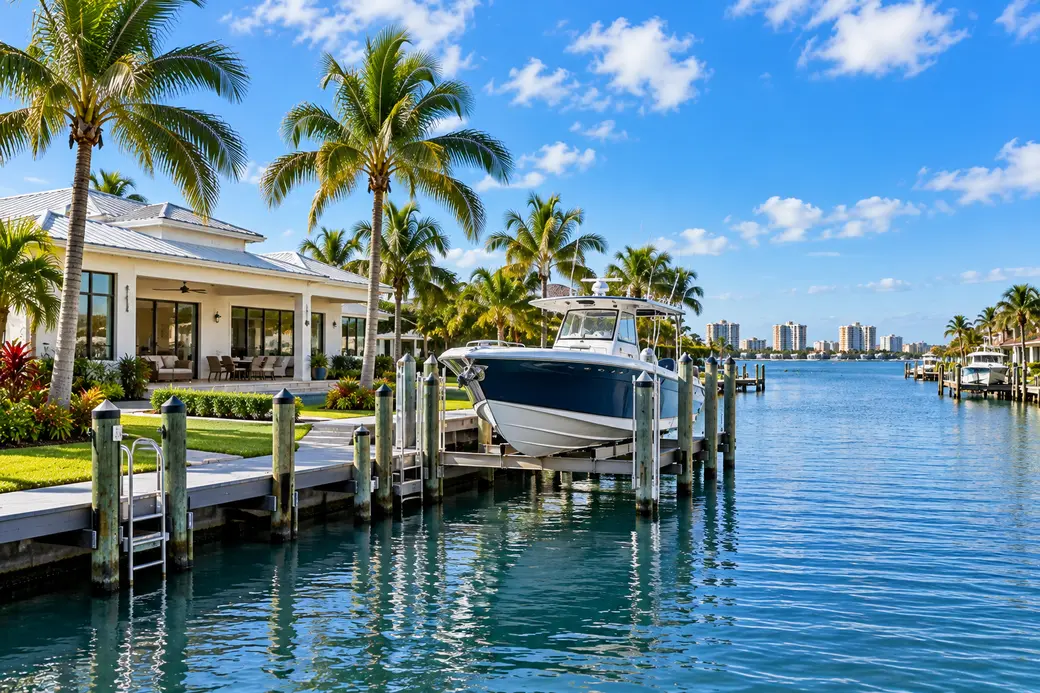
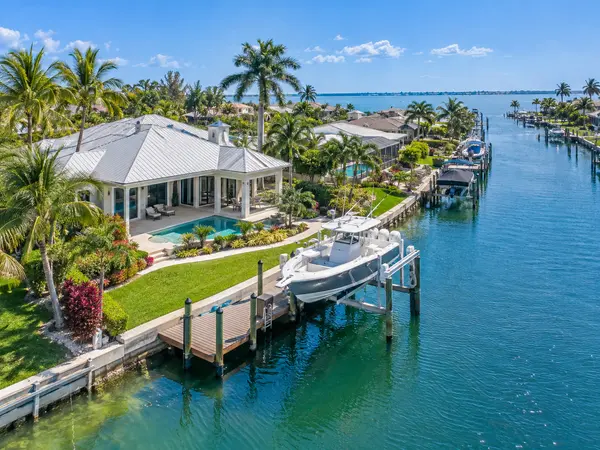
In Sarasota real estate, "deep-water access" generally suggests that a waterfront property provides enough navigable water for larger or deeper-draft boats, but the phrase alone does not tell a boat owner whether a particular vessel will work. Buyers need to verify depth at the dock, depth along the entire route, tidal conditions, bridge clearances, channel conditions, dock dimensions and boat-lift capacity. A property can have beautiful waterfront, a private dock and access to Sarasota Bay while still being unsuitable for a particular boat. For serious boaters, vessel-specific due diligence matters more than the marketing phrase.
Quick Answers About Deep-Water Access in Sarasota
What does deep-water access mean in Sarasota real estate?
It generally describes waterfront access with sufficient water depth for boating, particularly vessels that require more depth below the waterline. The phrase should not be treated as a standardized measurement or a guarantee that every boat can use the property.
How deep does the water need to be for my boat?
That depends on the vessel's draft and the operating conditions along the route. A boat owner should know the vessel's actual draft and maintain an appropriate margin for safe operation, taking tides, bottom conditions and other navigational factors into account. A qualified marine professional can help evaluate a specific boat and property.
Does deep water mean there are no bridges?
No. Water can be deep enough for a vessel while a fixed bridge still prevents the boat from reaching Sarasota Bay or the Gulf. Buyers with tall powerboats or sailboats need to investigate vertical and horizontal bridge clearances along the complete boating route.
Does a private dock guarantee deep-water access?
No. A private dock establishes a place to access or keep a boat, but it does not establish adequate depth for a particular vessel. Water depth at the dock, along the canal and through the route to larger navigable water all need to be investigated.
Why does low tide matter when buying a Sarasota boating home?
A route that works at a higher water level may provide less clearance beneath the boat at a lower water level. Buyers should investigate depth under relevant operating conditions rather than relying on how the waterfront looks during a single showing.
Can you dredge behind a Sarasota waterfront home if the water is too shallow?
Do not assume so. The Florida Department of Environmental Protection regulates dredging and filling in wetlands and other surface waters, and additional federal, state or local requirements can apply. Proposed dredging should be investigated with the applicable permitting agencies and qualified marine professionals before purchasing based on that assumption.
Which Sarasota areas offer boating-oriented waterfront homes?
Sarasota-area buyers can find boating-oriented waterfront opportunities in locations including Bird Key, Harbor Acres, portions of Siesta Key and Longboat Key, along with other canal and bayfront locations. Access conditions vary property by property, so the neighborhood name alone does not establish depth or vessel suitability. Hunt Brothers Realty's guide to Sarasota waterfront areas compares several of these locations.
There Is No Single Depth That Defines "Deep-Water Access"
One of the most important things for a waterfront buyer to understand is that "deep-water access" should not be interpreted as a universal numerical standard in a real estate listing.
What qualifies as useful depth depends heavily on the boat. A shallow-draft center-console boat and a larger cruising yacht can have very different requirements. A sailboat can add another major consideration because both underwater draft and overhead mast clearance can limit access.
Instead of asking only whether a property has deep-water access, ask a more precise question: Can my specific boat travel safely from this dock to the waters I intend to use under the conditions in which I expect to operate it?
Start With Your Boat's Draft
Draft is the vertical distance between the waterline and the lowest part of the vessel below the surface. For boating-access research, it is one of the most important specifications to know.
A boat requiring relatively little water may use a canal or route that is impractical for a deeper-draft vessel. That is why statements such as "boats use this canal all the time" provide limited information unless you know what types of boats are using it.
Bring these vessel specifications into your home search
- Overall length
- Beam
- Draft
- Overall height above the waterline
- Loaded weight
- Required lift capacity and configuration, if applicable
If boating access is material to your purchase, provide those specifications to the appropriate marine contractor, dock or lift professional, surveyor or other qualified professional evaluating the property.
Depth at the Dock Is Only the Beginning
Suppose a waterfront property has plenty of water immediately behind the house. That is useful, but it does not establish that the boat can reach Sarasota Bay or the Gulf.
The limiting depth may occur farther down the canal, at the entrance to a channel, around a bend or along another portion of the route. Shoaling and bottom conditions can also create localized constraints.
NOAA explains that nautical charts show water depths, dangers to navigation, aids to navigation, anchorages and other navigational features. NOAA further explains that the numbers shown as soundings on a chart represent water-depth measurements.
Charts are an important research tool, but boat owners should use current navigational information and account for conditions that may have changed since particular surveys or reported measurements.
Why Do Tides and Water Levels Matter?
Available water beneath a boat can change as water levels change. That means a canal that appears comfortably deep during a showing does not necessarily provide the same clearance at another time.
For a boating buyer, the useful question is not simply, "How deep is it today?" It is, "What depth can I reasonably expect along the route under the conditions when I need to use my boat?"
Hunt Brothers Realty's Florida Gulf Coast waterfront buyer's guide recommends evaluating water depth at low tide and access to the channel when investigating a dock for a particular boat.
Bridge Clearance Can Matter as Much as Water Depth
A boat can have all the water depth it needs and still be unable to reach its destination because of a bridge.
For tall powerboats and sailboats, fixed bridges deserve particular attention. Buyers should trace the complete route from the property to Sarasota Bay, the Intracoastal Waterway or the Gulf and identify every relevant bridge.
NOAA's current United States Coast Pilot demonstrates how localized Sarasota boating restrictions can be. For example, its Sarasota information identifies fixed highway bridges on Hudson Bayou with reported vertical clearances of approximately 9.5 feet and 8 feet. Those figures apply to that specific waterway and should not be generalized to other Sarasota boating areas.
What does "no fixed bridges" mean?
When accurately used, "no fixed bridges" can be important to owners of taller boats because the route does not contain a permanently fixed bridge imposing a set overhead restriction. It does not automatically mean unlimited access. Water depth, movable bridges, channel dimensions and other navigational conditions can still matter.
Why Can Bridge Clearance Change With Water Level?
Boat owners need clearance both below and above the vessel. Higher water can increase depth beneath the hull while reducing the space between the water surface and a bridge.
NOAA nautical-chart information and Coast Pilot resources provide navigational context, but actual operating decisions should account for current conditions and the specific vessel.
For buyers, this reinforces why a boating property should be evaluated as a complete route rather than simply a dock behind a house.
Channel Width and Turning Room Matter Too
Depth and bridge clearance receive much of the attention, but larger vessels also need adequate maneuvering space.
A narrow residential canal may have enough depth while presenting challenges related to beam, turning radius, neighboring docks, pilings or other physical constraints. Dock orientation can also affect how practical it is to maneuver a particular vessel into position.
If you own a larger boat, evaluate the entire docking maneuver with someone qualified to assess the vessel and waterfront configuration rather than relying on measurements in a listing.
The Existing Boat Lift Has to Match Your Vessel
A listing that advertises a private boat lift gives you only part of the information needed. The lift needs to be appropriately configured and rated for the boat you intend to keep there.
Verify the manufacturer's information and rated capacity where available. Boat weight should be considered in the appropriate operating configuration, including relevant equipment and loads. Lift width, bunk configuration, water depth and the structure supporting the lift can also matter.
Hunt Brothers Realty's Sarasota waterfront home maintenance guide recommends verifying that the existing lift is appropriate for the boat the buyer intends to keep at the property rather than assuming the equipment is adequate.
A Dock Does Not Automatically Mean the Property Is Boat-Ready
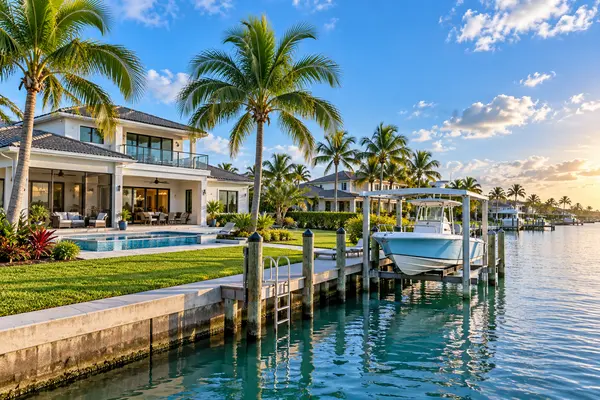
A private dock is an attractive waterfront amenity, but boat owners should evaluate it as infrastructure.
- Is the dock appropriately permitted?
- What are its dimensions?
- What condition are the pilings and structural components in?
- Are electrical and water connections present and appropriately installed?
- Does the dock configuration work for your vessel?
- Is the boat lift suitable for the intended boat?
- Is there sufficient depth at the dock under relevant conditions?
- Can the vessel safely enter and leave the dock?
Hunt Brothers Realty's coastal homebuyer guide similarly recommends checking dock dimensions, lift capacity, low-tide depth, channel access, bridge clearance and waterfront infrastructure before assuming a dock meets a buyer's needs.
Can You Simply Dredge a Shallow Canal or Dock Area?
A buyer should never purchase a property on the assumption that unwanted shallow conditions can automatically be corrected by dredging.
The Florida Department of Environmental Protection defines dredging as excavation in wetlands or other surface waters and regulates dredging and filling through environmental permitting programs. Federal authorization and other state or local requirements can also be relevant depending on the project and location.
Environmental resources, submerged-land rights, existing permits and the nature of the waterway can all affect what is possible. If the property works for your boat only if future dredging occurs, investigate that issue with the appropriate regulatory agencies, marine professionals and legal professionals before making the purchase dependent on that assumption.
Can You Enlarge the Dock or Add a Bigger Lift?
Possibly, but waterfront ownership does not automatically create an unrestricted right to enlarge a dock or install whatever lift a buyer wants.
Florida DEP's Environmental Resource Permitting program regulates many activities involving docks and surface waters. DEP provides a self-certification process for certain qualifying single-family dock projects that are exempt from requiring a DEP permit, including some new docks, dock repairs or replacements and boat-lift additions. Qualification for an exemption does not mean every proposed project is automatically authorized under all applicable requirements.
Local regulations, association restrictions, environmental conditions, submerged lands and other approvals can also matter. Verify a proposed modification before treating future dock or lift expansion as part of the property's value to you.
How Long Does It Take to Reach Sarasota Bay or the Gulf?
A property can have technically usable boating access without providing the boating experience you want. Travel time and route matter.
A home located deep inside a residential canal system may require a longer idle-speed trip before reaching larger water. Another property may open relatively quickly into Sarasota Bay. For someone who boats several times a week, that difference can become part of everyday ownership.
Ask where you actually intend to boat. Sarasota Bay access may be the priority for one owner, while another may care more about reaching the Gulf, the Intracoastal Waterway, fishing areas, restaurants or other boating destinations.
Which Sarasota Areas Should Boating Buyers Explore?
Sarasota offers several different versions of waterfront living. Hunt Brothers Realty's 2026 guide to Sarasota waterfront areas identifies Bird Key, Longboat Key, Siesta Key and Harbor Acres among the locations where buyers can encounter boating-oriented waterfront property.
Bird Key
Bird Key sits in Sarasota Bay between downtown Sarasota and St. Armands Circle. Hunt Brothers Realty identifies the island as a Sarasota location where buyers can find waterfront single-family homes with private docks and access toward Sarasota Bay. Individual canal and bayfront properties still need vessel-specific depth, dock and route verification.
Harbor Acres
Harbor Acres provides a mainland waterfront option close to downtown and Southside Sarasota. Hunt Brothers Realty's West of the Trail Sarasota buyer's guide notes that boating buyers should investigate water depth, tides, bridge clearance, canal width, dock rights, lift capacity, seawall condition and the route to Sarasota Bay for the individual property.
Siesta Key
Siesta Key offers more than Gulf-front beach property. Depending on location, buyers can encounter bayfront homes and canal properties with routes toward Sarasota Bay. Canal depth, bridges and the route vary by location, so boating suitability should be investigated for each address.
Longboat Key
Longboat Key offers both Gulf-oriented and bay-oriented waterfront lifestyles. Buyers whose priority is boating should distinguish beachfront property from homes and communities with practical access to Sarasota Bay or other navigable waters.
You can compare these and other locations through Hunt Brothers Realty's Florida Gulf Coast community guide.
Waterfront, Navigable and Deep-Water Are Not Interchangeable
These terms can describe very different property characteristics.
- Waterfront: The property fronts or directly relates to a body of water, but that alone does not establish usable boating access.
- Navigable access: The waterway may support boat travel, but vessel size and operating conditions still matter.
- Deep-water access: Generally suggests greater available depth for boating, but the actual depth and suitability need to be verified for the vessel and route.
- No fixed bridges: Indicates the route is not restricted by a fixed bridge, when accurately stated, but does not establish adequate water depth or unlimited vessel access.
- Direct bay access: Can indicate a relatively direct connection to Sarasota Bay, but it does not by itself establish depth, bridge clearance or travel time.
Hunt Brothers Realty's guide to buying waterfront property in Florida makes the same fundamental distinction: buyers should purchase for the type of water access they will actually use rather than relying on the word "waterfront" in a listing description.
How Should a Buyer Verify Deep-Water Access?
Treat boating access as a due-diligence item that needs independent verification when it materially affects your purchase.
1. Document your boat specifications
Know the length, beam, draft, height and loaded weight of the boat you intend to use.
2. Research current navigation information
Use current NOAA nautical chart resources and other appropriate navigation information to understand charted depths, channels, bridges and hazards along the route.
3. Investigate actual conditions at the property
Determine relevant water depths at the dock and along the access route. If measurements are important to the purchasing decision, have them verified by an appropriately qualified marine or surveying professional.
4. Trace the complete boating route
Identify bridges, narrow areas, channels and potential depth constraints between the dock and the water you intend to use.
5. Inspect the dock and lift
Have the waterfront infrastructure evaluated and verify lift capacity, dock dimensions, condition, electrical components and available permits.
6. Verify planned modifications before relying on them
If you need dredging, a larger dock or a different lift to make the property work, investigate feasibility and permitting before treating the modification as available.
Questions Boat Owners Should Ask Before Making an Offer
- What is the water depth at the dock under relevant tidal conditions?
- What is the limiting depth along the complete route?
- Are there shallow areas or known shoaling concerns?
- Are there fixed bridges?
- What are the applicable bridge clearances?
- Is the canal wide enough to maneuver my boat comfortably?
- How long is the route to Sarasota Bay or my preferred boating destination?
- Does the existing dock work for my boat's length and beam?
- Is the boat lift appropriately rated and configured?
- Are dock and lift permits or other documentation available?
- Can the dock or lift legally and practically be modified if necessary?
- Would dredging be needed now or potentially in the future?
If the answer to any of these questions determines whether you would buy the home, obtain appropriate professional verification before relying on the answer.
What Is the Bottom Line on Deep-Water Access in Sarasota?
For a boat owner, "deep-water access" should be the beginning of the investigation, not the conclusion. The phrase can indicate desirable boating potential, but it does not tell you whether your specific vessel can travel from the dock to Sarasota Bay or the Gulf under the conditions you expect to encounter.
The property needs to work as a complete boating system: sufficient depth, usable channel, adequate bridge clearance, enough maneuvering room, an appropriate dock and lift, and a practical route to the water you want to enjoy.
That is why two Sarasota homes marketed as deep-water waterfront can provide very different experiences for the same boat owner.
Searching for a Sarasota Waterfront Home for Your Boat?
For boating buyers, the right Sarasota waterfront home needs to fit both the household and the vessel. Hunt Brothers Realty helps buyers compare waterfront locations and investigate the real estate considerations surrounding docks, lifts, access routes and waterfront infrastructure. Start with our guide to Sarasota's waterfront areas, read our Florida Gulf Coast waterfront buyer's guide, or explore Sarasota-area communities.
Informational note: This article provides general real estate and educational information and is not individualized navigation, marine, surveying, engineering, construction, permitting, legal, insurance or other professional advice. Water depths, tides, channel conditions, bridge clearances, dock conditions and permitting requirements can vary and change. Boat owners should use current official navigation information and have vessel suitability, water depth, waterfront structures and proposed modifications evaluated by the appropriate qualified marine professionals, surveyors, engineers, contractors and permitting authorities. Questions involving ownership rights, submerged lands, easements, title or other legal matters should be reviewed with a qualified Florida real estate attorney or other appropriate legal professional.
Sources
- NOAA National Ocean Service, What Is a Nautical Chart?
- NOAA National Ocean Service, What Do the Numbers Mean on a Nautical Chart?
- NOAA Office of Coast Survey, United States Coast Pilot
- NOAA Office of Coast Survey, Nautical Charts
- Florida Department of Environmental Protection, ERP Dredging and Filling
- Florida Department of Environmental Protection, Environmental Resource Permitting
- Hunt Brothers Realty, Best Sarasota Areas for Waterfront Living
- Hunt Brothers Realty, Waterfront Home Maintenance in Sarasota
- Hunt Brothers Realty, Waterfront Homes Explained: Seawalls, Docks, and Flood Zones
- Hunt Brothers Realty, Questions to Ask Before Buying a Home Near the Coast
- Hunt Brothers Realty, Buying Waterfront Property in Florida
- Hunt Brothers Realty, Living West of the Trail in Sarasota
Contact Hunt Brothers Realty
46 N. Washington Blvd, Ste 3, Sarasota, FL 34236
Phone: (941) 388-7017
Email: info@huntbrothersrealty.com
Website: HuntBrothersRealty.com
Categories
- All Blogs 1486
- Anna Maria Island 68
- Bird Key 3
- Bradenton 82
- Buying a Home 634
- Casey Key 2
- Clearwater 5
- Condos & HOA Living 537
- Ellenton 4
- Englewood 5
- First Time Homebuyers 709
- Foreclosures 3
- Homeownership 689
- Lakewood Ranch 15
- Lido Key 24
- Longboat Key 65
- Luxury/Waterfront Properties 626
- Market Updates & Trends 311
- Mortgages & Financing 31
- Move-Up Buyers 20
- Neighborhood Guides 462
- New Construction 24
- Palmetto 2
- Parrish 4
- Port Charlotte 7
- Punta Gorda 11
- Real Estate Investing 560
- Relocation to Florida 610
- Safety Harbor 2
- Sarasota - Downtown 128
- Selling a Home 136
- Siesta Key 87
- St. Petersburg 3
- Tierra Verde 4
- Vacation & Second Homes 744
- Venice 21
- Wellen Park 7
Recent Posts