Does a New Roof Lower Florida Homeowners Insurance?
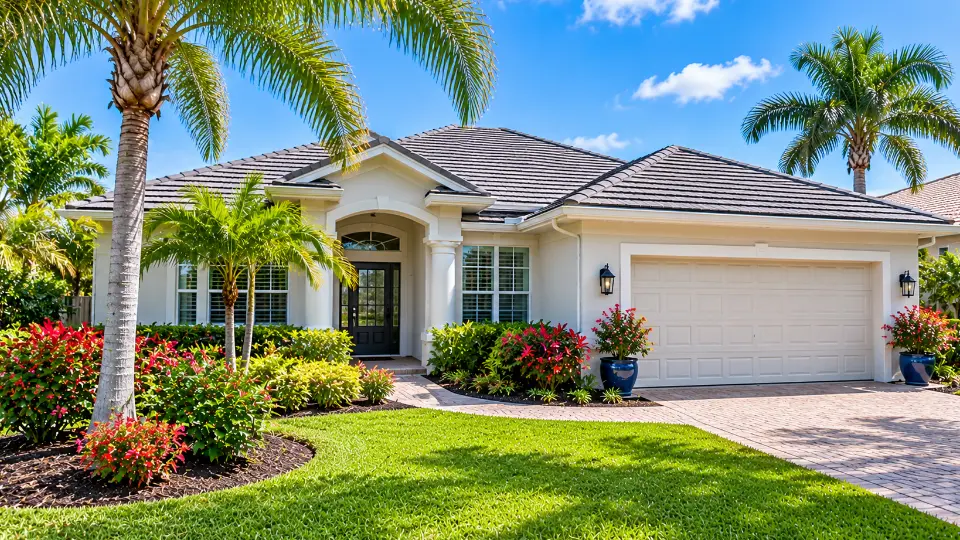
Yes, a new roof can lower homeowners insurance costs in Florida, but a lower premium is not guaranteed. Florida insurers may consider a roof's age, condition, type and construction when determining eligibility and pricing. A new roof can also include or document wind-resistant construction features that qualify for wind mitigation credits. The actual savings depend on the property, roof installation, insurer, policy and documented mitigation features. Homeowners should obtain an updated wind mitigation inspection when appropriate and ask their insurance professional to calculate the property-specific premium before assuming a roof replacement will produce a particular discount.
Quick Answers About New Roofs and Florida Homeowners Insurance
Does replacing a roof lower homeowners insurance in Florida?
It can. Florida consumer guidance identifies roof age as a potential insurance discount and states that the discount can vary by company based on the roof's age, condition and type. A new roof can also affect underwriting and documented wind mitigation features, but the insurer determines the actual premium.
How much will a new roof lower my Florida insurance?
There is no universal percentage or dollar amount. Savings depend on the insurance company, property, roof, coverage, deductible and qualifying mitigation features. Ask a qualified insurance professional to quote the home with the documented new roof rather than relying on a general savings estimate.
Does a new roof automatically qualify for wind mitigation discounts?
No. Roof covering is only one part of Florida wind mitigation. Roof-deck attachment, roof-to-wall connections, roof geometry, secondary water resistance and opening protection can also affect available credits. The qualifying features must be properly documented and evaluated under the insurer's applicable rating methodology.
Should I get a new wind mitigation inspection after replacing my roof?
It can be useful because a roof replacement may change characteristics documented on the Florida Uniform Mitigation Verification Inspection Form. Ask your insurance agent or carrier whether an updated inspection is needed and which documentation the insurer requires before ordering one.
Does roof age matter for Florida homeowners insurance?
Yes. Florida insurance regulators identify roof age, type and construction as underwriting considerations. Current Florida law also contains protections involving insurance decisions based solely on roof age, so an older roof should not automatically be treated as uninsurable.
Can an insurer require a 15-year-old Florida roof to be replaced?
Not solely because it has reached that age without allowing the statutory inspection process. For a roof at least 15 years old, Florida law requires an insurer to allow an authorized roof inspection at the homeowner's expense before requiring replacement as a condition of issuing or renewing a homeowners policy. If the authorized inspection indicates at least five years of useful life remaining, the insurer may not refuse issuance or renewal solely because of roof age.
Is replacing a roof worth it just for the insurance savings?
Do not assume so. A roof replacement may improve insurability, reduce maintenance risk and potentially lower insurance costs, but the premium reduction alone may or may not justify the project cost. Obtain roof estimates and insurance scenarios before making a financial decision based on expected savings.
Does a new roof make a Florida home easier to sell?
A documented newer roof can remove an important maintenance and insurance question for some buyers, but it does not guarantee a higher sale price or easier transaction. Buyers still need to evaluate the roof's installation, condition, permits, insurance implications and the rest of the property.
Why Can a New Roof Affect Florida Homeowners Insurance?
A roof can affect Florida homeowners insurance because insurers evaluate both the likelihood of damage and the characteristics that may reduce windstorm losses. The Florida Department of Financial Services explains that insurers may review the age, type and construction of the roof during underwriting.
A roof is a critical part of the building envelope. When severe wind damages or removes roofing materials, water intrusion can create additional damage inside the home. That makes the roof relevant to both property condition and insurance risk.
Florida's Department of Financial Services also identifies roof age as a potential insurance discount. Its consumer guidance explains that the availability and amount of that discount vary by company and depend on the roof's age, condition and type, with the discount typically applying only to roofs less than 10 years old.
How Much Can a New Roof Save on Florida Home Insurance?
There is no responsible statewide percentage that can tell every Florida homeowner how much a new roof will reduce insurance premiums. The result is property-specific and insurer-specific.
A homeowner may experience savings because of roof age, qualifying wind mitigation characteristics or changes in underwriting eligibility. Another homeowner could replace a roof and see a smaller reduction because other factors continue to influence the premium.
Florida consumer guidance identifies several factors insurers can use when developing or applying homeowners insurance rates, including:
- Property location
- Amount of dwelling coverage
- Construction characteristics
- Roof characteristics
- Qualifying wind mitigation features
- Prior insurance and other underwriting considerations
- Applicable surcharges and credits
For that reason, homeowners considering a roof replacement primarily for insurance purposes should request property-specific scenarios from their insurance agent or carrier. The relevant question is not simply whether new roofs save money, but what the actual insurer will charge for the actual property after the documented work is completed.
What Is the Difference Between a Roof-Age Discount and a Wind Mitigation Discount?
Roof age and wind mitigation are related insurance considerations, but they are not the same thing. A newer roof may receive favorable treatment based on age, while wind mitigation credits depend on documented construction features that reduce windstorm loss.
Florida Statute 627.0629 requires residential property insurance rate filings to include actuarially reasonable discounts, credits or other applicable rate adjustments for qualifying windstorm mitigation techniques.
The statute identifies construction techniques involving areas such as wind-uplift prevention, roof strength, roof-covering performance, roof-to-wall strength and opening protection. A roof replacement can affect some of those characteristics, but it does not automatically change all of them.
Which Roof Features Can Affect Wind Mitigation Credits?
Florida wind mitigation evaluates more than the date printed on a roofing invoice. The state's current consumer guidance identifies multiple construction characteristics that can affect available wind mitigation credits.
Roof Covering
Qualifying roof coverings that meet applicable Florida Building Code standards can contribute to wind mitigation credits. The specific material alone does not establish the credit, so documentation and applicable standards matter.
Roof-Deck Attachment
The way the roof deck is attached to the supporting structure is another wind mitigation characteristic. Fastener type, size and spacing can affect how the attachment is documented.
Roof-to-Wall Connections
Connections between the roof structure and walls can include clips, single wraps, double wraps and other configurations. These connections help resist uplift forces and are evaluated separately from the roof covering itself.
Roof Geometry
Roof shape is another characteristic evaluated for wind mitigation. Florida consumer guidance identifies a qualifying hip roof as a wind-resistant roof geometry that can affect mitigation credits.
Secondary Water Resistance
Certain qualifying secondary water-resistance systems can help limit water intrusion if the primary roof covering is damaged. Whether a particular installation qualifies should be documented through the appropriate inspection and supporting records.
Hunt Brothers Realty's Florida wind mitigation and insurance guide explains these features and their role in the insurance process in more detail.
Does Replacing the Shingles Automatically Maximize Your Insurance Discount?
No. Replacing the roof covering does not automatically give a Florida home every available wind mitigation credit. The roof covering is only one characteristic evaluated on the state's Uniform Mitigation Verification Inspection Form.
For example, a reroof may provide an opportunity to improve or document roof-deck attachment or secondary water resistance. Roof-to-wall connections may already exist or may require different work. Roof geometry generally does not change simply because the covering is replaced. Window, door and other opening protection is also separate from the roof replacement.
Before authorizing additional construction specifically to obtain insurance savings, homeowners should ask a qualified insurance professional which documented features could affect the policy and discuss the construction details with the appropriate licensed roofing contractor, contractor, engineer or other qualified professional.
Should You Get a Wind Mitigation Inspection After a New Roof?
An updated wind mitigation inspection can be useful after a roof replacement when the project changes or provides new documentation for qualifying mitigation features. The insurance company ultimately determines which credits apply.
Florida uses the Uniform Mitigation Verification Inspection Form to document qualifying mitigation characteristics for insurance purposes. Supporting documentation can be important because the form requires validation of specified construction and mitigation attributes.
Homeowners should retain useful roof records, which may include:
- Roofing contract and final invoice
- Permit information
- Product information and approvals when applicable
- Documentation of roof-deck work
- Documentation of secondary water resistance when installed
- Photographs taken during construction when useful
- Final inspection or permit records
- Updated wind mitigation report when obtained
For a broader explanation of the inspection itself, see Hunt Brothers Realty's 2026 Florida wind mitigation inspection guide.
Does Florida Law Require Insurance Discounts for Wind Mitigation?
Florida law requires residential property insurance rate filings to recognize qualifying windstorm mitigation through actuarially reasonable discounts, credits, other rate differentials or appropriate deductible reductions. That does not mean every roof replacement receives the same discount.
Under Florida Statute 627.0629, qualifying construction techniques include features that enhance wind-uplift prevention, roof strength, roof-covering performance, roof-to-wall strength and other storm-resistance characteristics.
Florida Statute 627.711 also requires insurers to notify applicable residential property insurance applicants and policyholders about available hurricane-loss-mitigation premium discounts, credits and related rate adjustments.
What Does Florida's 15-Year Roof Rule Actually Mean?
Florida's roof-age law does not say that every roof must be replaced at 15 years. Current law places limits on an insurer's ability to refuse to issue or renew a homeowners policy solely because of roof age.
Under Florida Statute 627.7011, an insurer may not refuse to issue or renew a homeowners policy on a residential structure with a roof less than 15 years old solely because of the roof's age.
For a roof that is at least 15 years old, the insurer must allow the homeowner to have an inspection performed by an authorized inspector at the homeowner's expense before requiring roof replacement as a condition of issuance or renewal. If that authorized inspection indicates the roof has at least five years of useful life remaining, the insurer may not refuse to issue or renew the policy solely because of roof age.
These protections concern decisions based solely on roof age. They do not require an insurer to disregard roof condition, other underwriting requirements or other lawful reasons affecting eligibility. Homeowners with a specific coverage or renewal issue should review it directly with their insurance professional and obtain legal guidance when interpretation of insurance rights is necessary.
Is an Older Roof Automatically Uninsurable in Florida?
No. Roof age by itself does not establish that a Florida home is uninsurable. Age can be an important underwriting consideration, but condition, material, construction, documentation, remaining useful life and insurer guidelines can also matter.
An older home may also trigger requests for additional documentation. Florida's Department of Financial Services notes that an insurer may request a four-point inspection for an older home, typically addressing the roof, electrical system, plumbing and heating or air-conditioning system.
Hunt Brothers Realty's Florida four-point inspection guide explains why this insurance inspection is different from a general home inspection and a wind mitigation inspection.
What Should Florida Home Buyers Ask About the Roof?
Florida buyers should investigate both the physical condition of the roof and its effect on the insurance options available for the property. Those are related questions, but they require different professional evaluations.
Before buying, useful roof questions can include:
- When was 100 percent of the roof last replaced?
- What roof covering is installed?
- Are permits and contractor records available?
- What is the current physical condition?
- Are there signs of leaks, repairs or deterioration?
- Is a current four-point inspection available or required?
- Is a wind mitigation report available?
- What roof-deck attachment is documented?
- What roof-to-wall connection is documented?
- Is qualifying secondary water resistance documented?
- How does the prospective insurer treat the roof?
- What will the actual policy cost with the current roof?
For a more detailed property review, see Hunt Brothers Realty's guide to evaluating a roof before buying a home and guide to roof age when buying a Florida home.
Why Should Buyers Get an Insurance Quote Before Closing?
The seller's homeowners insurance premium does not tell a buyer what the buyer will pay. Coverage selections, deductibles, discounts, underwriting circumstances and insurer guidelines can differ.
Two homes with similar prices can have very different insurance profiles because of differences in roof age, construction, wind mitigation, location, replacement cost, flood exposure and other underwriting considerations.
Hunt Brothers Realty's guide to shopping for Florida homeowners insurance explains why buyers should investigate insurance early enough to understand potential underwriting requirements before closing.
Should a Seller Replace an Older Roof Before Listing?
Not automatically. Whether replacing a roof before selling makes sense depends on the roof's condition, remaining useful life, buyer financing and insurance implications, expected sale price, project cost and local market conditions.
A newer roof can reduce uncertainty for buyers if an aging roof is creating inspection or insurance concerns. However, sellers should not assume that every dollar spent on a roof will be recovered through a higher sale price or that the buyer will receive a specific insurance discount.
Before replacing a roof primarily to prepare a property for sale, a homeowner can discuss the real estate implications with a licensed real estate professional, the roof condition and replacement options with an appropriately licensed roofing professional, and potential insurance effects with a qualified insurance professional.
What Records Should You Keep After Replacing a Florida Roof?
Keep documentation that establishes what work was performed, when it was completed and which construction features were installed. Good records can be useful for future insurance underwriting, inspections, maintenance and a later real estate sale.
Useful records may include the roofing contract, invoices, permit history, final inspection records, manufacturer information, warranties, product approvals, photographs and documentation of mitigation improvements. If a new wind mitigation inspection is completed, retain that report and the supporting documentation as well.
The Florida Office of Insurance Regulation's current Uniform Mitigation Verification Inspection Form specifically addresses documentation used to validate qualifying mitigation attributes.
Does a New Roof Eliminate the Need to Compare Insurance Companies?
No. A new roof is one property characteristic, not a universal insurance price. Florida consumer guidance makes clear that underwriting guidelines and discounts can vary among insurance companies.
When comparing quotes, homeowners should compare more than the premium. Coverage limits, deductibles, exclusions, endorsements and other policy terms can differ. A cheaper policy is not necessarily equivalent coverage.
Review the actual proposed coverage with a qualified insurance professional and ask which roof-age and mitigation credits have been applied to each quote.
Does a New Roof Affect Flood Insurance?
A new roof should not be treated as a substitute for evaluating flood insurance. Wind damage and flooding are different insurance risks, and most homeowners policies exclude flood damage from rising water.
This distinction is particularly important for Sarasota and Florida Gulf Coast buyers. A home can have a recently replaced roof and favorable wind mitigation characteristics while still having meaningful flood exposure based on its location and elevation.
Buyers should investigate homeowners, wind and flood coverage separately and obtain property-specific insurance information before making a purchasing decision.
The Bottom Line: Will a New Roof Lower Your Florida Insurance?
A new roof can lower Florida homeowners insurance costs, improve the home's underwriting profile and create opportunities for wind mitigation credits, but the amount of savings is never automatic. Roof age is only one part of the insurance calculation.
The best result can depend on what was installed and documented during the reroof. Qualifying roof covering, roof-deck attachment, roof-to-wall connections and secondary water resistance can affect the wind mitigation picture, while roof geometry and opening protection remain separate characteristics.
If insurance savings are part of the reason you are considering a roof replacement, obtain a property-specific insurance estimate before relying on an assumed discount. If you already replaced the roof, ask whether updated roof records or a new wind mitigation inspection could document credits that are not reflected in your current policy.
Buying or Selling a Florida Home With Roof Questions?
Hunt Brothers Realty helps buyers and sellers evaluate the real estate implications of roof age, property condition and other ownership considerations throughout Sarasota and Florida's Gulf Coast.
Buyers can review our guides to roof age when buying a Florida home, wind mitigation and Florida insurance costs, four-point inspections and when to shop for homeowners insurance.
If you are comparing Florida homes and want help understanding how roof age and other property characteristics fit into the real estate decision, contact Hunt Brothers Realty.
Informational notice: This article provides general real estate and educational information only and is not individualized insurance, legal, financial, construction, roofing, inspection or engineering advice. Insurance availability, underwriting requirements, coverage, deductibles, discounts and premiums can vary substantially by property, insurer and policy. Homeowners and buyers should obtain property-specific quotes and review coverage and available credits with a qualified Florida insurance professional. Roof condition, replacement specifications and mitigation improvements should be evaluated with the appropriate licensed roofing contractor, inspector, engineer or other qualified professional before making a property or construction decision. Questions involving individual insurance rights or statutory interpretation should be reviewed with an appropriate qualified legal professional.
Sources
- Florida Department of Financial Services, Tips for Shopping for Homeowners Insurance
- Florida Department of Financial Services, Homeowners Insurance Overview
- Florida Department of Financial Services, Property Insurance Changes
- Florida Department of Financial Services, Premium Discounts for Hurricane Loss Mitigation
- 2026 Florida Statutes, Section 627.0629
- 2026 Florida Statutes, Section 627.7011
- 2026 Florida Statutes, Section 627.711
- Florida Office of Insurance Regulation, Uniform Mitigation Verification Inspection Form
- Hunt Brothers Realty, Florida Wind Mitigation Inspections and Insurance Savings
- Hunt Brothers Realty, How Old Is Too Old for a Roof When Buying a Florida Home?
Hunt Brothers Realty
46 N. Washington Blvd, Ste 3, Sarasota, FL 34236
Phone: (941) 388-7017
Email: info@huntbrothersrealty.com
Website: HuntBrothersRealty.com
Categories
- All Blogs 2734
- Anna Maria Island 93
- Bird Key 6
- Bradenton 243
- Buying a Home 1744
- Casey Key 4
- Clearwater 17
- Condos & HOA Living 1683
- Ellenton 9
- Englewood 16
- First Time Homebuyers 1869
- Foreclosures 4
- Home Selling 12
- Homeownership 1918
- Lakewood Ranch 38
- Lido Key 29
- Longboat Key 81
- Luxury/Waterfront Properties 1861
- Market Updates & Trends 1360
- Mortgages & Financing 91
- Move-Up Buyers 25
- Neighborhood Guides 1489
- New Construction 48
- Palmetto 4
- Parrish 39
- Port Charlotte 36
- Punta Gorda 165
- Real Estate Investing 1774
- Relocation to Florida 1802
- Safety Harbor 4
- Sarasota 178
- Sarasota - Downtown 177
- Selling a Home 149
- Siesta Key 95
- St. Petersburg 13
- Taxes and Homestead 7
- Tierra Verde 7
- Vacation & Second Homes 1967
- Venice 225
- Wellen Park 24
Recent Posts