How Old Is Too Old for a Roof When Buying a Home in Florida?
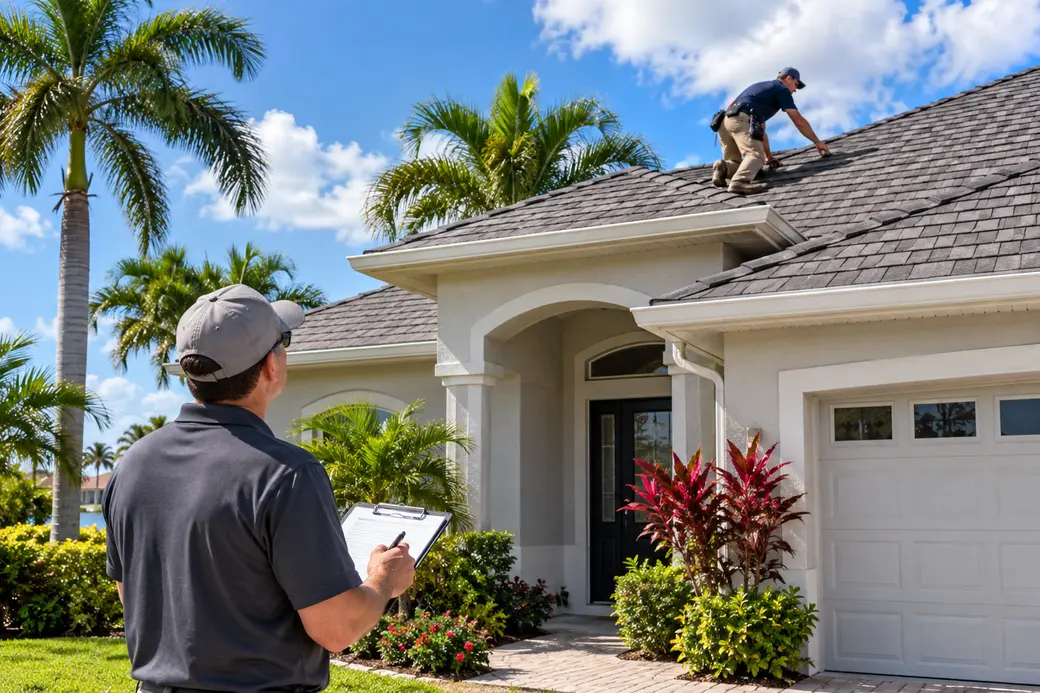
There is no single roof age that automatically makes a Florida home too old to buy. A 15-year-old roof deserves closer investigation, particularly because Florida insurance law specifically addresses roofs at that age, but age alone does not determine whether a roof needs replacement or whether a property can be insured. Buyers should evaluate the roof's material, installation date, permits, physical condition, remaining useful life and effect on property-specific insurance. In Florida, the most useful question is not simply, "How old is the roof?" It is, "What does this particular roof mean for the home I am considering buying?"
Quick Answers About Roof Age When Buying a Home in Florida
Is a 15-year-old roof too old in Florida?
Not automatically. Under current Florida law, an insurer may not refuse to issue or renew a homeowners policy solely because a roof is less than 15 years old. Once a roof is at least 15 years old, roof condition and documented remaining useful life can become particularly important, and buyers should obtain property-specific insurance information before making a purchasing decision.
Does a Florida roof have to be replaced at 15 years?
No. Florida law does not establish a universal rule requiring every residential roof to be replaced when it reaches 15 years. For certain homeowners insurance situations involving roofs at least 15 years old, the law provides an inspection process that considers whether the roof has at least five years of useful life remaining.
Can you insure a Florida home with an older roof?
Potentially, yes. Insurance eligibility depends on the property, roof, insurer and applicable underwriting requirements. Buyers should obtain quotes for the specific property rather than assuming an older roof is either insurable or uninsurable based solely on age.
Is a 20-year-old shingle roof a concern when buying?
It deserves careful investigation. A 20-year-old shingle roof may have substantial service life behind it, but its actual condition can vary based on installation, material, maintenance, weather exposure and repairs. A qualified inspector or roofing professional should evaluate the roof, and the buyer should obtain property-specific insurance information.
Are tile and metal roofs treated the same as shingle roofs?
No. Roofing materials can have different service characteristics, and insurance underwriting standards can distinguish among roof types. Citizens Property Insurance Corporation, for example, currently publishes different age thresholds for shingle and other softer roof coverings than for tile, slate, clay, concrete and metal roofs.
What should I ask about the roof before buying a Florida home?
Ask when the roof was installed, what material was used, whether permits and invoices are available, whether repairs or storm damage occurred, what an inspection says about its condition, and how the roof affects insurance options. Hunt Brothers Realty's guide to what to look for in a roof before buying a home provides a broader roof due-diligence checklist.
Should I get an insurance quote before buying a home with an older roof?
Yes. Insurance availability, premiums, deductibles and coverage can vary substantially from one property and insurer to another. Obtain property-specific quotes early enough to understand the roof's insurance implications before your contractual deadlines expire.
Why Is 15 Years an Important Roof Age in Florida?
Fifteen years matters because current Florida Statute 627.7011 specifically addresses roof age in homeowners insurance underwriting. The statute states that an insurer may not refuse to issue or renew a homeowners policy solely because a residential structure has a roof less than 15 years old.
For a roof that is at least 15 years old, the statute requires an insurer to allow the homeowner to obtain an inspection by an authorized inspector, at the homeowner's expense, before requiring roof replacement as a condition of issuing or renewing the policy. If that inspection indicates the roof has at least five years of useful life remaining, the insurer may not refuse to issue or renew the policy solely because of roof age.
That does not mean every 15-year-old roof qualifies for every policy or insurer. Other underwriting considerations can apply, and the statute does not make age the only factor an insurance company may consider. Buyers should discuss the specific property with a qualified insurance professional.
Does a Roof Have to Be Replaced Just Because It Is 15 Years Old?
No. Reaching 15 years does not create a universal Florida requirement that a residential roof must immediately be replaced. The condition of the roof and its remaining useful life can be important, particularly when insurance underwriting is involved.
This distinction is important for buyers. A well-maintained older roof with favorable professional findings can present a different situation from a younger roof showing leakage, deterioration, poor installation or storm damage. Calendar age is useful information, but it is not a substitute for evaluating the actual roof.
Hunt Brothers Realty's guide to Florida home inspection red flags explains why roof age should be considered alongside physical condition, plumbing, electrical systems and other property characteristics.
What Does Remaining Useful Life Mean for a Florida Roof?
Remaining useful life is a professional estimate of how much serviceable life a roof has left based on its current condition and other relevant characteristics. It is not simply a calculation that subtracts the roof's age from a generic lifespan.
Citizens Property Insurance Corporation explains that older roofs subject to its applicable requirements can require documentation showing at least five years of remaining useful life. Citizens relies on qualified professionals to evaluate roof condition and useful life.
A buyer should not estimate remaining useful life independently. When this information affects insurance, repair planning or a purchasing decision, obtain the appropriate inspection and review the findings with the applicable licensed inspector, roofing professional and insurance professional.
How Does Roof Material Change the Age Question?
Roof material matters because asphalt shingles, tile, metal, slate and other roofing systems do not age identically. Installation quality, ventilation, maintenance, exposure, repairs and individual materials can also produce substantial differences between two roofs of the same chronological age.
What about an older shingle roof?
An older asphalt shingle roof deserves careful evaluation for deterioration such as missing or damaged shingles, curling, granule loss, prior repairs and evidence of leakage. Age can also become relevant to insurance underwriting, so buyers should investigate both physical condition and insurance options.
What about tile, concrete or metal roofs?
These roof types can present a different age profile, but buyers should not assume that a durable roof covering means the entire roofing system is problem-free. The covering, underlayment, flashing, fasteners, decking, prior repairs and other components can matter. A qualified professional should evaluate the specific system rather than relying on a generic lifespan estimate.
What Are Citizens' Current Roof Age Requirements?
As of 2026, Citizens publishes roof-age eligibility guidance requiring documentation of full roof replacement for homes with shingle or certain other roof types more than 25 years old and for homes with tile, slate, clay, concrete or metal roofs more than 50 years old, subject to exceptions. Citizens states that documentation showing at least five years of remaining useful life may be submitted for underwriting review.
These are Citizens guidelines, not a universal rule for every Florida insurance company. Private insurers can have different underwriting requirements, and eligibility can depend on more than roof age. Buyers should not use the Citizens thresholds to predict whether another insurer will write a policy or what that policy will cost.
This is why shopping for Florida homeowners insurance early in the buying process can be important. A quote for the actual property provides more useful information than a generalized assumption about roof age.
What Should You Look for Besides the Roof's Age?
The roof's documented history and present condition can be more informative than age alone. Buyers should investigate the installation date and then determine what has happened to the roof since installation.
- Roofing material and type
- Documented installation or replacement date
- Permit history when available
- Visible deterioration or damage
- Evidence of current or previous leaks
- Previous repairs and their scope
- Storm-related damage or repair history
- Professional assessment of remaining useful life when applicable
- Insurance documentation requirements
- Potential timing and cost of future replacement
A home showing can identify questions, but it is not a professional roof inspection. Hunt Brothers Realty's Florida home showing guide recommends asking about roof age, material, permits and documentation while leaving technical roof evaluation to qualified professionals.
Can an Older Roof Affect Homeowners Insurance?
Yes. Roof age and condition can affect insurance underwriting, documentation requirements, available coverage and potentially the cost of insuring a Florida home. The effect is property-specific, and buyers should avoid assuming that the seller's existing policy or premium will transfer to them.
A roof can therefore create two separate financial questions. The first is how soon the buyer may need to pay for repairs or replacement. The second is whether the existing roof affects the insurance options and premiums available immediately after purchase.
Insurance availability, coverage, deductibles and premiums can vary substantially by property and insurer. Buyers should obtain property-specific quotes and review the roof and proposed coverage with a qualified insurance professional before making a purchasing decision.
Should You Walk Away From a Florida Home Because the Roof Is Old?
An older roof by itself does not determine whether a home is an appropriate purchase. The more useful approach is to identify the roof's condition, remaining useful life, insurance implications and potential replacement cost, then evaluate those facts together with the property's price and the rest of the home.
For example, an established home with an older roof may also have an updated electrical system, newer plumbing, newer HVAC equipment, storm-protection improvements and other valuable updates. Conversely, a newer roof does not eliminate the need to inspect the rest of the property. Hunt Brothers Realty's comparison of older Florida homes and new construction explains why buyers should evaluate major systems individually rather than judging a property solely by its construction year.
What If the Inspection Finds Roof Problems?
If a home inspection identifies roof deterioration, leakage, damage or limited remaining useful life, the finding may justify additional evaluation by a qualified roofing professional. A general home inspector may identify a concern without determining its complete cause, repair scope or replacement cost.
What a buyer can do after receiving an inspection report depends on the purchase contract, applicable deadlines and the particular facts of the transaction. Hunt Brothers Realty's guide to what happens when a Florida home inspection finds problems explains why specialist evaluations should be coordinated promptly when additional investigation is needed.
Questions about inspection rights, repair obligations, credits, contract cancellation, deadlines or other legal consequences should be reviewed with the appropriate licensed real estate professional and, when legal advice is needed, a qualified Florida real estate attorney.
What Roof Documents Should a Florida Buyer Request?
Documentation can help establish when work occurred and what was installed. Availability varies by property, but useful records can include permits, paid invoices, roofing contracts, warranties, prior inspection reports and documentation relating to storm repairs or insurance claims when appropriately available.
- Roof replacement permit
- Contractor invoice or paid receipt
- Roofing material information
- Transferable warranty information, if applicable
- Prior roof inspection documentation
- Wind-mitigation inspection when available
- Documentation for significant repairs
Documentation should be reviewed for the specific purpose for which it is being used. An insurance agent can explain what an insurer requires, while a licensed inspector or roofing contractor can address physical condition. Questions involving permits should be verified through the appropriate local government or permitting authority.
What Is the Best Rule for Florida Home Buyers?
Do not use a single roof age as an automatic pass-or-fail test. Instead, determine the roof's documented age, identify the material, evaluate its current condition, investigate remaining useful life when relevant, estimate potential future replacement needs and obtain insurance information for the actual property.
This approach is especially useful when buying along Florida's Gulf Coast, where roof condition, wind exposure, storm-protection features and insurance can materially affect ownership costs. Buyers considering coastal properties can also review Hunt Brothers Realty's questions to ask before buying a home near the Florida coast.
Buying a Home on Florida's Gulf Coast?
Roof age is one part of evaluating a Florida home. Buyers may also need to consider insurance, flood exposure, storm protection, inspections, financing, association obligations and the condition of other major systems. Hunt Brothers Realty helps buyers evaluate homes and explore communities throughout Sarasota and Florida's Gulf Coast.
If you are comparing properties in Sarasota, Bradenton, Siesta Key, Longboat Key, Lakewood Ranch or surrounding Gulf Coast communities, contact Hunt Brothers Realty for assistance with the real estate side of your home search and coordination of property-specific due diligence.
Informational note: This article provides general real estate information and is not individualized insurance, legal, inspection, engineering, construction, financial or other professional advice. Roof condition and remaining useful life should be evaluated by appropriately qualified inspectors or roofing professionals. Insurance availability, underwriting, coverage and premiums should be verified with a qualified insurance professional for the specific property. Contract and legal questions should be reviewed with the appropriate licensed real estate professional and a qualified Florida real estate attorney when legal advice is required.
Sources
- Florida Legislature, Florida Statute 627.7011
- Florida Legislature, Florida Statute 627.7018
- Citizens Property Insurance Corporation, Property Inspection and Older Roof Guidance
- Citizens Property Insurance Corporation, Personal Residential Roof Age Requirements
- Hunt Brothers Realty, What to Look for in a Roof Before Buying a Home
- Hunt Brothers Realty, Florida Home Inspection Red Flags
- Hunt Brothers Realty, When Should Florida Home Buyers Shop for Homeowners Insurance?
Contact Hunt Brothers Realty
46 N. Washington Blvd, Ste 3, Sarasota, FL 34236
Phone: (941) 388-7017
Email: info@huntbrothersrealty.com
Website: HuntBrothersRealty.com
Categories
- All Blogs 1486
- Anna Maria Island 68
- Bird Key 3
- Bradenton 82
- Buying a Home 634
- Casey Key 2
- Clearwater 5
- Condos & HOA Living 537
- Ellenton 4
- Englewood 5
- First Time Homebuyers 709
- Foreclosures 3
- Homeownership 689
- Lakewood Ranch 15
- Lido Key 24
- Longboat Key 65
- Luxury/Waterfront Properties 626
- Market Updates & Trends 311
- Mortgages & Financing 31
- Move-Up Buyers 20
- Neighborhood Guides 462
- New Construction 24
- Palmetto 2
- Parrish 4
- Port Charlotte 7
- Punta Gorda 11
- Real Estate Investing 560
- Relocation to Florida 610
- Safety Harbor 2
- Sarasota - Downtown 128
- Selling a Home 136
- Siesta Key 87
- St. Petersburg 3
- Tierra Verde 4
- Vacation & Second Homes 744
- Venice 21
- Wellen Park 7
Recent Posts