What Questions Should I Ask a Realtor Before Buying a Home in Florida?
Before buying a home in Florida, ask your Realtor about their local experience, brokerage relationship, compensation, home-search strategy, property values, insurance costs, flood risks, inspections, association restrictions, contract deadlines, and closing expenses. You should also ask how they identify potential problems, negotiate offers, coordinate with other professionals, and communicate throughout the transaction. Florida buyers face property-specific considerations involving hurricanes, homeowners insurance, flood exposure, condominium associations, and property taxes. A knowledgeable Realtor can help you investigate these issues, but qualified inspectors, lenders, insurance agents, attorneys, and other specialists should verify matters within their professional expertise before you make a purchasing decision.
Buying a home is one of the largest financial decisions many people make. Choosing the right real estate professional can influence how confidently you navigate the process, particularly in a market as varied as Florida.
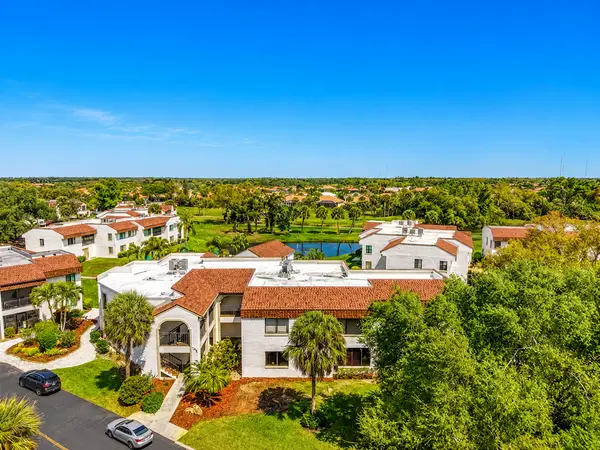
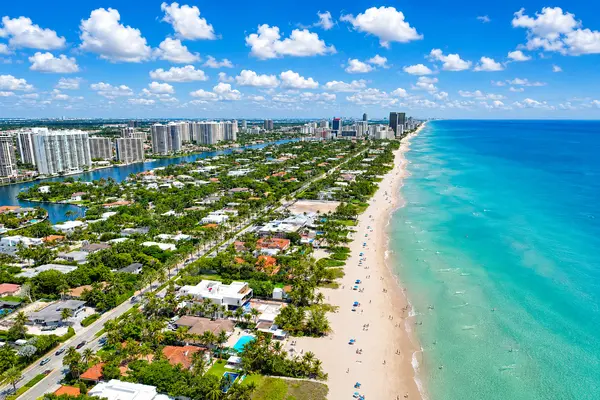
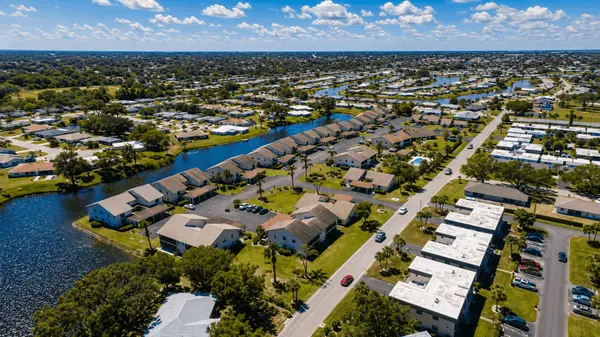
A buyer considering a waterfront home in Sarasota may need to investigate different issues than someone purchasing a condominium in Venice, a newer home in Lakewood Ranch, or a single-family property in Punta Gorda.
The questions below can help you evaluate a Realtor before committing to work together and continue asking the right questions as you move toward closing.
Quick Answers About Choosing a Realtor in Florida
What Is the Most Important Question to Ask a Realtor Before Buying?
Ask: How will you help me evaluate properties and protect my interests throughout the buying process? A useful answer should explain the agent's services, brokerage relationship, research process, negotiation approach, and coordination with qualified professionals.
Do I Need a Buyer's Agent to Purchase a Home in Florida?
Florida buyers are not universally required to hire a buyer's agent. However, working with a licensed real estate professional can provide assistance with property searches, market comparisons, offers, negotiations, and transaction coordination. Buyers should understand the brokerage relationship and any agreement before proceeding.
Do I Have to Sign an Agreement Before Touring Homes?
Under applicable National Association of Realtors settlement-related practice rules, covered MLS participants working with buyers generally must enter into a written buyer agreement before touring a home together. The requirement depends on the circumstances, and not every open-house visitor must sign an agreement. Ask the agent to explain the document before signing.
Who Pays the Buyer's Realtor in Florida?
Buyer-broker compensation is negotiable. Depending on the agreements and transaction, payment may come from the buyer, seller, listing brokerage, or a permitted combination. Buyers should understand their contractual payment obligations and discuss financing limitations with their lender.
Should I Ask About Flood Zones Before Buying a Florida Home?
Yes. Ask about the property's flood-zone designation, available flood history, seller disclosures, and whether flood insurance may be required. Flood exposure is property-specific, and buyers should verify maps, coverage, and premiums with appropriate government resources and qualified insurance professionals.
What Should I Ask About Florida Homeowners Insurance?
Ask about the roof's age, available permits, wind-mitigation features, inspection requirements, and any known insurance-related concerns. Obtain quotes from a qualified insurance professional for the specific property rather than relying on the seller's premium.
Can a Realtor Tell Me Whether a House Is Structurally Sound?
A Realtor can help identify questions and coordinate inspections, but should not substitute their opinion for a qualified home inspector, structural engineer, or other appropriate specialist. Material concerns should be professionally evaluated before the buyer makes a decision.
Should I Ask About HOA Fees and Special Assessments?
Absolutely. Ask about regular assessments, special assessments, association rules, insurance responsibilities, reserves, and available financial documents. Confirm current information directly with the condominium or homeowners association and obtain appropriate professional guidance when needed.
Questions to Ask Before Choosing a Florida Realtor
1. How Much Experience Do You Have Helping Buyers in This Area?
Florida real estate markets vary considerably by location, property type, and neighborhood.
An agent familiar with Sarasota condominiums may have different experience than an agent who primarily handles inland single-family homes or waterfront properties in Punta Gorda.
Ask how frequently the agent works with buyers in your preferred communities and whether they have experience with your intended property type.
Helpful follow-up: Can you explain the most important differences between the neighborhoods I am considering?
2. What Type of Brokerage Relationship Will We Have?
This is one of the most important questions in a Florida real estate transaction.
Florida recognizes different brokerage relationships, including transaction brokerage, single agency, and no brokerage relationship.
Under Florida Statutes Section 475.278, these relationships carry different duties and disclosure requirements.
Florida generally presumes transaction brokerage unless another applicable relationship is established through the required disclosure process. Transaction brokerage provides limited representation rather than the full fiduciary relationship associated with single agency.
Ask your Realtor to explain which relationship applies, what duties are owed, how confidentiality works, and what happens if the brokerage is involved with both sides of a transaction.
For additional background, review Florida Realtors' explanation of transaction brokerage.
3. What Will I Be Required to Sign Before We Start Looking at Homes?
Ask to review any buyer agreement before your first scheduled tour.
Important terms to understand include:
- The services the brokerage will provide
- Whether the agreement is exclusive
- The geographic area or properties covered
- The agreement's duration
- Brokerage compensation
- Termination and expiration provisions
- Any obligations that may continue after expiration
These terms can affect your rights and financial obligations. Read the agreement carefully and consult a qualified Florida real estate attorney if you need individualized legal guidance.
Learn more from Florida Realtors' buyer agreement FAQs.
4. How Does Your Brokerage Compensation Work?
Do not assume the seller automatically pays the buyer's real estate professional.
Brokerage compensation is negotiable and is not established by Florida law at a standard percentage.
Ask:
- How much compensation does the agreement require?
- Who may pay that compensation?
- What happens if the seller or listing brokerage does not cover the agreed amount?
- Are there any additional brokerage fees?
- How will compensation appear in the closing documents?
Some transactions may involve negotiated seller contributions or separate compensation arrangements. Buyers should review the terms with their Realtor and confirm any financing implications with their lender.
See Florida Realtors' guidance on negotiable compensation.
5. How Will You Communicate With Me During the Purchase?
Clear communication is especially important when contract deadlines, inspection appointments, lender requests, and closing arrangements overlap.
Ask how frequently the agent provides updates, whether they prefer phone calls or email, and who handles questions when they are unavailable.
If you are buying from another state, ask how virtual tours, document review, and remote communication will be coordinated.
Questions About the Florida Housing Market and Property Search
6. What Is Happening in the Local Housing Market?
Ask your Realtor to explain current conditions in the neighborhoods and price ranges you are considering.
Useful information may include recent comparable sales, active listings, pending transactions, price reductions, and the amount of time similar properties spend on the market.
A statewide market headline may not describe what is happening in a specific Sarasota condominium building or Punta Gorda subdivision.
Helpful follow-up: Can you show me recent sales that support your assessment of this neighborhood?
7. How Will You Help Me Determine Whether a Home Is Priced Appropriately?
A listing price is an asking price, not proof of market value.
Ask the agent how they compare properties based on location, condition, size, age, improvements, amenities, and recent sales activity.
For condominium properties, comparisons may also need to account for building condition, association finances, assessments, views, parking, and included amenities.
A Realtor's market analysis is not the same as an independent appraisal. If financing is involved, discuss appraisal requirements and valuation concerns with your lender.
8. Which Neighborhoods Best Match My Priorities and Budget?
The best neighborhood depends on your needs rather than a universal ranking.
Discuss factors such as commute routes, nearby amenities, housing styles, outdoor recreation, association restrictions, and total ownership expenses.
For example, buyers exploring Southwest Florida may compare the urban amenities of downtown Sarasota, coastal access around Venice, newer residential development in Lakewood Ranch, and waterfront recreation near Punta Gorda.
Your Realtor can help identify properties that match objective criteria. Buyers should independently research schools, public services, commute times, and other personal priorities using appropriate official resources.
9. What Important Property Information Should We Investigate Before Making an Offer?
Before submitting an offer, ask which records and disclosures are available and what remains unknown.
Depending on the property, relevant questions may involve:
- Roof age and available replacement records
- Known water intrusion or flood history
- Major repairs and renovations
- Building permits and available final inspections
- Known defects disclosed by the seller
- Property boundaries and survey availability
- Association membership and restrictions
- Insurance-related concerns
A Realtor can help request information and coordinate follow-up, but buyers should not treat listing descriptions or seller statements as substitutes for independent verification.
For a practical walkthrough, see What Should You Look for During a Home Showing in Florida?
Questions About the True Cost of Buying a Florida Home
10. What Will My Total Monthly Housing Cost Be?
A mortgage payment alone does not represent the complete cost of owning a Florida home.
Ask your Realtor which recurring property expenses need to be investigated.
- Mortgage principal and interest
- Property taxes
- Homeowners insurance
- Flood insurance, when applicable
- Mortgage insurance, if required
- HOA or condominium assessments
- Community Development District assessments, where applicable
- Utilities and routine maintenance
Your lender should calculate financing-related payment estimates, your insurance agent should provide property-specific quotes, and the appropriate county offices and associations should verify applicable charges.
Read The True Cost of Buying a Home in Florida: What to Budget Beyond the Mortgage.
11. How Much Should I Budget for Closing Costs?
Florida closing costs vary according to the property, financing, purchase agreement, title arrangements, and prepaid expenses.
Possible costs include lender fees, appraisal charges, title and settlement services, applicable mortgage taxes, recording fees, prepaid insurance, and escrow deposits.
Ask your Realtor which costs are commonly negotiated in the local market and how the purchase contract allocates expenses. Your lender and closing professional should provide transaction-specific estimates.
For a detailed breakdown, read What Are the Closing Costs When Buying a Home in Florida?
12. Will My Property Taxes Change After I Buy the Home?
They may.
The seller's current property tax bill may reflect exemptions, assessment limitations, or other circumstances that will not apply to the buyer in the same way.
Ask your Realtor which county property appraiser serves the home and where you can find current property records and tax-estimation resources.
Buyers should confirm property-specific tax estimates and potential exemption eligibility with the county property appraiser and consult a qualified tax professional when individualized advice is needed.
13. Can We Negotiate Seller Credits or Other Concessions?
Depending on market conditions and the seller's willingness, buyers may negotiate credits toward eligible closing costs or other permitted expenses.
Ask your Realtor how a proposed credit compares with a purchase-price reduction and what the seller may consider.
Your lender must verify whether the credit is permitted under your mortgage program and how it affects financing and cash required at closing.
Learn more in Seller Concessions in Florida: What Can Homebuyers Ask For?
Florida-Specific Questions About Insurance, Flooding, and Property Condition
14. What Should I Know About Homeowners Insurance for This Property?
Insurance is a major Florida-specific consideration because premiums, underwriting requirements, coverage, and availability can differ substantially between properties.
Ask whether information is available about the roof, construction, prior improvements, storm protection, and inspection reports.
Some insurers may request a four-point inspection of an older home, while a wind-mitigation inspection may document features relevant to potential insurance credits.
The Florida Department of Financial Services explains that insurers evaluate property characteristics and may require inspections as part of underwriting.
Important: Obtain property-specific quotes and discuss coverage, exclusions, deductibles, and insurability with a qualified insurance professional before making a purchasing decision.
For additional guidance, see 4-Point Inspections in Florida: What Homebuyers Need to Know.
15. Is the Home in a Flood Zone, and Has It Experienced Flooding?
Ask your Realtor to help locate the property's flood-zone information and obtain the seller's required disclosures.
Under Florida Statutes Section 689.302, sellers of residential real property must provide a specified flood disclosure at or before execution of the sales contract.
The disclosure addresses the seller's knowledge of flooding during ownership and specified flood-related insurance claims or assistance.
A seller disclosure does not guarantee that a property has never flooded or that future flooding will not occur.
Buyers can investigate flood hazards using the FEMA Flood Map Service Center.
A qualified insurance agent and, when appropriate, a surveyor or other relevant professional should verify property-specific flood exposure, coverage requirements, and available insurance options.
16. Which Home Inspections Should I Consider?
Ask your Realtor how inspections are scheduled and which property characteristics may justify additional professional evaluation.
Depending on the home, inspections may involve:
- General home inspection
- Four-point insurance inspection
- Wind-mitigation inspection
- Roof inspection
- Wood-destroying organism inspection
- Pool and equipment inspection
- Septic or well evaluation
- Seawall or dock inspection
- Structural evaluation when concerns warrant it
Not every property needs every inspection. The appropriate scope depends on its age, construction, systems, location, and available records.
A qualified inspector should explain findings, while licensed contractors, engineers, and other specialists should evaluate issues within their expertise.
17. Have Major Repairs or Renovations Been Properly Documented?
Ask whether permits, invoices, warranties, and other records are available for major work.
Potential areas of investigation include roof replacements, additions, electrical work, plumbing modifications, windows, pools, and structural changes.
Your Realtor can help identify the relevant permitting authority and request records, but the local building department and qualified construction professionals should verify permitting and technical compliance questions.
Questions About Florida Condominiums, HOAs, and Community Restrictions
18. Does This Property Have an HOA, Condominium Association, or CDD?
Association membership and community-related charges can materially affect a buyer's budget and use of the property.
Ask about:
- Regular association assessments
- Special assessments
- Community rules and restrictions
- Rental and leasing restrictions
- Pet policies
- Parking and vehicle restrictions
- Maintenance responsibilities
- Transfer or application requirements
A Community Development District is not the same as a homeowners association. Ask the appropriate district or county office to verify any applicable CDD assessments and related obligations.
Florida law addresses specified HOA disclosures in Section 720.401, Florida Statutes.
19. If I Am Buying a Condo, What Documents and Assessments Should I Review?
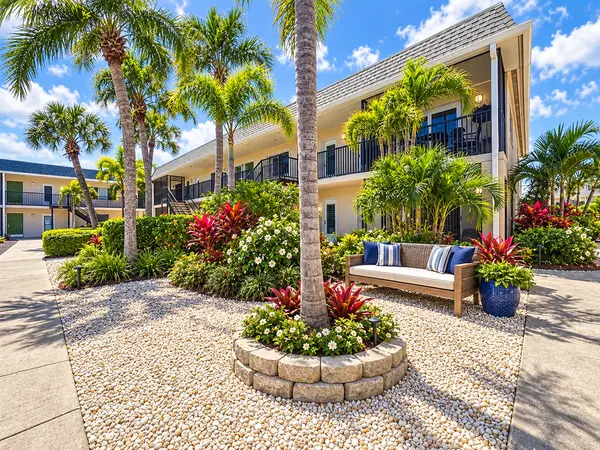
Condominium purchases deserve particular attention because building maintenance, insurance responsibilities, reserves, and assessments can affect long-term ownership costs.
Ask your Realtor how to obtain the available association documents and information concerning:
- Current budgets and financial statements
- Regular assessments and special assessments
- Reserve funding and applicable studies
- Required building inspection reports, when applicable
- Major repair projects
- Association insurance responsibilities
- Pending litigation or other disclosed material matters
- Rental, pet, and occupancy restrictions
Florida condominium disclosure and resale requirements are addressed in Chapter 718, Florida Statutes.
The applicable documents, delivery requirements, and cancellation rights depend on the transaction and current law. Buyers should have a qualified Florida real estate attorney review questions about legal rights and deadlines. Association representatives, qualified inspectors, engineers, and financial professionals should address matters within their respective expertise.
20. Are There Restrictions That Could Affect How I Use the Property?
Before making an offer, explain how you intend to use the home.
If you plan to rent the property, keep a boat, install a fence, renovate, or use the home seasonally, ask which association documents and local rules should be reviewed.
Your Realtor can help identify potential restrictions, but written confirmation should come from the association, local permitting authority, or other appropriate source. Legal interpretation should be left to a qualified attorney.
Questions About Offers, Contracts, and Closing
21. How Will You Help Me Structure and Negotiate an Offer?
A competitive offer involves more than selecting a purchase price.
Ask your Realtor how they evaluate:
- Recent comparable sales
- Current listing competition
- The property's condition
- Financing and appraisal considerations
- Inspection and due-diligence provisions
- Seller concessions
- Closing dates and possession arrangements
A strong Realtor should be able to explain the reasoning behind a proposed negotiation strategy without promising that the seller will accept it.
22. Which Contract Deadlines Could Affect My Deposit or Purchase Rights?
Florida real estate contracts can contain important deadlines involving deposits, inspections, financing, title matters, association documents, and closing.
The applicable deadlines and consequences depend on the actual contract and any addenda.
Ask your Realtor to provide a written transaction timeline and explain which dates require immediate attention.
Questions involving contract interpretation, cancellation rights, defaults, or entitlement to escrow deposits should be reviewed with a qualified Florida real estate attorney before action is taken.
23. What Happens if the Inspection Reveals a Major Problem?
Ask your Realtor how inspection findings are communicated and how any requested repairs, credits, or other proposed changes would be negotiated.
Possible options depend on the purchase contract, timing, seller agreement, and the nature of the findings. Buyers should not assume they have an automatic right to cancel, demand repairs, or receive a credit in every situation.
Obtain appropriate professional evaluations and repair estimates before deciding how to proceed. Consult a Florida real estate attorney when the available contractual options are unclear.
24. Who Will Coordinate the Lender, Title Company, Inspections, and Closing?
A home purchase involves several professionals with different responsibilities.
Ask who will help coordinate appointments, document requests, transaction updates, and closing logistics.
Your lender is responsible for explaining loan terms and underwriting requirements. The closing or title professional addresses settlement procedures and title-related services. Inspectors and other specialists evaluate property conditions within their scope of work.
For most covered mortgage transactions, the lender must provide a Closing Disclosure at least three business days before consummation. Review the figures with the lender and closing professional, and independently verify any instructions for transferring closing funds.
The Consumer Financial Protection Bureau's homebuying resources explain mortgage documents and important closing steps.
25. What Potential Problems Do You See With This Purchase?
This may be one of the most revealing questions you can ask.
Rather than asking only what an agent likes about a property, invite them to identify concerns that deserve further investigation.
A thoughtful response might raise questions about insurance availability, comparable sales, association assessments, property condition, flood exposure, unusual contract terms, or the buyer's intended use of the home.
The goal is not to expect a Realtor to diagnose every issue. It is to understand how they recognize unanswered questions and help buyers obtain reliable information from the appropriate sources.
Florida Homebuyer Questions: Quick Reference Checklist
| Topic | Question to Ask | Who Should Verify the Details? |
|---|---|---|
| Representation | What brokerage relationship and buyer agreement apply? | Realtor; attorney for legal interpretation |
| Compensation | What will I owe the brokerage? | Brokerage; lender for financing implications |
| Home value | How does the price compare with recent sales? | Realtor; appraiser when appropriate |
| Mortgage | What are my loan terms and estimated payments? | Mortgage lender |
| Insurance | Can I insure this property, and at what cost? | Qualified insurance professional |
| Flooding | What flood risks and disclosures apply? | FEMA, seller disclosures, insurance professional, relevant specialists |
| Condition | What inspections and evaluations are needed? | Qualified inspectors, contractors, engineers |
| Association | What fees, rules, and assessments apply? | HOA or condominium association; attorney as needed |
| Taxes | What might my property taxes be after purchase? | County property appraiser; tax professional |
| Contract | What deadlines and legal obligations apply? | Realtor for transaction coordination; Florida real estate attorney for legal advice |
| Closing | What will I need to complete the purchase? | Lender, title or closing professional |
What Are the Signs of a Good Florida Realtor?
A good Realtor should do more than arrange showings and submit offers.
Look for someone who communicates clearly, understands the relevant local market, explains brokerage agreements and compensation, provides useful property comparisons, and recognizes when specialized professional advice is needed.
Other positive signs include:
- They ask detailed questions about your priorities and budget.
- They explain potential costs instead of focusing only on the listing price.
- They distinguish verified facts from assumptions.
- They encourage appropriate inspections and document review.
- They are transparent about compensation and contractual obligations.
- They respect your decisions and do not pressure you to overlook material concerns.
- They help keep track of transaction deadlines and unresolved questions.
Be cautious if an agent discourages independent inspections, dismisses insurance concerns without evidence, avoids explaining written agreements, or makes guarantees that cannot reasonably be supported.
Questions for Buyers Moving to Florida From Another State
Relocating buyers may face additional challenges because they are less familiar with Florida housing styles, local expenses, weather-related risks, and neighborhood differences.
In addition to the 25 questions above, consider asking:
- Can you provide live video tours when I cannot visit?
- How can I independently verify property condition before traveling?
- What local ownership expenses may be unfamiliar to out-of-state buyers?
- How do seasonal occupancy and rental rules vary by community?
- Which transaction steps can be completed remotely?
- What should I arrange before my closing date and move?
Remote buying can be convenient, but it does not eliminate the need for inspections, document review, insurance verification, or other property-specific due diligence.
Frequently Asked Questions About Working With a Florida Realtor
Should I Interview More Than One Realtor Before Buying a Home?
Interviewing more than one Realtor can help you compare experience, communication styles, services, and compensation terms before selecting a professional. If you have already signed an exclusive agreement, review its terms before engaging another brokerage.
Can I Use the Listing Agent to Buy a Florida Home?
Buyers may contact listing agents directly, but should understand whom the agent represents and which brokerage duties apply. Florida's brokerage relationship rules differ from those in some other states. Ask for a clear explanation before sharing sensitive negotiating information or signing an agreement.
Can a Realtor Recommend a Home Inspector or Mortgage Lender?
A Realtor may provide information about service providers, but buyers should evaluate qualifications, licensing where applicable, experience, scope of services, and potential conflicts of interest. Buyers generally benefit from making an informed, independent selection of qualified professionals.
Can a Realtor Guarantee That a Home Will Appreciate?
No Realtor can reliably guarantee future property appreciation. Market values depend on numerous changing factors, including economic conditions, financing costs, housing supply, property condition, and local demand. Buyers should evaluate affordability and suitability without assuming a particular future return.
Is It Better to Buy a New Construction Home or an Existing Home in Florida?
Neither option is automatically better. New construction may offer newer systems and different warranty arrangements, while existing homes may offer established locations or features that are harder to find in newer developments. Ask your Realtor to compare total costs, contract terms, community expenses, construction timelines, and available property information. Qualified inspectors and legal professionals should review matters within their expertise.
What Should I Ask Before Buying a Waterfront Home in Florida?
Ask about flood exposure, insurance, seawall and dock condition, available permits, boating access, water depth where relevant, and any restrictions affecting waterfront improvements. Property-specific conditions should be verified through qualified inspectors, marine contractors, surveyors, insurance professionals, and permitting authorities as appropriate.
When Should I Contact a Realtor if I Am Planning to Buy in Florida?
You can contact a Realtor while you are still researching neighborhoods and establishing a budget. Early conversations can help you understand the market and buying process. Before making an offer, obtain appropriate financing guidance and investigate property-specific ownership expenses.
The Bottom Line: Ask Questions Before You Commit
The best questions to ask a Realtor before buying a home in Florida focus on three priorities: understanding the professional relationship, evaluating the property, and identifying the full financial and contractual implications of the purchase.
Start by asking about experience, representation, compensation, and communication. Then move into local market conditions, comparable sales, insurance, flood exposure, inspections, association obligations, and total ownership costs.
As you approach an offer, make sure you understand the proposed contract terms, important deadlines, and which questions require verification by a lender, attorney, inspector, insurance professional, title company, or other specialist.
A productive relationship with your Realtor should make it easier to ask difficult questions, obtain relevant information, and make decisions based on your priorities rather than pressure.
Start Your Florida Home Search With Hunt Brothers Realty
Whether you are buying your first Florida home, relocating to the Gulf Coast, or searching for a condominium, waterfront property, or seasonal residence, understanding the buying process is an important first step.
Hunt Brothers Realty helps buyers explore residential real estate opportunities in Sarasota and surrounding Southwest Florida communities.
Continue preparing for your purchase with these related resources:
- The True Cost of Buying a Home in Florida
- Florida Buyer Closing Costs Explained
- What to Look for During a Florida Home Showing
- Florida 4-Point Inspection Guide
- Seller Concessions for Florida Homebuyers
If you are considering buying a home in Sarasota, Venice, Lakewood Ranch, Punta Gorda, or another nearby community, contact Hunt Brothers Realty to discuss your real estate goals and the questions that matter most to your search.
Important Information: This article is provided for general informational and educational purposes only and does not constitute individualized legal, financial, tax, insurance, lending, inspection, engineering, construction, title, or other specialized professional advice. Real estate contracts, brokerage agreements, insurance requirements, association obligations, financing terms, and property conditions vary by transaction. Buyers should independently verify material information and consult the appropriate qualified professionals before making decisions. Hunt Brothers Realty provides real estate brokerage services and does not provide professional advice outside that scope.
Sources
- Florida Realtors, Buyer Broker Agreements and NAR Settlement FAQs, written buyer agreements, compensation, and touring requirements.
- Florida Realtors, Understanding the Latest Compensation Form Update, January 2026 compensation agreement changes.
- Florida Realtors, Florida Real Estate Commission and Compensation Guidance, negotiable brokerage compensation.
- Florida Realtors, Understanding Florida's Transaction Broker Role, brokerage relationships and statutory duties.
- Florida Statutes Section 475.278, authorized brokerage relationships and disclosures.
- Florida Statutes Section 689.302, residential flood disclosures.
- Florida Statutes Section 720.401, homeowners association disclosure requirements.
- Florida Statutes Chapter 718, condominium ownership and transaction provisions.
- Florida Department of Financial Services, Homeowners Insurance Overview, insurance underwriting and inspections.
- FEMA Flood Map Service Center, official flood hazard mapping resources.
- Consumer Financial Protection Bureau, Buying a House, mortgage comparisons, loan documents, and closing guidance.
- Hunt Brothers Realty, The True Cost of Buying a Home in Florida, property ownership budgeting considerations.
- Hunt Brothers Realty, Florida Buyer Closing Costs in 2026, buyer transaction expenses and cash-to-close considerations.
- Hunt Brothers Realty, Florida 4-Point Inspection Guide, insurance inspection considerations.
Contact Hunt Brothers Realty
Hunt Brothers Realty
46 N. Washington Blvd, Ste 3
Sarasota, FL 34236
Phone: (941) 388-7017
Email: info@huntbrothersrealty.com
Website: www.huntbrothersrealty.com
Categories
- All Blogs 1970
- Anna Maria Island 83
- Bird Key 4
- Bradenton 234
- Buying a Home 1038
- Casey Key 2
- Clearwater 9
- Condos & HOA Living 950
- Ellenton 5
- Englewood 9
- First Time Homebuyers 1144
- Foreclosures 3
- Home Selling 2
- Homeownership 1164
- Lakewood Ranch 20
- Lido Key 27
- Longboat Key 78
- Luxury/Waterfront Properties 1105
- Market Updates & Trends 633
- Mortgages & Financing 42
- Move-Up Buyers 20
- Neighborhood Guides 755
- New Construction 32
- Palmetto 3
- Parrish 6
- Port Charlotte 10
- Punta Gorda 16
- Real Estate Investing 1022
- Relocation to Florida 1066
- Safety Harbor 2
- Sarasota 71
- Sarasota - Downtown 158
- Selling a Home 144
- Siesta Key 89
- St. Petersburg 6
- Tierra Verde 5
- Vacation & Second Homes 1213
- Venice 108
- Wellen Park 11
Recent Posts