Should I Get a Termite Inspection Before Buying a Home?
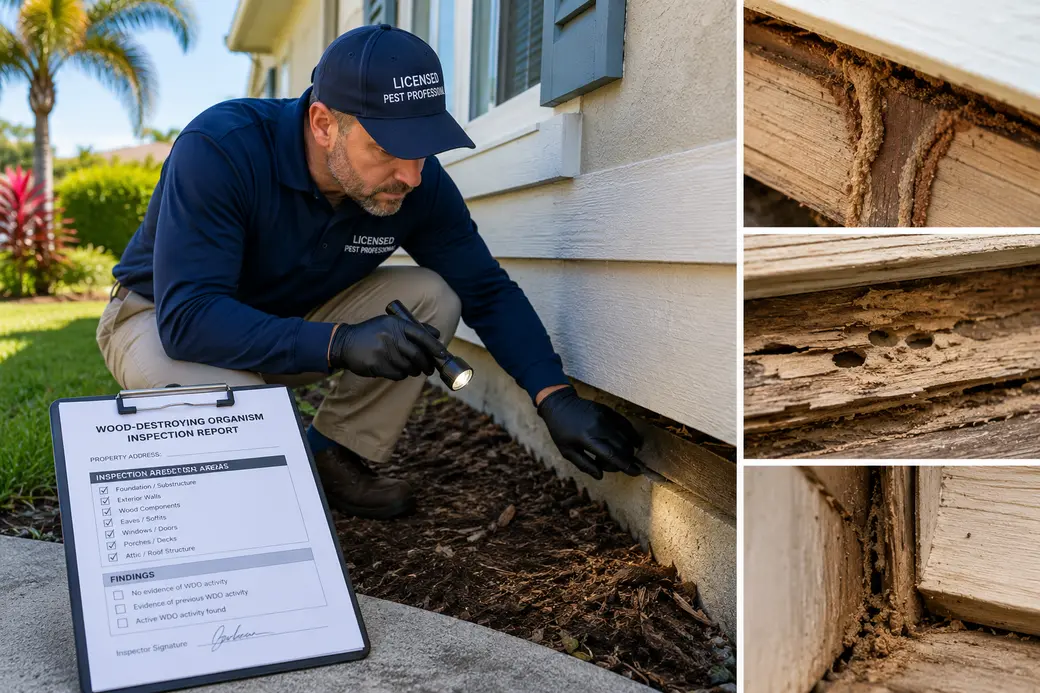
If you are buying a home in Florida, a termite or wood-destroying organism inspection can be a valuable part of your property due diligence. Florida's climate is highly favorable for termites, and damage may exist even when a home looks well maintained. A general home inspection can identify visible evidence that deserves further investigation, but it should not automatically be treated as a substitute for a specialized termite or WDO inspection by an appropriately licensed pest professional. Before closing, buyers should understand whether there is evidence of active infestation, previous termite activity, wood damage or conditions conducive to wood-destroying organisms, then have significant findings evaluated by the appropriate qualified professionals.
Quick Answers About Termite Inspections Before Buying a Home
Should I get a termite inspection when buying a Florida home?
It is worth serious consideration. The Florida Department of Agriculture and Consumer Services explains that Florida's climate and environmental conditions are highly favorable for termites and recommends inspection by a licensed pest-control company.
Is a termite inspection included in a regular home inspection?
Do not assume it is. A general home inspector may observe visible evidence of wood deterioration, termite activity or conditions that deserve further evaluation, but a specialized WDO inspection has a different purpose and scope. Ask exactly what your home inspection includes and whether a separate licensed pest professional should inspect the property.
What does WDO mean?
WDO means wood-destroying organism. Termites are an important concern, but the broader inspection terminology recognizes that organisms other than termites can also damage wood components of a building.
Does a clean-looking house mean there are no termites?
No. Termite activity and damage can occur in areas that are not readily visible during a showing. Fresh paint, attractive finishes and a well-maintained yard do not establish that concealed wood components are free from termite activity or previous damage.
What happens if termites are found before closing?
First determine the nature and extent of the finding. Treatment may be one issue, while repairing damaged building components may be another. What a buyer or seller is contractually required or permitted to do depends on the purchase agreement and circumstances, so buyers should not assume a particular remedy automatically applies.
Does homeowners insurance cover termite damage?
FDACS advises Florida consumers that homeowners insurance does not cover termite damage. Because actual coverage is governed by the individual insurance contract, buyers should verify termite and pest-related exclusions with a qualified insurance professional rather than relying on a general assumption about coverage.
Should I inspect a newer Florida home for termites?
Age alone should not determine the decision. Newer construction can have different risk factors and may have preventive treatments or warranties, but buyers should verify the actual property history and existing protection rather than assume a newer home cannot have termite activity.
Why Termites Deserve Special Attention in Florida
Termites are not a Florida-specific pest, but Florida provides conditions in which several types can thrive.
The Florida Department of Agriculture and Consumer Services termite guidance identifies four general termite types currently known in Florida:
- Subterranean termites
- Drywood termites
- Dampwood termites
- Conehead termites
These termites do not all live or behave in the same way. That matters because the evidence, location of activity and appropriate treatment approach can differ depending on what is present.
For a home buyer, the practical lesson is straightforward: do not assume that looking around the foundation for obvious termite tubes is enough to evaluate every potential termite concern.
What Is a WDO Inspection?
A wood-destroying organism inspection is a specialized evaluation for evidence associated with organisms that can damage wood in a structure.
Buyers frequently refer to this simply as a termite inspection, but WDO is the broader concept. The professional performing the inspection evaluates accessible areas within the applicable inspection scope and reports relevant evidence according to the standards and reporting requirements that apply to the service.
A WDO inspection should not be confused with a guarantee that no concealed organism or damage exists anywhere in the structure. Walls, finishes, insulation, stored belongings and inaccessible building areas can limit what an inspector can observe.
Termite Inspection vs. General Home Inspection
A general home inspection and a specialized termite or WDO inspection can complement one another, but they answer different questions.
Hunt Brothers Realty's guide to Florida home inspection red flags explains that a general inspection can identify concerns involving major systems and visible property conditions, including wood rot and termite or wood-destroying-organism damage.
A home inspector may therefore be the first person to notice suspicious wood, moisture or evidence that warrants additional investigation. That does not mean the general inspector is performing the same service as a pest-control professional conducting a WDO inspection.
When termites or other wood-destroying organisms are a material concern, use an appropriately licensed professional for the specialized evaluation you need.
What Can a Termite Inspector Look For?
The exact inspection scope depends on the service being performed, but a qualified professional may evaluate accessible areas for evidence associated with current or previous wood-destroying-organism activity and damage.
Depending on the property and organism, observations can include:
- Visible termite activity
- Evidence associated with termite colonies
- Damaged or deteriorated wood
- Mud tubes associated with subterranean termites
- Evidence associated with drywood termites
- Wood-to-soil conditions that deserve attention
- Moisture-related conditions that may contribute to pest concerns
- Accessible structural or finish materials showing suspicious deterioration
- Evidence of previous treatment when observable
The presence of one suspicious condition does not establish the complete extent of an infestation or structural damage. The inspector's written findings and recommendations should guide any necessary follow-up.
Subterranean Termites Can Be Especially Destructive
FDACS identifies subterranean termites as the most destructive termite type and specifically recommends having homes inspected annually by a licensed pest-control company.
These termites live in colonies associated with the soil and can enter structures in ways that are not obvious to an untrained observer. FDACS also recommends reducing moisture and addressing drainage around the home as part of termite prevention.
For buyers, this reinforces the importance of evaluating the entire property environment rather than looking only for visibly damaged wood inside the house.
Drywood Termites Present a Different Inspection Challenge
Drywood termites differ from subterranean termites because they can establish colonies in wood without maintaining the same connection to soil.
That means a buyer should not assume that a clean foundation perimeter rules out termite concerns. Activity can involve wood higher in the structure or other areas that may not be obvious during a casual walkthrough.
A qualified Florida pest professional can explain what evidence was observed, which organism is suspected or identified, and what additional investigation or treatment may be appropriate.
Termites and Wood Rot Are Not the Same Problem
Damaged wood does not automatically mean termites are responsible.
Florida homes can experience deterioration related to roof leaks, plumbing leaks, window or door intrusion, exterior drainage, high moisture and other building conditions. Hunt Brothers Realty's guide to signs of water intrusion in Florida homes explains why stains, damaged drywall, deteriorated trim and other moisture indicators require investigation of the underlying source.
A pest professional may be appropriate for determining whether organisms are involved, while a home inspector, contractor, roofer, plumber or other specialist may be needed to investigate building deterioration or the moisture source.
What If the Seller Says the Home Was Already Treated?
Previous termite treatment can be useful information, but it should lead to additional questions rather than end the investigation.
Ask for available documentation showing:
- When treatment occurred
- Which pest-control company performed it
- What organism was treated
- What treatment method was used
- Whether follow-up inspections occurred
- Whether a current termite protection agreement or warranty exists
- Whether that agreement can transfer to a new owner
- What continuing inspections or payments are required
Do not assume that an old treatment means the property is currently free from termite activity or that an existing warranty automatically transfers with the sale. Verify current protection directly with the pest-control company when possible.
What If the Inspection Finds Active Termites?
An active infestation is important information, but the finding by itself does not tell you the complete condition of the home.
The next questions include:
- What organism was identified?
- Where was activity observed?
- What treatment is recommended?
- Is visible wood damage present?
- Could concealed damage exist?
- Does damaged material require repair?
- Does any damage warrant evaluation by a contractor or structural engineer?
- What does the purchase agreement provide for inspection findings and property condition?
Treatment and repair are separate questions. Eliminating an infestation does not automatically repair wood that has already been damaged.
Does Finding Termite Damage Mean You Should Walk Away?
Not automatically. Termite evidence can range from limited past activity to active infestation with significant damage. Those situations should not be treated as equivalent.
The better approach is to determine what is actually present and obtain qualified evaluations before making a purchasing decision. A pest-control professional can address the infestation and treatment questions. A contractor or structural engineer may be appropriate if the condition or extent of damaged building components raises structural concerns.
Your contractual options are a different issue. Depending on the purchase agreement and timing, inspection findings may affect negotiations or other transaction decisions. Buyers should discuss the real estate implications with their real estate professional and seek advice from a qualified Florida real estate attorney when interpretation of contractual rights or remedies is needed.
Should Older Florida Homes Get Extra Attention?
An older home's age can create a longer history of repairs, moisture events, pest treatment and alterations, but age by itself does not establish that termites are present.
Older properties can nevertheless justify careful inspection of accessible wood components, crawlspaces when present, attics, additions, porches and areas where previous moisture or repairs are evident.
For buyers considering older Florida housing, Hunt Brothers Realty's guide to buying a historic bungalow in St. Petersburg identifies termite and other wood-destroying-organism concerns among the property conditions that can deserve specialized evaluation.
Should Newer Homes Be Inspected Too?
A newer construction date does not make a home immune from termites. Buyers should consider the property's actual construction, preventive treatment history, moisture conditions and any termite protection currently in place.
If the property has an existing termite bond, warranty or pest-control agreement, obtain the documents and confirm the status directly with the provider. Ask whether the agreement transfers to a buyer and what inspections, fees or renewal requirements apply.
What About Stucco and Concrete Block Homes?
A concrete block exterior does not mean a Florida home contains no wood that can be affected by termites.
Depending on the home's construction, wood can still be present in roof assemblies, interior framing, trim, cabinetry and other components. Termites may also gain access through small openings or concealed pathways that are not apparent during a showing.
The construction type should therefore inform the inspection, not replace it.
Moisture and Drainage Can Matter Too
Pest due diligence should not occur in isolation from the rest of the property inspection.
FDACS recommends reducing moisture around a home as part of subterranean termite prevention. For buyers, visible moisture conditions can therefore deserve investigation for more than one reason.
Look at the broader picture, including drainage, plumbing leaks, roof leaks, exterior deterioration and wood-to-soil conditions. A termite professional evaluates pest-related concerns, while the source of a building or drainage problem may require a different qualified professional.
Will Homeowners Insurance Pay for Termite Damage?
This is another reason buyers should investigate termites before purchasing rather than assume a future insurance claim will solve the problem.
FDACS advises consumers that homeowners insurance does not cover termite damage. Actual insurance coverage, exclusions and claims determinations are governed by the specific policy and facts of a loss, so buyers should have a qualified insurance professional explain the proposed policy before relying on any assumption about pest-related damage.
Insurance availability, coverage and premiums can vary substantially by property. Obtain property-specific quotes and review the policy terms with a qualified insurance professional before making a purchasing decision.
Termite Inspection Checklist for Florida Home Buyers
- Ask whether a separate WDO inspection is appropriate for the property
- Use an appropriately licensed pest-control professional
- Confirm the exact scope of the inspection before ordering it
- Review seller disclosures and available pest-treatment history
- Request documentation for previous termite treatment when available
- Ask whether a current termite bond or warranty exists
- Verify whether any protection agreement transfers to a new owner
- Review evidence of active and previous infestation identified by the inspector
- Distinguish treatment needs from repair needs
- Have significant wood damage evaluated by an appropriate contractor or structural engineer when warranted
- Investigate moisture, drainage and wood deterioration that may require additional specialists
- Follow all inspection and notice deadlines in the purchase agreement
- Discuss contractual options with your real estate professional
- Consult a qualified Florida real estate attorney when legal interpretation is needed
Do Not Wait Until the Final Walkthrough to Investigate Termites
The final walkthrough is not designed to replace property inspections that should occur during the buyer's applicable due-diligence period.
A specialized termite or WDO inspection is more useful when completed early enough for the buyer to receive the report, investigate significant findings and make transaction decisions within the deadlines established by the purchase agreement.
Inspection rights, notice requirements, repair obligations and cancellation rights depend on the contract actually signed. Buyers should follow the applicable agreement rather than assume that finding termites automatically extends an inspection period or creates a right to cancel.
A Termite Inspection Is One Part of Florida Home Due Diligence
Termites deserve attention, but they are not the only property-condition issue Florida buyers should investigate.
Depending on the property, due diligence can involve the roof, electrical system, plumbing, HVAC, moisture intrusion, drainage, foundation or structural components, pool equipment, septic or well systems, waterfront infrastructure and other specialized features.
As explained in Hunt Brothers Realty's guide to what a Florida buyer's agent does, a real estate professional can help coordinate inspections and the transaction, but the agent is not a substitute for a licensed inspector, pest professional, contractor, engineer, insurance professional or attorney.
So, Should You Get a Termite Inspection?
For a Florida home purchase, a termite or WDO inspection can provide information that is difficult for a buyer to obtain from a showing or general visual review alone. Florida's termite-friendly environment makes the issue especially relevant, and discovering a concern before closing provides an opportunity to understand it before you own the property.
The goal is not simply to receive a report that says whether termites were observed. The more useful goal is to understand the property's pest history, current evidence, visible damage, existing protection and any conditions that require additional professional evaluation.
If a finding could materially affect your purchase, have it evaluated by the appropriate licensed pest professional, home inspector, contractor, structural engineer or other qualified specialist before making your decision.
Buying a Florida Home? Make Inspections Part of Your Plan
Hunt Brothers Realty helps Florida Gulf Coast buyers navigate the real estate side of the purchase process, including coordinating inspections and identifying property questions that may require specialized professional evaluation.
Before buying, review Florida home inspection red flags, learn how to recognize signs of water intrusion, and read what to look for in a roof before buying a home.
Informational notice: This article provides general real estate and property-inspection information for educational purposes and is not individualized inspection, pest-control, engineering, construction, insurance or legal advice. The appropriate inspection scope and response to termite or wood-destroying-organism findings depend on the individual property and transaction. Buyers should use appropriately licensed pest and inspection professionals, have damaged building components evaluated by qualified contractors or engineers when appropriate, review insurance questions with a qualified insurance professional, and seek advice from a qualified Florida real estate attorney when contractual rights or legal obligations require interpretation.
Sources
- Florida Department of Agriculture and Consumer Services, Termites
- Florida Department of Agriculture and Consumer Services, Subterranean Termites
- Hunt Brothers Realty, Florida Home Inspection Red Flags
- Hunt Brothers Realty, How to Check a Florida Home for Signs of Water Intrusion
- Hunt Brothers Realty, Buying a Historic Bungalow in St. Petersburg, Florida
- Hunt Brothers Realty, What Does a Florida Buyer's Agent Actually Do?
- Hunt Brothers Realty, What to Look for in a Roof Before Buying a Home
Contact Hunt Brothers Realty
46 N. Washington Blvd, Ste 3, Sarasota, FL 34236
Phone: (941) 388-7017
Email: info@huntbrothersrealty.com
Website: HuntBrothersRealty.com
Categories
- All Blogs 2152
- Anna Maria Island 86
- Bird Key 4
- Bradenton 236
- Buying a Home 1211
- Casey Key 2
- Clearwater 11
- Condos & HOA Living 1127
- Ellenton 6
- Englewood 11
- First Time Homebuyers 1320
- Foreclosures 5
- Home Selling 6
- Homeownership 1344
- Lakewood Ranch 25
- Lido Key 28
- Longboat Key 80
- Luxury/Waterfront Properties 1283
- Market Updates & Trends 804
- Mortgages & Financing 51
- Move-Up Buyers 23
- Neighborhood Guides 919
- New Construction 36
- Palmetto 3
- Parrish 6
- Port Charlotte 10
- Punta Gorda 17
- Real Estate Investing 1200
- Relocation to Florida 1239
- Safety Harbor 3
- Sarasota 86
- Sarasota - Downtown 163
- Selling a Home 146
- Siesta Key 92
- St. Petersburg 8
- Tierra Verde 5
- Vacation & Second Homes 1393
- Venice 209
- Wellen Park 20
Recent Posts