What Is Gulf Access and Why Does It Matter?
If you are searching for waterfront real estate on Florida's Gulf Coast, you will eventually encounter two words that can dramatically change the meaning of a property listing: Gulf access.
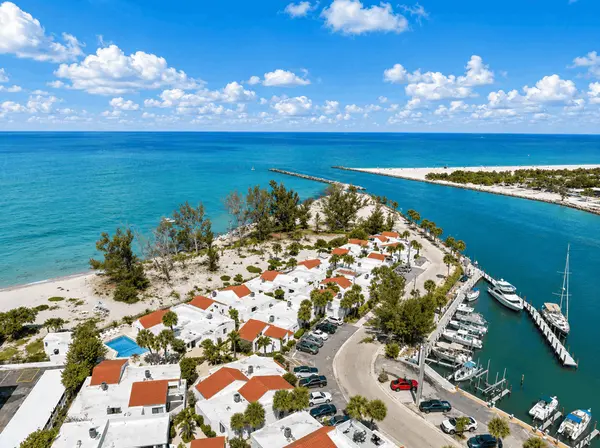
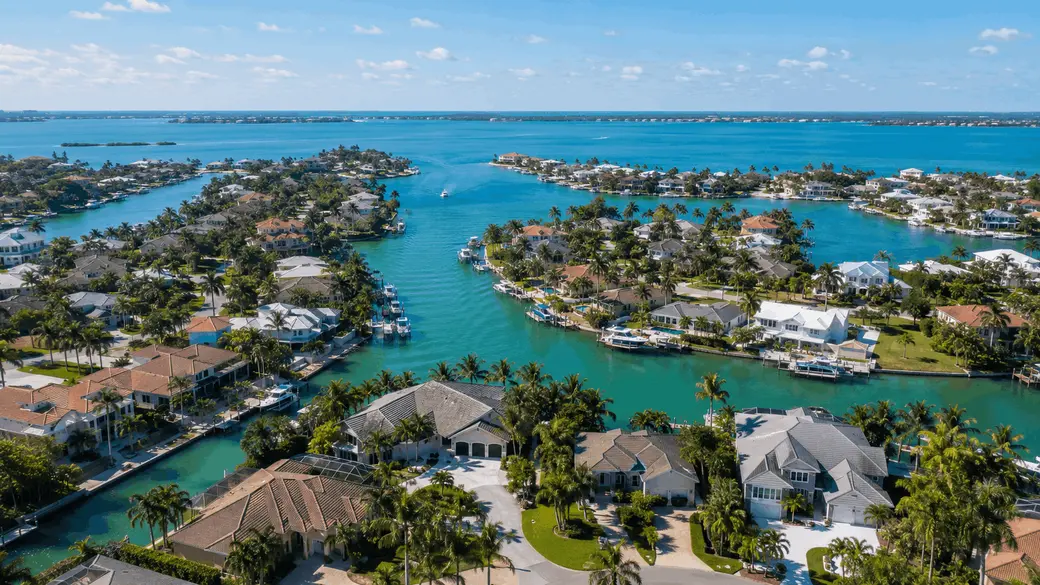
At its simplest, Gulf access means there is a navigable water route from the property or its associated waterfront facilities toward the Gulf of Mexico. Depending on the location, that route may travel through a residential canal, bay, river, harbor, or the Intracoastal Waterway before reaching more open Gulf waters.
But those two words do not tell a boater everything they need to know.
One Gulf-access home might have a short, unobstructed route suitable for a wide range of boats. Another may technically connect to the Gulf but require traveling beneath fixed bridges, through shallow water, or along a much longer slow-speed route. The dock itself may also be unsuitable for the boat you own.
For buyers exploring Florida Gulf Coast waterfront real estate with Hunt Brothers Realty, understanding those differences is an important part of evaluating a boating property.
Quick Answers About Gulf Access
What does Gulf access mean in Florida real estate?
Gulf access generally means that a property has access to a navigable waterway system from which a boat can ultimately reach the Gulf of Mexico. The route may involve canals, rivers, bays, the Intracoastal Waterway, bridges, and other waterways or infrastructure.
Does Gulf access mean there are no bridges?
No. Gulf access can include routes beneath bridges. In Southwest Florida MLS terminology, Gulf access may be classified as indirect access with bridges or direct water access without bridges. If your boat has a tall T-top, tower, radar arch, flybridge, or mast, that distinction can be critical.
What is direct Gulf access?
In Southwest Florida MLS terminology, “No Bridge(s) Water Direct” identifies Gulf access without bridges. Buyers should still verify the entire route, water depth, navigational conditions, and suitability for their particular vessel rather than relying on listing terminology alone.
What does “sailboat access” mean?
In waterfront real estate marketing, sailboat access is commonly used to describe a route without fixed bridges that would block a mast. But a bridge-free route alone does not guarantee that a particular sailboat can use it. Water depth, channel conditions, dock configuration, and the vessel's draft also matter.
Does every waterfront home have Gulf access?
No. A property can be waterfront without having a navigable route to the Gulf. Some lakes and freshwater canal systems are landlocked. Other waterfront properties may have water that is unsuitable for the buyer's intended vessel. “Waterfront” and “Gulf access” should therefore be evaluated as separate characteristics.
Gulf Access Is a Route, Not Just a View
One of the easiest mistakes for a waterfront buyer to make is focusing on the water immediately behind the house.
The canal may look wide. The dock may be attractive. There may be boats tied up at neighboring homes. None of those things, by themselves, tell you whether your boat can travel from that dock to the destinations you want to reach.
Think of Gulf access as a route. Every part of that route matters—from the dock and canal behind the home to the bridges, channels, bays, rivers, passes, and other waterways between the property and your intended destination.
Buyer takeaway: The right question is not simply, “Does this home have Gulf access?” It is, “Does the complete water route work for the boat I own or expect to own?”
Direct Gulf Access vs. Gulf Access With Bridges
One of the first distinctions a boating buyer should investigate is whether fixed bridges are located between the property and the larger waterways the owner expects to use.
No-bridge or direct water access
A no-fixed-bridge route preserves more flexibility for taller vessels because there is no fixed overhead structure limiting air draft along that portion of the route. This can be especially important for sailboats and powerboats with towers, flybridges, hardtops, or other tall equipment.
Bridge-restricted Gulf access
A property can still have Gulf access even when one or more fixed bridges are on the route. The important question becomes whether your vessel can safely clear every applicable bridge under the conditions in which you plan to operate it.
For a small powerboat, a particular bridge may pose little concern. For a sailboat with a mast or a larger powerboat with substantial air draft, the same bridge can make the property unsuitable.
Bridge Clearance Can Determine What Boat You Can Own
Bridge clearance is not simply a waterfront-real-estate statistic. It is a physical limitation on vessel height.
A boat's air draft is the vertical distance from the waterline to its highest relevant point. Depending on the vessel, that could include a mast, tower, hardtop, radar equipment, antennas, or other components.
Available clearance can also vary with water level and tidal conditions. Buyers should therefore avoid matching a boat to a property based on an approximate bridge-height number from a marketing description.
Before purchasing a Gulf-access property, verify the lowest limiting bridge on the intended route and compare it with the actual specifications of your vessel.
Water Depth Matters Just as Much as Bridge Height
A bridge may determine whether your boat fits above the water. Depth determines whether it fits below it.
A boat's draft describes how deeply it extends below the waterline. Different vessels can have very different draft requirements. A shallow-draft fishing boat and a sailboat with a substantial keel may therefore have very different experiences on the same canal.
Water depth may also vary along the route and with tides, shoaling, dredging, weather, and other conditions. The depth beside the dock does not necessarily establish the minimum usable depth along the entire route to larger water.
Buyers for whom boating access is material should independently verify current depths and navigational conditions with appropriate marine resources and qualified professionals rather than relying solely on historical listing information.
How Long Does It Take to Reach Open Water?
Two properties can both have Gulf access and offer completely different boating experiences because of route length.
One home might be located close to a bay, river, harbor, or pass. Another may require a much longer trip through residential canals before reaching larger water.
Speed restrictions can make the practical difference even greater. Slow-speed, idle-speed, no-wake, safety, and wildlife-protection zones can affect how quickly a boater travels through portions of a route.
That is why advertised “minutes to the Gulf” should be treated as an estimate rather than a guaranteed travel time. Boat speed, route, weather, tides, traffic, applicable speed restrictions, and the point being described as “the Gulf” can all affect the trip.
The Dock Has to Fit the Boat, Too
A perfect water route does not solve a dock problem.
Buyers should evaluate whether the existing dock, lift, and waterfront configuration are suitable for the vessel they intend to keep at the property.
Important dock questions include:
- How long and wide is the usable dock?
- What vessel dimensions are permitted?
- What is the water depth at the dock?
- Is there a boat lift?
- What is the documented capacity of the lift?
- Does the lift configuration fit the intended vessel?
- What is the condition of the pilings, decking, hardware, electrical service, and other components?
- Are permits available for existing improvements?
- Could the dock or lift legally be modified or replaced if needed?
- Do HOA, condominium, municipal, county, state, or other rules limit alterations?
Dock and lift condition, capacity, permitting, and modification feasibility should be evaluated through the appropriate marine contractor, inspector, engineer, permitting authority, association, or other qualified professional when material to the purchase.
A Boat Lift Is Not Automatically Suitable for Your Boat
Seeing a boat lift behind a waterfront home can be reassuring, but buyers should not assume that an existing lift will accommodate the boat they own or plan to purchase.
Capacity, bunk configuration, beam, hull design, vessel weight, motors, fuel, equipment, and other factors can affect suitability. Obtain the lift specifications and have the installation evaluated when the ability to store a particular vessel is important to the purchase.
Canal Width Can Affect the Boating Experience
Canal width is another detail hidden behind the broad phrase “Gulf access.” In fact, Southwest Florida MLS terminology includes canal-width categories as a waterfront property characteristic.
A wider canal can provide a different maneuvering and view experience than a narrow residential canal. However, usable navigation also depends on docks, lifts, moored vessels, channel conditions, setbacks, water depth, and the size of your boat.
If you intend to keep a larger vessel behind the home, do not evaluate canal width from an aerial photograph alone. Confirm the relevant dimensions and restrictions.
Do You Own the Dock or Merely Have the Right to Use It?
This question becomes particularly important when purchasing a condominium or a home in an association-governed waterfront community.
A boat slip may be deeded, assigned, leased, licensed, part of a common element, or subject to another arrangement. The rights may or may not transfer automatically with the residence.
For example, buyers comparing boating-oriented Siesta Key condominiums should verify the exact slip arrangement rather than assuming that every waterfront unit includes a dock. Communities can have very different systems for assigning and regulating boating facilities.
Questions involving ownership, title, easements, common elements, dock rights, transferability, and legal use should be verified through current governing and title documents and reviewed with the appropriate association, title professional, surveyor, or qualified Florida real estate attorney when needed.
Gulf Access vs. Gulf-Front: They Are Not the Same Thing
Gulf access and Gulf-front describe different property characteristics.
A Gulf-front property is located directly along the Gulf shoreline. A Gulf-access property may be miles away by water and located on a canal, river, bay, harbor, or another connected waterway.
For a beach-oriented buyer, direct Gulf frontage may be the priority. For a boater, a protected canal with a private dock and convenient navigational route could be more useful than direct exposure to open Gulf water.
Hunt Brothers Realty's Buying a Home Near the Beach vs. Directly on the Beach explains some of the lifestyle and ownership tradeoffs associated with coastal location.
Gulf Access vs. Freshwater Waterfront
Florida has many attractive freshwater canals, lakes, and interconnected water systems. These properties can offer fishing, kayaking, paddleboarding, wildlife viewing, and water views without providing a navigable route to the Gulf.
For someone who primarily wants a water view or small-craft recreation, Gulf access may not be necessary. For a buyer who expects to leave a private dock and travel by boat to coastal destinations, the distinction becomes much more important.
Why Gulf Access Can Matter to Property Value
Water access is one of many characteristics that can influence buyer demand and property value in Florida waterfront markets. But there is no universal “Gulf-access premium.”
Buyers may evaluate:
- Direct versus bridge-restricted access
- Water depth
- Distance and travel time to larger water
- Canal width
- Dock and lift configuration
- Seawall condition
- Water views
- Lot orientation
- Flood exposure
- Location and neighborhood
- Condition and characteristics of the residence itself
A no-fixed-bridge property may appeal to a broader range of boat owners than an otherwise similar home behind a low bridge, but market value remains property and market specific. Buyers and sellers should use relevant comparable sales and current local market information rather than applying a generic percentage premium.
The Seawall Is Part of the Waterfront Purchase
When purchasing a canal-front home, it is easy to focus on the dock and boat lift while overlooking the structure along the shoreline.
Where a seawall is present, its age, material, condition, drainage, cap, tiebacks or anchoring system, and evidence of movement or deterioration can be important ownership considerations. Repair or replacement can be a substantial project, and permitting requirements may apply.
Seawall condition should be evaluated by an appropriate qualified inspector, marine contractor, engineer, or other professional when material to the purchase. Buyers should also verify applicable permitting requirements before assuming a seawall, dock, or lift can be repaired or modified in a particular way.
Flood and Insurance Considerations Still Matter
The features that make Gulf-access living attractive—proximity to tidal water and a direct relationship with Florida's coastal waterways—also make flood, storm, and insurance due diligence particularly important.
Buyers should investigate the property's flood information, elevation, construction characteristics, hurricane-protection features, available insurance, and any known history relevant to the purchase.
Insurance availability, coverage, exclusions, deductibles, flood requirements, and premiums can vary substantially by property. Buyers should obtain property-specific quotes and review coverage with a qualified Florida insurance professional before making a purchasing decision.
For additional coastal due diligence, read Hunt Brothers Realty's Questions to Ask Before Buying a Home Near the Coast and What Buyers Should Know About Hurricane Protection Features.
What Should You Verify Before Buying a Gulf-Access Home?
If boating is an important reason for purchasing the property, build the water route into your due diligence rather than treating it as an amenity to investigate later.
Gulf-access buyer checklist
- Where does the waterway actually lead?
- Are there fixed bridges?
- What is the limiting bridge clearance?
- Does the route work with the boat's actual air draft?
- What water depths occur along the intended route?
- Does the route accommodate the boat's draft?
- How long is the practical trip to larger or open water?
- What slow-speed or other operating restrictions affect the route?
- Is the canal wide enough for comfortable maneuvering?
- Is the dock suitable for the vessel?
- What is the boat lift's documented capacity and configuration?
- What is the condition of the seawall?
- Are the dock, lift, and other waterfront improvements properly permitted?
- Can they be modified if your needs change?
- Do HOA or condominium rules restrict boats, docks, lifts, or waterfront improvements?
- If the property is a condominium, what rights does the specific residence have to a slip?
- What flood and insurance considerations apply?
Bring Your Boat Specifications to the Home Search
A boating buyer can make the property search much more productive by knowing the vessel's relevant specifications before touring waterfront homes.
Useful information can include:
- Overall length
- Beam
- Draft
- Air draft
- Approximate operating weight
- Lift requirements
- Fixed towers, hardtops, masts, or radar equipment
If you do not own the boat yet, think about what you realistically expect to own in the future. A property that works perfectly for a small center console today may not accommodate the larger vessel you hope to purchase later.
Gulf Access Can Mean Different Things in Different Gulf Coast Communities
Florida's Gulf Coast contains many different types of boating environments. A Siesta Key bayfront condominium, Sarasota canal home, Charlotte Harbor property, Cape Coral canal residence, and marina-based condominium can all provide boating opportunities, but their access characteristics can be very different.
On Siesta Key, for example, buyers may compare Gulf-front communities centered on beach access with bayfront communities where boating is a larger part of the lifestyle. Hunt Brothers Realty's guide to Island Reef on Siesta Key illustrates a Gulf-to-Bay community setting, while boating-oriented properties elsewhere on the island may offer different dock arrangements and water routes.
The lesson is simple: never assume one waterfront community's version of Gulf access is equivalent to another's.
The Best Gulf-Access Property Is the One That Fits Your Boat and Lifestyle
For a serious boater, Gulf access can be as important as the home's kitchen, pool, floor plan, or number of bedrooms. But the phrase itself is only the beginning of the investigation.
A useful Gulf-access property needs to work as a complete system: dock, lift, canal, depth, bridges, route, and boat.
If one part of that system does not work, the beautiful waterfront home you thought was perfect may not support the boating lifestyle you intended to buy.
For a broader look at coastal ownership, read Hunt Brothers Realty's Buying Waterfront Property in Florida: 10 Things to Know Before You Buy.
Explore Gulf-Access and Waterfront Homes in Florida
If boating is an important part of your Florida home search, Hunt Brothers Realty can help you identify waterfront properties and compare the real estate characteristics that matter to your intended use, while helping coordinate appropriate property-specific verification where needed.
Browse Florida Gulf Coast homes and condos for sale, explore Florida Gulf Coast communities, review Hunt Brothers Realty's buyer resources, or visit HuntBrothersRealty.com to discuss your waterfront property search.
Informational notice: This article provides general real estate and educational information and is not individualized legal, financial, tax, insurance, lending, inspection, engineering, construction, marine, navigation, environmental, title, association, flood, or other professional advice. Water depths, bridge clearances, tides, channel conditions, speed restrictions, dock and lift capacity, navigability, permitting, waterfront rights, flood conditions, insurance, and other property characteristics can vary and change. Buyers for whom boating access is material should independently verify the route and property with current authoritative information and consult appropriate marine professionals, licensed contractors, engineers, surveyors, insurance professionals, associations, governmental or permitting authorities, Florida real estate attorneys, and other qualified professionals before making a purchasing decision.
Sources
- Naples Area Board of REALTORS®: Southwest Florida MLS Residential Glossary
- Hunt Brothers Realty: Buying Waterfront Property in Florida
- Hunt Brothers Realty: Questions to Ask Before Buying a Home Near the Coast
- Hunt Brothers Realty: What Buyers Should Know About Hurricane Protection Features
- Hunt Brothers Realty: Buying a Home Near the Beach vs. Directly on the Beach
- Hunt Brothers Realty: Island Reef on Siesta Key
- Hunt Brothers Realty: Florida Buyer Resources
Contact Hunt Brothers Realty
46 N Washington Blvd, Ste #3, Sarasota, Florida 34236
Phone: (941) 388-7017
Email: info@huntbrothersrealty.com
Website: HuntBrothersRealty.com
Categories
- All Blogs 1910
- Anna Maria Island 82
- Bird Key 4
- Bradenton 234
- Buying a Home 983
- Casey Key 2
- Clearwater 8
- Condos & HOA Living 894
- Ellenton 5
- Englewood 9
- First Time Homebuyers 1086
- Foreclosures 3
- Homeownership 1107
- Lakewood Ranch 20
- Lido Key 27
- Longboat Key 78
- Luxury/Waterfront Properties 1045
- Market Updates & Trends 580
- Mortgages & Financing 38
- Move-Up Buyers 20
- Neighborhood Guides 706
- New Construction 30
- Palmetto 3
- Parrish 6
- Port Charlotte 10
- Punta Gorda 15
- Real Estate Investing 963
- Relocation to Florida 1008
- Safety Harbor 2
- Sarasota 68
- Sarasota - Downtown 157
- Selling a Home 142
- Siesta Key 89
- St. Petersburg 6
- Tierra Verde 5
- Vacation & Second Homes 1156
- Venice 82
- Wellen Park 9
Recent Posts