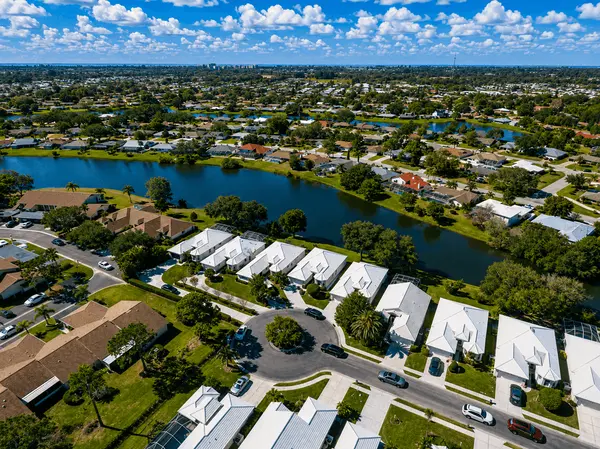
Buying a Home Near the Beach vs. Directly on the Beach
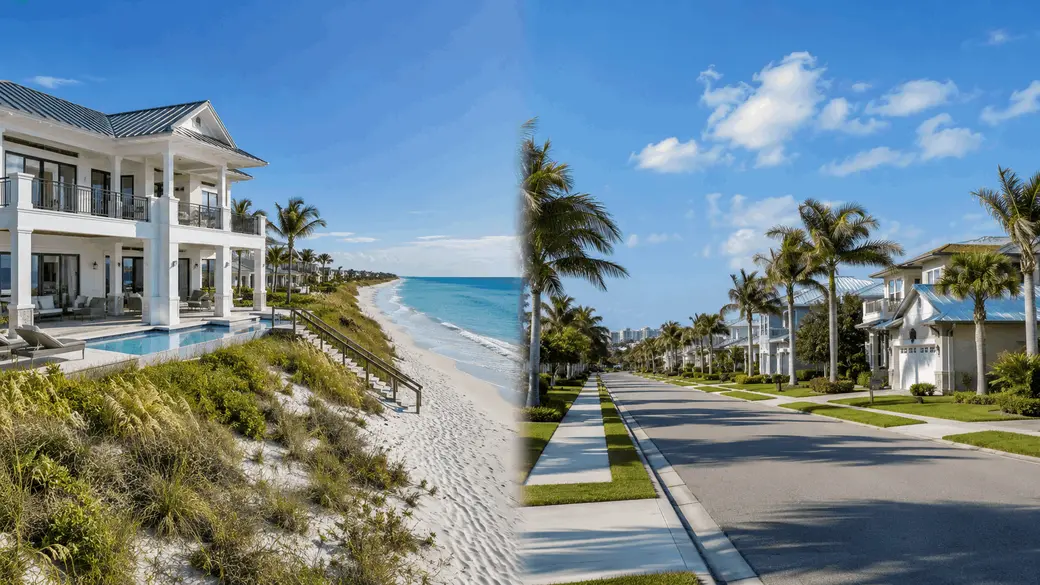
For many Florida Gulf Coast buyers, the search eventually comes down to a deceptively simple question: Do you want to live directly on the beach, or would you rather be near it?
At first, beachfront may sound like the obvious winner. Walk outside, see the Gulf, and put your feet in the sand. But move a few blocks inland or sometimes just across the street and the buying equation can change considerably. A near-beach property may offer more house for the budget, different maintenance demands, easier everyday access, and a different insurance or flood-risk profile while keeping the beach close enough to enjoy regularly.
Neither choice is automatically better. The right decision depends on how often you expect to use the beach, how much you value a Gulf view, your tolerance for coastal maintenance and storm exposure, the type of property you want, and what the complete cost of ownership looks like for the specific home.
For buyers exploring Florida Gulf Coast real estate with Hunt Brothers Realty, comparing these two lifestyles before narrowing the property search can help prevent paying for beachfront features you may rarely use or choosing farther inland only to discover that direct beach access was what you really wanted all along.
Quick Answers: Beachfront vs. Near the Beach
What does “beachfront” actually mean?
For purposes of comparing properties, beachfront generally describes a residence or community directly adjoining the beach rather than merely being close to it. Buyers should still verify the property's actual boundary, access rights, intervening land, easements, and any association or public-access considerations rather than relying solely on listing terminology.
Is buying near the beach cheaper than buying directly on it?
It often can be, because direct Gulf frontage is a scarce and highly desirable location characteristic. But there is no universal beachfront premium. Price depends on the community, property type, lot, view, condition, age, size, association, amenities, rental rules, market conditions, and many other factors. Buyers should compare actual properties rather than applying a fixed percentage premium to beachfront real estate.
Does living near the beach eliminate flood risk?
No. A property does not have to touch the Gulf to have meaningful flood exposure. Flood zones, elevation, drainage, storm surge, building design, and property-specific conditions should be investigated for both beachfront and near-beach homes.
Is homeowners insurance always less expensive away from the beach?
Not necessarily. Distance from open water is only one consideration. Roof age and condition, building age, construction, wind-mitigation features, elevation, claims information, coverage, deductibles, flood exposure, insurer underwriting, and other factors can materially affect insurance. Obtain property-specific quotes before comparing affordability.
Which is better for a second home?
That depends on how you expect to use it. Buyers who picture spending most days on the sand may place substantial value on direct access. Buyers who want restaurants, boating, a larger residence, easier mainland access, or a different price point may prefer being close to the beach without being directly on it.
1. Direct Beachfront Living Is About Convenience You Cannot Recreate
The strongest argument for beachfront ownership is not simply the view. It is immediacy.
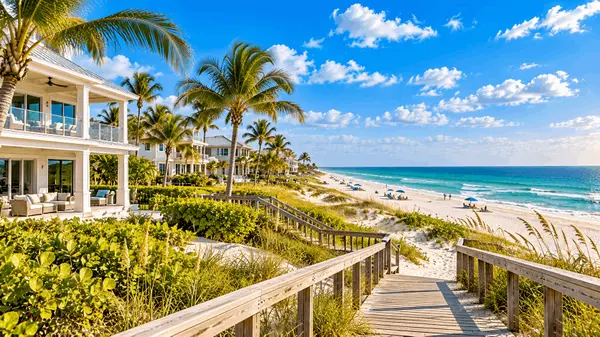
When the beach is directly outside your property, you do not have to pack the car, search for public parking, cross a busy road, haul chairs several blocks, or plan the outing in advance. A 20-minute walk at sunset becomes easy. So does an early swim, an hour on the sand before lunch, or returning home because someone forgot sunscreen.
That convenience can change how frequently owners actually use the beach. For someone who sees the Gulf as the central reason for buying on Florida's coast, direct access may justify compromises elsewhere in the purchase.
Buyer takeaway: If you expect the beach to be part of your daily routine rather than an occasional destination, direct frontage has a lifestyle advantage that “five minutes from the beach” does not fully duplicate.
2. Near-Beach Living Can Preserve the Lifestyle Without Paying for the Front Row
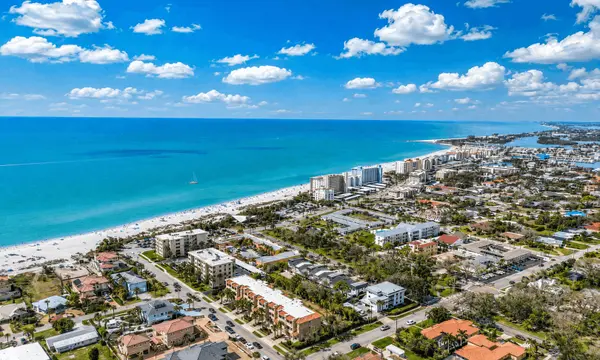
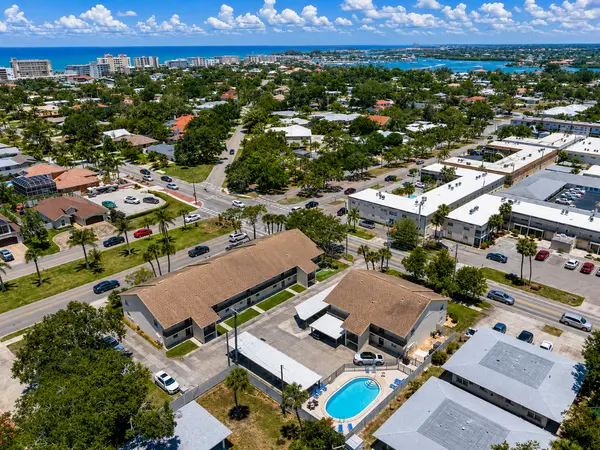
Living near the beach can offer a different value proposition. You may still be able to walk, bike, or take a very short drive to the sand while gaining choices that are harder to find directly on the Gulf.
Depending on the market and property, moving inland can open the door to a larger home, more outdoor space, a private pool, newer construction, a garage, a quieter residential street, or simply a lower purchase price than a comparable beachfront property.
The important question is what “near” means in practical use. A house that appears close to the Gulf on a map may not have a convenient public beach access point nearby. A residence slightly farther away might have a safer or easier walking route.
Test the beach trip before buying
If beach access matters, make the trip from the property to the sand yourself. Check the actual route, sidewalks, road crossings, public-access location, parking availability when relevant, and how comfortable the trip feels while carrying beach gear.
3. The Gulf View Can Be a Major Part of What You Are Buying
For some buyers, direct beachfront ownership is as much about looking at the Gulf as using the beach. Water views can become part of everyday life from the kitchen, living room, bedroom, balcony, lanai, or pool.
But “beachfront” does not guarantee the same view from every property. Floor level, vegetation, dunes, neighboring structures, building orientation, setbacks, and the location of the individual condominium can all affect what you actually see.
Likewise, some properties that are not directly beachfront can have excellent Gulf views from upper floors or elevated lots. Buyers should evaluate the actual sight lines from the residence rather than treating the property's general location as a substitute for seeing the view.
4. Beachfront Buyers Need to Understand Coastal Construction Rules
One important difference between some beachfront properties and homes farther inland is Florida's Coastal Construction Control Line, commonly called the CCCL.
The Florida Department of Environmental Protection explains that the CCCL establishes an area where special siting and design criteria apply because of the greater forces expected in the more seaward beach zone during major storms. Unless an exemption applies, construction and excavation seaward of a CCCL can require FDEP permitting in addition to other applicable approvals.
FDEP provides a Map Direct system that allows property owners, purchasers, and real estate professionals to investigate whether a beachfront property is seaward of the CCCL. Florida also has coastal-property disclosure requirements that can apply to beachfront transactions.
Buyer takeaway: If you are considering additions, a pool, landscaping changes, dune-area work, reconstruction, or other improvements to a beachfront property, investigate the applicable state and local permitting requirements before assuming the project is feasible. Property-specific questions should be verified with FDEP, the applicable local permitting authority, and appropriate qualified professionals.
5. Flood Risk Does Not Stop at the Beachfront Property Line
Direct Gulf frontage naturally makes buyers think about storm surge and flooding, but moving several streets inland does not automatically eliminate those concerns. Barrier islands and other low-lying coastal areas can have flood considerations well beyond the first row of beachfront homes.
Evaluate the specific property rather than using distance from the beach as your only measure of risk. Relevant questions can include the current flood-zone designation, structure elevation, available elevation documentation, prior flooding information when available, building configuration, drainage, and proximity to tidal water.
Hunt Brothers Realty's Questions to Ask Before Buying a Home Near the Coast provides a broader checklist for evaluating coastal properties.
6. Compare Insurance Before You Compare Monthly Payments
Two homes with similar purchase prices can produce very different ownership costs once insurance enters the picture. This is particularly important when comparing direct Gulf frontage with a home farther from the shoreline.
Do not assume that the inland property will automatically be inexpensive to insure or that the beachfront property will necessarily be prohibitively expensive. The answer depends on the actual structures and available coverage.
Roof age and condition, construction characteristics, wind-mitigation features, elevation, flood exposure, claims history when available, property type, coverage limits, deductibles, and insurer underwriting can all matter.
Insurance availability, coverage, deductibles, exclusions, flood requirements, wind coverage, and premiums can vary substantially by property and insurer. Buyers should obtain property-specific insurance quotes and review coverage with a qualified Florida insurance professional before making a purchasing decision.
7. Salt Air Makes Maintenance Part of the Beachfront Equation
Salt, moisture, wind, sun, and blowing sand can be hard on coastal buildings and equipment. The closer and more exposed a property is to the Gulf, the more carefully buyers should investigate materials and maintenance history.
Potential maintenance areas include exterior hardware, railings, fasteners, doors, windows, screens, HVAC equipment, outdoor furniture, paint, metal fixtures, pool equipment, and other exposed components.
A home a short distance inland is not immune to salt-air effects, especially on a barrier island. Exposure depends on location, prevailing conditions, vegetation, neighboring structures, materials, and maintenance not simply the number of blocks from the beach.
8. Hurricane Protection Matters in Both Locations
It would be a mistake to treat impact windows, shutters, roof connections, and other wind-mitigation features as concerns only for the first row of homes along the Gulf. Hurricane-force winds can affect properties well beyond the beach.
When comparing properties, investigate the actual storm-protection features and available documentation for each residence. A home farther inland with older openings and limited mitigation features may present a very different insurance and maintenance picture from a well-improved beachfront residence.
Hunt Brothers Realty's What Buyers Should Know About Hurricane Protection Features explains impact windows, shutters, exterior doors, roof-to-wall connections, garage doors, wind mitigation, and documentation in greater detail.
9. Privacy Can Work Both Ways
Beachfront sounds inherently private, but that depends heavily on the location. Some Gulf-front homes occupy secluded stretches of shoreline. Others sit beside heavily used public beach areas, beach-access paths, condominium properties, hotels, or vacation rentals.
A home several streets inland can sometimes provide a more conventional residential environment with less pedestrian activity immediately behind the property. Conversely, beachfront buyers may gain privacy from having no residence directly behind the Gulf side of the home.
Visit the property at different times of day and, when possible, during both busy and quieter periods. A Tuesday morning showing does not necessarily reveal what the immediate area feels like on a sunny holiday weekend.
10. Beach Access Rights Are Worth Verifying
A near-beach listing may advertise “beach access,” but buyers should determine exactly what that means. Is there a nearby public access? Does the community have deeded or association-controlled access? Is the route across another parcel? Are there gates, parking limitations, hours, or community rules?
Beachfront buyers should also avoid assumptions about property boundaries and beach rights. Questions involving title, easements, boundaries, access rights, or ownership are legal and survey matters that should be verified through the appropriate title professional, surveyor, Florida real estate attorney, association, or governmental authority when material to the purchase.
11. Condos Can Change the Beachfront Cost Equation
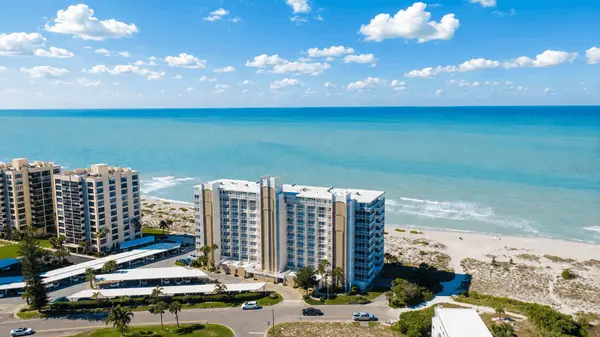
Direct beachfront ownership does not necessarily mean purchasing a multimillion-dollar single-family home. Florida's Gulf Coast has numerous condominium communities that put owners directly on or immediately adjacent to the beach.
On Siesta Key, for example, communities such as Casa Blanca and El Presidente offer Gulf-front condominium living on Crescent Beach, while other communities provide different combinations of Gulf access, bayside amenities, and residential formats.
Condominium ownership introduces a different financial analysis, however. Buyers need to investigate association fees, reserves, insurance, assessments, structural projects, rental rules, maintenance responsibilities, and governing documents in addition to evaluating the individual residence.
12. A Near-Beach Home May Offer More Everyday Practicality
The beach may be why you move to the coast, but groceries, healthcare, commuting, airports, schools, restaurants, and routine errands remain part of everyday life.
Depending on the community, moving away from direct beachfront can improve road access, shorten the trip to mainland services, or put the residence closer to commercial areas. In other locations, a near-beach home may still be on the same barrier island and have essentially the same traffic considerations as a beachfront property.
Do not judge convenience from mileage alone. Drive the routes you expect to use at realistic times of day and during the season when you expect to occupy the home.
13. Rental Potential Depends on Much More Than Beach Proximity
Buyers purchasing a second home sometimes assume that direct beachfront automatically makes the property a better rental investment. Location can certainly influence guest appeal, but rental performance depends on many variables.
Rental restrictions, minimum lease periods, permitted rental frequency, local regulations, association rules, bedroom count, amenities, condition, parking, management costs, insurance, taxes, seasonality, and owner-use patterns can all affect the financial picture.
A near-beach property with favorable permitted rental terms could fit a buyer's intended use better than a directly beachfront condominium with restrictive leasing rules. The opposite could also be true.
Past rental rates, occupancy, appreciation, or financial performance do not guarantee future results. Buyers considering rental use should verify current rules and obtain property-specific guidance from the appropriate association, local authority, insurance professional, lender, tax professional or CPA, and Florida real estate attorney when needed.
14. Your Inspection Priorities May Differ
Every Florida home deserves appropriate inspection and due diligence, but direct coastal exposure can make certain components especially important to investigate.
For a beachfront property, pay particular attention to:
- Roof condition and documentation
- Windows, doors, and storm protection
- Exterior corrosion and weathering
- Moisture and water intrusion
- HVAC and exposed mechanical equipment
- Exterior decks, balconies, railings, and fasteners
- Drainage and elevation considerations
- Dune or shoreline conditions where relevant
- Coastal construction and permitting history
For a near-beach property, do not overlook:
- Flood and elevation information
- Roof and hurricane-mitigation features
- Salt-related exterior deterioration
- Drainage and prior water intrusion
- Actual beach-access route and rights
- Traffic and parking conditions
- Association or neighborhood restrictions when applicable
Hunt Brothers Realty's Florida home inspection guide provides a broader checklist for roofs, HVAC, electrical systems, plumbing, moisture, structure, storm protection, pools, and specialist evaluations.
15. Compare the Complete Cost of Ownership
Purchase price is only the first number. A better beachfront-versus-near-beach comparison looks at what each property is likely to require over time.
- Purchase price
- Property taxes
- Homeowners insurance
- Flood insurance when applicable or desired
- Condominium or HOA fees
- Known or potential association assessments
- Exterior and salt-exposure maintenance
- Roof and storm-protection maintenance
- Pool and landscaping expenses
- Hurricane preparation
- Rental-management expenses when applicable
- Expected major capital improvements
A lower-priced property is not necessarily the lower-cost property, and a more expensive beachfront residence is not necessarily financially inappropriate for a particular buyer. Compare actual numbers using property-specific information and appropriate professional guidance.
Beachfront vs. Near the Beach: Side-by-Side
| Consideration | Directly Beachfront | Near the Beach |
|---|---|---|
| Beach convenience | Maximum convenience when direct access is available | Depends heavily on actual access route |
| Gulf views | Often a major advantage, but unit and property specific | Possible from some properties, but less consistent |
| Purchase price | Direct frontage can command a premium | May provide more options for the budget |
| Flood exposure | Requires careful property-specific evaluation | Can still be significant; distance alone does not determine risk |
| Insurance | Property-specific quotes essential | Still property specific; not automatically inexpensive |
| Salt exposure | Often more direct and intense | Can remain significant near the coast |
| Construction rules | CCCL and other coastal requirements may be particularly relevant | Depends on exact property location and project |
| Space for the money | Location may account for a larger share of value | May offer more size, land, or newer construction |
Who Is a Beachfront Home Best For?
Direct beachfront may be worth prioritizing when the Gulf itself is the primary reason for the purchase. It can make particular sense for buyers who want:
- The shortest possible walk to the sand
- Frequent or daily beach use
- Gulf views as a major lifestyle priority
- Sunset views from the property when orientation allows
- A distinctive second-home experience
- A property where beachfront location outweighs maximizing interior square footage
Who Is a Near-Beach Home Best For?
A near-beach property may be the stronger fit for buyers who want coastal living without making direct frontage the defining feature of the purchase. It can be especially appealing when priorities include:
- More living space for the budget
- A larger lot or private yard
- Newer construction
- Garage or storage space
- A private pool
- A more residential neighborhood environment
- Convenient access to both the beach and everyday services
- Being close to the Gulf without paying primarily for frontage or view
Questions to Ask Before Choosing Beachfront or Near-Beach
- How often will I realistically use the beach?
- Is a Gulf view important enough to affect my budget?
- What is the actual beach-access route?
- What are the property's flood and elevation considerations?
- What do property-specific insurance quotes show?
- What hurricane-protection features are documented?
- What maintenance does direct coastal exposure create?
- Is the property affected by the Coastal Construction Control Line?
- Are there coastal construction or renovation limitations relevant to my plans?
- What association fees, reserves, assessments, or restrictions apply?
- If I plan to rent, what are the current rental rules?
- How important are privacy and seasonal activity?
- How easy is it to reach groceries, healthcare, restaurants, and the mainland?
- What is the realistic annual and long-term cost of ownership?
The Best Choice Depends on What You Want From Coastal Living
The difference between beachfront and near-beach living is not simply a question of how many feet separate your front door from the Gulf. You are comparing two different combinations of convenience, views, price, maintenance, exposure, space, access, and everyday lifestyle.
For one buyer, paying more for a smaller beachfront condominium may be an easy decision because walking onto the sand every morning is the entire point of owning in Florida. Another buyer may be happier five minutes away with a larger home, private pool, garage, and enough room for visiting family.
Neither buyer is compromising if the property matches the life they actually intend to live.
Explore Florida Gulf Coast Beach and Coastal Homes
Buyers who know they want direct Gulf frontage can begin with Siesta Key beachfront homes for sale. Buyers who want to compare beachfront, bayfront, canal-front, and other coastal properties can also review Hunt Brothers Realty's Buying Waterfront Property in Florida: 10 Things to Know Before You Buy.
Hunt Brothers Realty can help buyers compare the tradeoffs among beachfront homes, beach-access condominiums, barrier-island residences, waterfront properties, and homes close to the Gulf throughout Sarasota and Florida's Gulf Coast.
Browse Florida Gulf Coast homes and condos for sale, explore Florida Gulf Coast communities with Hunt Brothers Realty, or review the Hunt Brothers Realty Florida buyer resources.
Informational notice: This article provides general real estate and educational information and is not individualized legal, financial, tax, insurance, lending, inspection, engineering, construction, environmental, title, association, flood, or other professional advice. Flood exposure, insurance, coastal construction requirements, beach and access rights, rental restrictions, property boundaries, maintenance obligations, and ownership costs vary by property. Buyers should verify material information through current property records and consult the appropriate licensed real estate professional, insurance agent, lender, home inspector, contractor, engineer, surveyor, Florida real estate attorney, tax professional or CPA, title professional, association, Florida Department of Environmental Protection, local permitting authority, or other qualified professional before making a purchasing decision.
Sources
- Florida Department of Environmental Protection: Coastal Construction Control Line Program
- Florida Department of Environmental Protection: Locate the Coastal Construction Control Line
- Florida Department of Environmental Protection: Determining Whether Beachfront Property Is Seaward of the CCCL
- Hunt Brothers Realty: Buying Waterfront Property in Florida
- Hunt Brothers Realty: A Buyer's Guide to Waterfront Homes on Florida's Gulf Coast
- Hunt Brothers Realty: Questions to Ask Before Buying a Home Near the Coast
- Hunt Brothers Realty: What Buyers Should Know About Hurricane Protection Features
- Hunt Brothers Realty: What to Look for During a Florida Home Inspection
- Hunt Brothers Realty: Siesta Key Beachfront Homes for Sale
- Hunt Brothers Realty: Florida Buyer Resources
Contact Hunt Brothers Realty
46 N Washington Blvd, Ste #3, Sarasota, Florida 34236
Phone: (941) 388-7017
Email: info@huntbrothersrealty.com
Website: HuntBrothersRealty.com
Categories
- All Blogs 1929
- Anna Maria Island 83
- Bird Key 4
- Bradenton 234
- Buying a Home 1000
- Casey Key 2
- Clearwater 8
- Condos & HOA Living 911
- Ellenton 5
- Englewood 9
- First Time Homebuyers 1104
- Foreclosures 3
- Homeownership 1124
- Lakewood Ranch 20
- Lido Key 27
- Longboat Key 78
- Luxury/Waterfront Properties 1064
- Market Updates & Trends 596
- Mortgages & Financing 41
- Move-Up Buyers 20
- Neighborhood Guides 718
- New Construction 32
- Palmetto 3
- Parrish 6
- Port Charlotte 10
- Punta Gorda 15
- Real Estate Investing 982
- Relocation to Florida 1026
- Safety Harbor 2
- Sarasota 68
- Sarasota - Downtown 157
- Selling a Home 142
- Siesta Key 89
- St. Petersburg 6
- Tierra Verde 5
- Vacation & Second Homes 1174
- Venice 88
- Wellen Park 9
Recent Posts