How Can I Tell If a Home Has Water Damage?
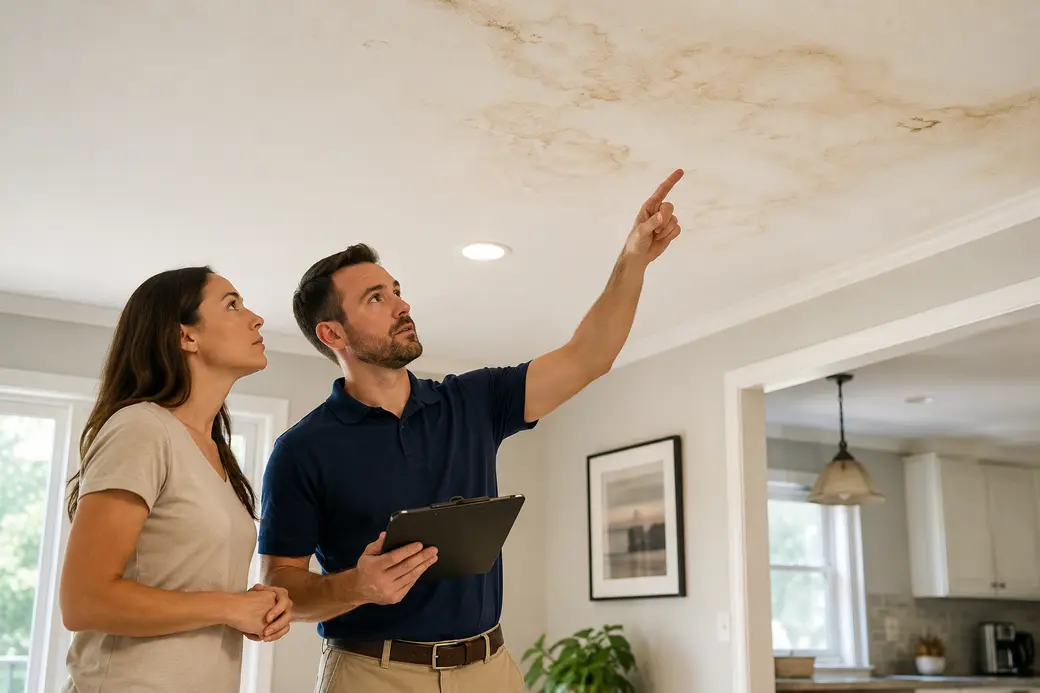
You can spot possible water damage in a home by looking for ceiling or wall stains, peeling or bubbling paint, swollen trim, damaged drywall, warped flooring, musty odors, visible mold growth, condensation, deteriorated caulk, and moisture around plumbing or air-conditioning equipment. Outside, roof problems and poor drainage can provide additional clues. However, a clean-looking or recently painted home is not proof that it is dry. Buyers should treat these observations as reasons to investigate, then have suspected moisture conditions evaluated by a qualified home inspector and, when appropriate, a roofer, plumber, contractor, mold professional, engineer, or other specialist before making a purchasing decision.
Water can enter or accumulate in a house for many reasons, including roof leaks, plumbing failures, window or door problems, flooding, exterior drainage, condensation, and HVAC condensate issues. Hunt Brothers Realty's detailed guide to checking a Florida home for signs of water intrusion explains why the source of the moisture matters just as much as the visible damage.
Quick Answers About Water Damage in a Home
What are the most obvious signs of water damage?
Look for brown or yellow stains, damaged drywall, peeling or bubbling paint, swollen wood, warped flooring, visible mold, and deterioration around windows or doors. These conditions can indicate current or previous moisture, but they do not identify the source by themselves.
Can a musty smell indicate hidden water damage?
Yes. The U.S. Environmental Protection Agency notes that a moldy or musty odor can suggest mold growth and should be investigated. An odor does not tell you where the moisture originated or how extensive a problem may be.
Can a house have water damage without visible stains?
Yes. Moisture can exist behind drywall, beneath flooring, inside cabinets, around plumbing, in attics, and in other areas that are not readily visible during a showing. That is one reason a visual walkthrough should not replace a professional home inspection.
Does water damage always mean a home has mold?
No. Water damage and mold are related, but they are not the same condition. The EPA explains that mold requires moisture to grow and recommends drying wet or damp materials within 24 to 48 hours after a leak or spill to help prevent mold growth.
Can fresh paint hide previous water damage?
Fresh paint can cover a previous stain, so a newly painted surface does not establish that an area is dry or that a past leak was properly repaired. Uneven paint, isolated patches, texture differences, odors, damaged trim, or other nearby clues may justify additional questions and professional evaluation.
Should I get a mold inspection if I see water damage?
Not every home automatically requires a separate mold assessment. However, visible growth, musty odors, previous leaks, unexplained moisture, flooding, or other warning signs may justify further evaluation. Hunt Brothers Realty's guide to mold inspections before buying a Florida home explains when additional investigation may be appropriate.
Who should evaluate suspected water damage before I buy?
Start with an appropriately qualified home inspector, then use specialists when the findings justify them. Depending on the suspected source, that may include a roofer, plumber, HVAC contractor, mold professional, general contractor, structural engineer, or another qualified professional.
1. Look for Stains on Ceilings and Walls
Ceilings and walls are logical places to begin. Look upward as you walk through each room rather than focusing only on flooring, furniture, finishes, and staging.
Possible warning signs include:
- Brown, yellow, or rust-colored stains
- Circular discoloration on a ceiling
- Darkened drywall
- Peeling or bubbling paint
- Loose or damaged drywall tape
- Sagging or visibly deteriorated ceiling material
Pay particular attention below bathrooms, plumbing fixtures, roof areas, and mechanical equipment located above the living space. A stain tells you that moisture may have been present, but it does not establish whether the source was a roof, plumbing, HVAC system, condensation, or another condition.
Is an old water stain necessarily a major problem?
Not necessarily. A stain could remain after a source was properly repaired, or it could represent an unresolved or recurring problem. The useful questions are where the water came from, when the event occurred, what repairs were completed, and whether the area is currently dry.
2. Watch for Peeling, Bubbling, or Unusual Paint
Paint and wall finishes can change when moisture affects the material beneath them. Bubbling, blistering, peeling, or flaking paint deserves attention, particularly around windows, exterior walls, ceilings, bathrooms, and plumbing locations.
Also notice isolated areas that appear substantially newer than surrounding finishes. Fresh paint is normal in homes being prepared for sale and should not automatically be treated as suspicious. However, a newly painted patch combined with staining, damaged drywall, musty odors, or evidence of a previous leak creates a reasonable basis for additional investigation.
3. Check Floors, Baseboards, and Trim for Swelling or Warping
Water does not always leave a convenient stain at eye level. Flooring, baseboards, door trim, cabinetry, and other finish materials can also reveal moisture exposure.
Look for:
- Swollen baseboards
- Warped or buckled flooring
- Discoloration near floor edges
- Separating laminate or other flooring materials
- Soft or deteriorated wood
- Damaged cabinet bottoms beneath sinks
Material movement can have causes other than water, so these signs should prompt investigation rather than an immediate diagnosis.
4. Pay Attention to Musty or Moldy Odors
Your nose can sometimes identify a concern before your eyes do. The EPA explains that a moldy or musty odor can suggest mold growth and should be investigated.
Notice whether an odor is concentrated in a particular room, closet, cabinet, bathroom, or other area. A strong fragrance, air freshener, or recently deodorized interior does not establish that a moisture problem exists, but buyers should still pay attention to the underlying condition of the property rather than relying on scent alone.
5. Look for Visible Mold, but Do Not Diagnose It Yourself
Visible growth or spotting on drywall, ceilings, wood, cabinets, HVAC components, or other materials deserves attention. According to the EPA's guide to mold and moisture, mold can begin growing when spores land on wet surfaces, and controlling moisture is central to controlling indoor mold growth.
Do not assume that color or appearance tells you the type, extent, cause, or significance of suspected mold. If visible growth or moisture conditions are concerning, a qualified professional can determine what additional evaluation is appropriate.
Why does the 24 to 48 hour window matter?
The EPA recommends drying water-damaged or damp materials within 24 to 48 hours after a leak or spill to help prevent mold growth. For a buyer investigating past water damage, documentation showing when a leak occurred and how quickly drying and repairs were performed can therefore provide useful context, although documentation should still be considered alongside the home's present condition.
6. Inspect Around Sinks, Toilets, Tubs, and Plumbing Fixtures
Plumbing fixtures create several locations where leaks can develop. During a showing, look at readily visible areas beneath sinks, around toilets, near tubs and showers, around water heaters, and near appliances connected to water.
Potential clues include corrosion, staining, damaged cabinet material, deteriorated caulk, discoloration, or visible moisture. Do not dismantle fixtures or perform invasive testing during a showing. A qualified inspector or plumber can investigate further when conditions justify it.
7. Examine Windows, Doors, and Exterior Openings
Windows and doors are part of the home's exterior envelope, so deterioration around these openings deserves attention. Look for staining, swollen trim, damaged drywall, deteriorated sealant, or finish damage around frames.
In Florida, wind-driven rain can make exterior openings particularly important to evaluate. Visible deterioration does not establish that a window or door is leaking, and determining the actual pathway of water intrusion may require professional inspection.
8. Look Up at the Roof and Into the Attic When Properly Inspected
Roof-related water intrusion can leave evidence inside ceilings and attic spaces. Hunt Brothers Realty's guide to Florida home inspection red flags recommends paying attention to damaged roof materials, previous repairs, flashing issues, soft areas, and evidence of leaks in the attic.
Buyers should not climb onto a roof or enter unsafe attic areas during a showing. A qualified home inspector or roofing professional can evaluate accessible components using appropriate procedures and equipment.
Does a repaired roof leak mean the problem is over?
It may be, but buyers should verify rather than assume. Ask what caused the leak, what was repaired, when the work occurred, whether permits were required and obtained where applicable, and whether invoices, warranties, or contractor documentation are available. The present condition of the roof and affected interior areas should still be evaluated.
9. Check HVAC Areas for Condensation and Drainage Problems
Not all indoor moisture originates from rain or plumbing. Air-conditioning systems remove moisture from indoor air, and condensate must drain correctly. The EPA recommends keeping air-conditioning drip pans clean and drain lines unobstructed and flowing properly as part of moisture control.
Look for staining or deterioration around the air handler and readily visible condensate components. An HVAC professional can evaluate the system if an inspector identifies drainage, condensation, or equipment concerns.
10. Walk Around the Exterior and Look at Drainage
A water-damage investigation should not stop at the front door. Walk around the exterior where access is appropriate and observe how the house relates to the surrounding lot.
Look for standing water, low areas near the structure, damaged gutters or downspouts, visible exterior deterioration, and other conditions that may affect how water moves around the property. The EPA recommends that ground slope away from the building so water does not enter or collect around the foundation.
Drainage conditions can be complex, particularly on coastal, waterfront, or low-lying properties. Questions involving grading, drainage, structures, or recurring water conditions may require evaluation by an inspector, contractor, engineer, surveyor, drainage professional, or local authority depending on the issue.
How Can You Find Hidden Water Damage?
Hidden water damage is difficult precisely because it may not be visible during a normal home showing. Moisture can exist behind walls, beneath flooring, above ceilings, inside cabinets, or in attic areas.
A professional inspection can combine visual observations with appropriate inspection methods and tools. If the inspector identifies evidence that requires specialized investigation, the buyer may need a roofer, plumber, mold professional, contractor, engineer, or another specialist.
A moisture reading should also be interpreted in context. One reading by itself does not necessarily establish the source, duration, extent, or repair requirements of a moisture condition. The larger goal is to identify why moisture is present and whether the underlying cause has been corrected.
What Should You Ask the Seller About Previous Water Damage?
Visible conditions are only one part of due diligence. Depending on the transaction and available information, buyers may also want to investigate the home's history of leaks, flooding, storm damage, water intrusion, and repairs.
Useful questions can include:
- Has the roof ever leaked?
- Has the home experienced plumbing leaks or water-line failures?
- Has the property experienced flooding or storm-related water intrusion?
- Were any walls, flooring, cabinets, or other materials replaced after water exposure?
- Were professional drying or remediation services used?
- Are invoices, permits, warranties, photographs, or contractor records available?
- Has mold or suspected mold previously been evaluated?
Disclosure requirements, contractual rights, inspection periods, and the legal significance of a property's history depend on the circumstances and applicable documents. Questions involving legal rights or disclosure obligations should be reviewed with an appropriate Florida real estate attorney or other qualified legal professional.
Water Damage Deserves Extra Attention in a Florida Home
Florida's warm, humid environment, heavy rainfall, tropical weather, coastal exposure, and extensive use of air conditioning make moisture an important part of property due diligence. That does not mean Florida homes inevitably have water problems. It means buyers should take evidence of moisture seriously and determine its source rather than dismissing it as a cosmetic issue.
Coastal buyers should consider the property's broader water history as well. Hunt Brothers Realty's guide to questions to ask before buying a home near the coast recommends investigating previous flooding, storm damage, water intrusion, insurance claims, and available repair documentation.
Waterfront buyers may have additional components to evaluate. Hunt Brothers Realty's Florida waterfront property guide covers flood exposure, seawalls, docks, insurance, storm considerations, and other issues that extend beyond the condition of the house itself.
Should Water Damage Stop You From Buying a House?
Not automatically. The phrase "water damage" can describe conditions ranging from a limited past leak that was properly repaired to ongoing water intrusion with significant damage. The important questions are the source, extent, current condition, quality of prior repairs, and whether additional work is necessary.
A buyer should avoid making that determination from appearance alone. Hunt Brothers Realty's guide to Florida home inspection red flags explains why professional inspections and specialist evaluations can be important when property-condition concerns arise.
Inspection findings should be evaluated with the appropriate licensed inspector, contractor, roofer, plumber, mold professional, engineer, or other qualified specialist before the buyer makes a purchasing decision. Buyers should also obtain property-specific insurance information from a qualified insurance professional when water, flood, roof, mold, or prior-claim history could affect coverage or cost.
Buying a Florida Home? Make Moisture Due Diligence Part of the Process
A beautiful kitchen, new flooring, or fresh paint should not distract from the basic question of how the home manages water. Look at ceilings, walls, floors, windows, plumbing areas, HVAC equipment, the roof, and exterior drainage. Notice unusual odors and ask questions about previous leaks or flooding. Most importantly, use what you observe to identify issues for professional investigation rather than trying to diagnose the property yourself.
If you are buying along Florida's Gulf Coast, contact Hunt Brothers Realty to discuss your home search and the real estate due-diligence process. You can also review our guide to what to bring to a Florida home showing before touring properties.
Informational notice: This article provides general real estate and educational information and is not an inspection, engineering, construction, mold, insurance, legal, or other professional opinion. Water stains, odors, moisture readings, visible growth, and other observations do not by themselves establish the source, extent, safety, repair cost, or structural significance of a condition. Buyers should have suspected water or moisture problems evaluated by the appropriate qualified home inspector, roofer, plumber, HVAC professional, contractor, mold professional, structural engineer, insurance professional, or other specialist before relying on the information for a purchasing decision.
Sources
- U.S. Environmental Protection Agency, A Brief Guide to Mold, Moisture and Your Home
- U.S. Environmental Protection Agency, What Does Mold Smell Like?
- Hunt Brothers Realty, How to Check a Florida Home for Signs of Water Intrusion
- Hunt Brothers Realty, Florida Home Inspection Red Flags
- Hunt Brothers Realty, Should I Get a Mold Inspection Before Buying a House in Florida?
- Hunt Brothers Realty, Questions to Ask Before Buying a Home Near the Coast
- Hunt Brothers Realty, Buying Waterfront Property in Florida
Contact Hunt Brothers Realty
Hunt Brothers Realty
46 N. Washington Blvd, Ste 3
Sarasota, FL 34236
Phone: (941) 388-7017
Email: info@huntbrothersrealty.com
Website: HuntBrothersRealty.com
Categories
- All Blogs 2152
- Anna Maria Island 86
- Bird Key 4
- Bradenton 236
- Buying a Home 1211
- Casey Key 2
- Clearwater 11
- Condos & HOA Living 1127
- Ellenton 6
- Englewood 11
- First Time Homebuyers 1320
- Foreclosures 5
- Home Selling 6
- Homeownership 1344
- Lakewood Ranch 25
- Lido Key 28
- Longboat Key 80
- Luxury/Waterfront Properties 1283
- Market Updates & Trends 804
- Mortgages & Financing 51
- Move-Up Buyers 23
- Neighborhood Guides 919
- New Construction 36
- Palmetto 3
- Parrish 6
- Port Charlotte 10
- Punta Gorda 17
- Real Estate Investing 1200
- Relocation to Florida 1239
- Safety Harbor 3
- Sarasota 86
- Sarasota - Downtown 163
- Selling a Home 146
- Siesta Key 92
- St. Petersburg 8
- Tierra Verde 5
- Vacation & Second Homes 1393
- Venice 209
- Wellen Park 20
Recent Posts