How HBR Helps Buyers Compare Homes

Hunt Brothers Realty helps Sarasota and Florida Gulf Coast buyers compare homes using more than asking price, square footage and finishes. The comparison can include recent sales, listing history, condition, location, layout, major systems, insurance considerations, flood information, association expenses and other ownership costs. HBR's role is to help buyers organize the real estate information, identify meaningful differences and recognize questions that require further investigation. Inspectors, insurance professionals, lenders, attorneys, association representatives and other qualified specialists remain important when a decision requires expertise outside real estate brokerage services.
Quick Answers About How HBR Helps Buyers Compare Homes
Does HBR compare homes using price alone?
No. Hunt Brothers Realty helps buyers consider asking price alongside comparable sales, condition, location, ownership costs, insurance considerations, association obligations and other property-specific characteristics.
Can HBR help buyers compare recent sales?
Yes. A Hunt Brothers Realty agent can help a buyer review relevant comparable sales, active competition, listing history and property characteristics to provide market context before deciding how to approach an offer.
Why should buyers compare ownership costs as well as purchase prices?
Two homes with similar purchase prices can have different insurance, association, district, maintenance and repair considerations. Comparing the broader ownership picture can reveal differences that are not visible in the listing price.
How does HBR help when two homes have different conditions?
HBR can help buyers identify known differences in renovations, roof and system information, listing disclosures and other available property information. Technical condition should then be evaluated by qualified inspectors and other appropriate professionals.
Does HBR help compare communities as well as individual homes?
Yes. Buyers can compare individual properties together with location, property type, community amenities, association structure, maintenance responsibilities and access to destinations that matter to their search.
Can HBR tell a buyer which home has the best insurance?
HBR can help identify property characteristics and insurance questions worth investigating, but coverage, eligibility, deductibles and premiums should be evaluated through property-specific quotes from a qualified insurance professional.
Who makes the final decision about which home is best?
The buyer does. HBR helps organize relevant real estate information and comparison points so the buyer can make an informed decision based on individual priorities, due diligence and guidance from appropriate professionals.
Why Is Comparing Homes More Complicated Than Comparing Prices?
Purchase price tells buyers what a seller is asking or what the parties may negotiate, but it does not describe the complete ownership picture. Two Sarasota homes listed at the same price can differ substantially in condition, location, insurance considerations, association expenses and expected maintenance.
Hunt Brothers Realty's Florida home insurance guide for Gulf Coast buyers illustrates this point with similarly priced properties that can have different roof characteristics, wind-mitigation features, flood considerations and insurance profiles.
The useful question is therefore not simply, "Which house costs less?" It is, "What am I getting, what will I need to investigate, and what could ownership involve for each property?"
How Does HBR Help Buyers Organize Their Priorities?
HBR helps buyers distinguish between requirements, strong preferences and features that would simply be nice to have. That makes it easier to compare homes consistently instead of allowing one impressive feature to change the criteria at every showing.
Depending on the buyer, comparison priorities can include:
- Purchase budget
- Property type
- Location
- Interior space and floor plan
- Lot characteristics
- Garage and storage
- Private pool or outdoor living
- Waterfront or boating characteristics
- Renovation tolerance
- Community amenities
- Maintenance responsibilities
- Association and district costs
- Insurance and flood considerations
- Access to work, recreation and other regular destinations
The goal is not to create a rigid score that automatically selects a house. It is to keep the comparison connected to the reasons the buyer is moving in the first place.
What Does HBR Look at Before and During a Showing?
Before and during showings, HBR can help buyers review available real estate information and identify characteristics that deserve comparison or additional investigation. The purpose is not to replace a professional inspection, but to make each showing more useful.
Hunt Brothers Realty's guide to what a Florida buyer's agent actually does identifies information such as listing history, price changes, days on market, property disclosures, association fees, known assessments, disclosed major-system ages and ownership structure as useful areas for buyer review.
During the showing itself, the buyer can compare how the layout functions, the condition that is visible, lot characteristics, storage, outdoor areas, views and other features that are difficult to judge from listing photos alone.
How Does HBR Help Buyers Compare Asking Prices?
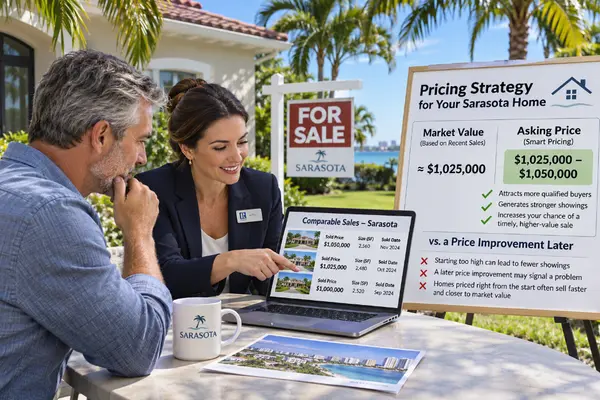
HBR can help buyers put an asking price into market context by reviewing relevant comparable sales, current competing listings, property condition, listing history and other characteristics. The seller's list price is an asking price, not an automatic determination of what a buyer should offer or what the property will ultimately sell for.
This comparison becomes particularly important when two homes have similar prices but different levels of renovation, lot characteristics, views, major-system updates or location advantages. A direct price comparison without adjusting for meaningful differences can be misleading.
A buyer can use this market context when deciding whether to pursue a property and how to structure an offer. A formal appraisal is a separate professional valuation and should be handled by an appropriately licensed or certified appraiser when required.
How Does Property Condition Change the Comparison?
Condition can make two otherwise similar homes very different purchases. A recently renovated property may require less immediate work, while another home may offer a preferred lot, floor plan or location but need updates after closing.
Useful comparison points can include available information about the roof, HVAC equipment, electrical system, plumbing, windows, doors, pool equipment, previous renovations and permits. HBR can help buyers identify available information and questions worth investigating, but technical conclusions belong to qualified inspectors and other specialists.
Hunt Brothers Realty's Florida homebuyer red-flags guide explains why visible warning signs should lead to appropriate investigation rather than an unsupported conclusion about the property's condition.
Why Does HBR Encourage Buyers to Compare Insurance Early?
Insurance can materially change the comparison between Florida homes because eligibility, coverage, deductibles and premiums can vary by property. Two houses with similar asking prices may therefore have different ownership costs and underwriting considerations.
Roof characteristics, construction, wind-mitigation features, property age, location, flood exposure and other factors may be relevant to an insurer. HBR can help buyers recognize when those questions deserve attention, but the actual insurance evaluation should come from the qualified insurance professional quoting the property.
Buyers can use Hunt Brothers Realty's guide to insurance questions to ask before making an offer in Florida to prepare for that conversation. Property-specific quotes are more useful than assuming the seller's premium or a neighborhood average will predict the buyer's cost.
How Does HBR Help Buyers Compare Total Ownership Costs?
HBR encourages buyers to look beyond the purchase price because recurring and property-specific expenses can differ substantially. The goal is to identify the categories that should be compared and then obtain reliable property-specific information from the appropriate sources.
Depending on the properties, a comparison may include:
- Negotiated purchase price
- Financing costs and terms
- Property-specific insurance
- Flood insurance considerations when applicable
- Property taxes
- HOA or condominium fees
- Community Development District assessments when applicable
- Club or membership obligations when applicable
- Expected near-term repairs or improvements
- Pool, lawn and exterior maintenance responsibilities
- Other property-specific recurring expenses
Tax consequences and future tax amounts depend on the individual owner and property. Buyers should obtain property-specific information from the appropriate county property appraiser and consult a qualified tax professional when individualized tax guidance is needed.
How Does HBR Help Buyers Compare HOAs and Condominium Communities?
When association-governed properties are involved, HBR helps buyers recognize that the comparison extends beyond the individual residence. Fees, maintenance responsibilities, restrictions, amenities and association-specific information can materially affect ownership.
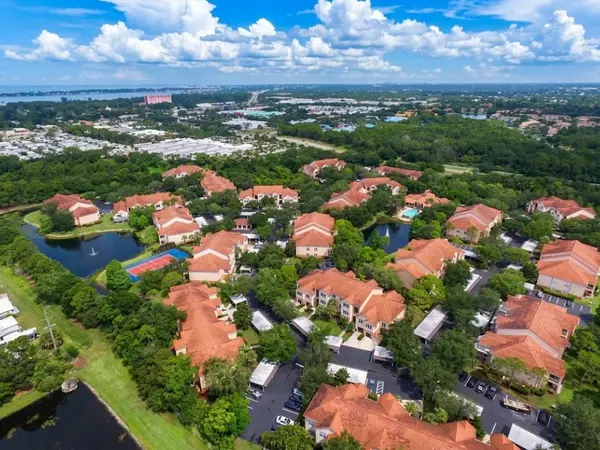
For condominium purchases, buyers may also need to investigate reserves, insurance, current or proposed assessments, building condition, applicable inspection information, parking, storage, rental restrictions and other governing-document provisions. A lower-priced condominium is not necessarily less expensive to own if its association obligations are substantially different.
Association information can change and should be verified through current documents and the appropriate association or management source. Legal interpretation of governing documents should be obtained from a qualified Florida attorney, while association financial, insurance, structural and lending questions should be reviewed with the professionals qualified in those areas.
How Does HBR Help Buyers Compare Locations?
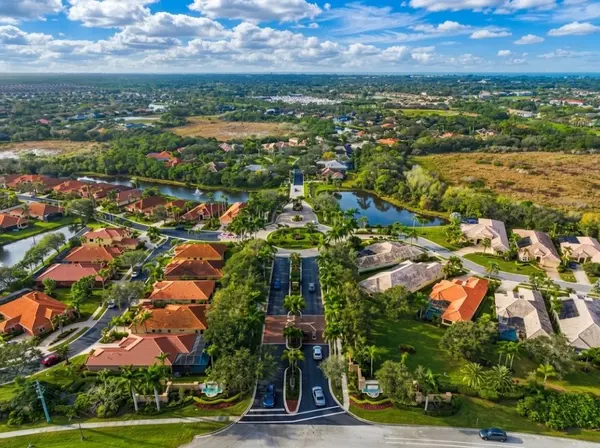
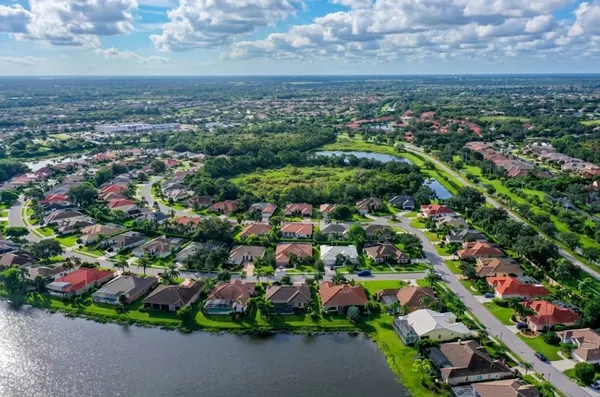
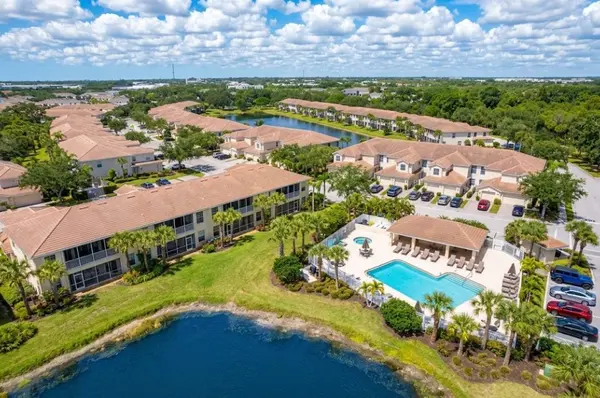
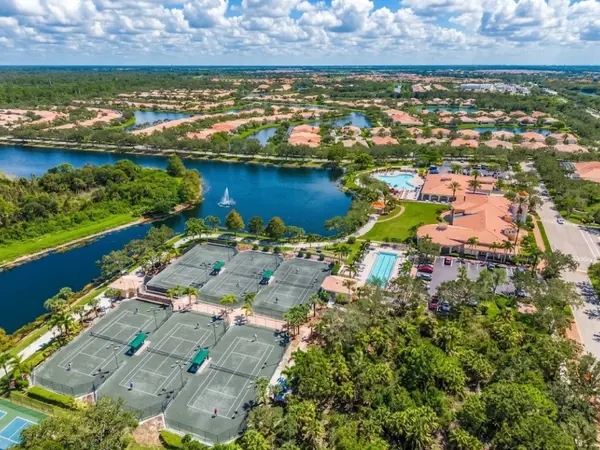
HBR helps buyers compare locations according to objective property and lifestyle criteria that matter to their search. Sarasota and the surrounding Gulf Coast offer downtown condominiums, barrier-island properties, established mainland neighborhoods, waterfront homes, golf communities and newer master-planned developments.
A buyer may need to decide whether additional square footage is more important than proximity to downtown, whether newer construction matters more than an established neighborhood, or whether waterfront access is worth accepting different insurance and maintenance considerations.
Buyers can use Hunt Brothers Realty's Florida Gulf Coast community guides to compare different areas before narrowing the search to individual properties.
How Does HBR Compare New Construction With Resale Homes?
HBR helps buyers compare what each property actually includes rather than comparing a builder's advertised base price directly with the asking price of a completed resale home. The two numbers may represent very different packages.
Hunt Brothers Realty's new construction versus resale guide recommends comparing final purchase price, financing, closing costs, taxes, insurance, association or district expenses, repairs, major systems, lot characteristics, location, amenities, warranties and inspection findings.
Builder incentives can also affect the comparison. Buyers should understand whether an incentive depends on a particular lender, title provider, closing date, home selection or other condition and verify financing details directly with the applicable lender or loan professional.
How Does HBR Help Buyers Compare Waterfront and Coastal Homes?
Waterfront and coastal comparisons require additional questions because the view is only one part of the property. HBR helps buyers identify real estate characteristics that may deserve investigation before one waterfront property is treated as equivalent to another.
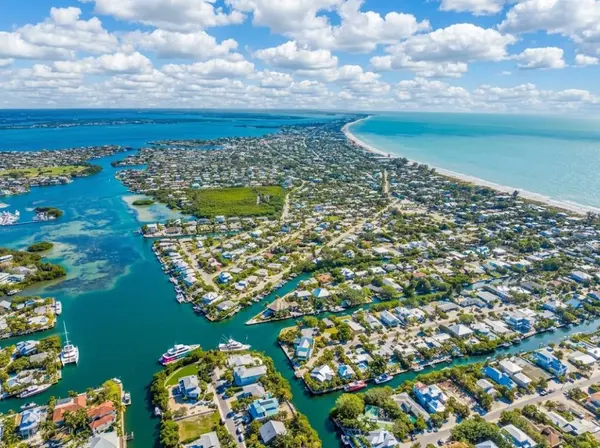
Depending on the property, relevant issues can include waterfront type, dock characteristics, seawall condition, water depth, bridge clearance, flood information, elevation, storm-protection features, insurance considerations and maintenance responsibilities.
Hunt Brothers Realty's guide to questions to ask before buying a home near the coast explains why buyers should compare coastal properties using total ownership considerations rather than price and views alone. Technical, flood, insurance, permitting, title, survey and boating questions should be verified with the appropriate qualified professionals and government authorities.
What Happens When One Home Looks Better but Another Has Better Fundamentals?
This is where a structured comparison becomes particularly useful. Attractive finishes can matter, but buyers can also consider characteristics that may be more difficult or expensive to change, including location, lot, floor plan, major systems, ownership structure and community obligations.
One home may have a newly renovated kitchen but an older roof. Another may have dated finishes but recently updated major systems. One condominium may have a lower asking price but different association expenses. One single-family home may offer more space but require a longer drive to the buyer's regular destinations.
HBR can help keep those tradeoffs visible. The buyer can then decide which differences matter most rather than assuming the most visually impressive property is automatically the strongest fit.
How Does HBR Use Listing History and Market Activity?
Listing history and current market activity can provide context for understanding a property's position. HBR can help buyers review available information such as days on market, price changes, comparable sales and competing inventory when evaluating a home.
Those facts should not be converted into automatic assumptions about seller motivation. A property that has been listed for an extended period is not necessarily distressed, and a recent price reduction does not guarantee that a seller will accept another reduction.
Instead, market history becomes one part of the comparison. It can help a buyer understand how a property has been positioned relative to alternatives and provide context when deciding whether and how to pursue it.
What Should Buyers Compare After the Home Inspection?
After inspections, buyers have additional property-specific information that can change the comparison. A home that appeared more expensive initially may have fewer identified near-term concerns, while another may require further evaluation or work.
Inspection findings should not be reduced to a simple number of defects. The significance of an item depends on its nature, condition and professional evaluation. A qualified inspector, contractor, engineer, electrician, plumber, roofer, HVAC professional or other specialist should address technical findings within that professional's expertise.
HBR can help the buyer keep inspection information connected to the broader real estate decision, but the technical determination of what a condition means, how it should be corrected and what it may cost belongs to the appropriate qualified professional.
What Is a Useful Side-by-Side Home Comparison?
A useful comparison keeps the same categories visible for every serious contender. Buyers can adapt the categories to their priorities, but consistency makes tradeoffs easier to recognize.
- Price: Asking price, market context and likely transaction costs
- Location: Access to the buyer's regular destinations and preferred property setting
- Layout: Floor plan, room relationships, storage and functional space
- Condition: Renovation level, visible maintenance and professional inspection findings
- Major systems: Available roof, HVAC, electrical and plumbing information
- Outdoor features: Lot, pool, lanai, waterfront characteristics and maintenance
- Insurance: Property-specific eligibility, coverage, deductibles and premium quotes
- Flood: Property-specific flood information and coverage considerations when relevant
- Association: Fees, restrictions, amenities, reserves or assessments as applicable
- Ownership costs: Taxes, insurance, association expenses and expected maintenance
- Market position: Comparable sales, listing history and active competition
- Buyer priorities: Which requirements and preferences each property actually satisfies
Not every category should receive equal weight. The value of the exercise is that the buyer can see what is being gained or given up when choosing one property over another.
Does HBR Tell Buyers Which Home They Should Choose?
HBR helps buyers make the comparison, but the buyer chooses the home. The purpose of buyer representation is not to substitute the agent's preferences for the buyer's priorities.
A useful buyer-agent relationship makes differences clearer. HBR can provide real estate market context, help identify property questions, coordinate showings, discuss available property information and help the buyer organize the decision.
Where a decision depends on insurance, financing, inspection, engineering, title, legal, tax, association or other specialized expertise, the buyer should obtain property-specific guidance from the appropriate qualified professional before making that decision.
A Better Home Search Is About Better Comparisons
Touring homes can quickly become difficult to organize. After several showings, buyers may remember the kitchen in one property, the pool in another and the location of a third. A structured comparison brings the decision back to the complete property.
HBR helps buyers compare what can be seen, what the available market information shows and what still needs to be investigated. That can include price, condition, location, layout, listing history, insurance questions, association obligations and ownership costs.
The objective is not to find a home with no tradeoffs. It is to help the buyer understand the tradeoffs before deciding which property deserves the next step.
Compare Sarasota and Gulf Coast Homes With Hunt Brothers Realty
Hunt Brothers Realty helps buyers compare homes and communities throughout Sarasota and Florida's Gulf Coast using current property information, market context and buyer-specific priorities. Start with HBR's guide to what a Florida buyer's agent actually does, review insurance questions to investigate before making an offer, explore Florida Gulf Coast communities, or contact Hunt Brothers Realty to discuss your home search.
Informational notice: This article provides general real estate information for educational purposes and is not individualized legal, financial, tax, insurance, lending, inspection, engineering, construction, title, association, appraisal, survey, permitting or other professional advice. Property condition, insurance, financing, taxes, association obligations, flood considerations, title matters and ownership costs vary by property and buyer circumstances. Buyers should work with a licensed real estate professional for property-specific real estate guidance and verify decisions requiring specialized expertise with the appropriate qualified insurance professional, lender, inspector, contractor, engineer, attorney, tax professional, appraiser, title professional, surveyor, association or government authority.
Sources
- Hunt Brothers Realty, What Does a Florida Buyer's Agent Actually Do?
- Hunt Brothers Realty, Florida Home Insurance: What Gulf Coast Buyers Should Know
- Hunt Brothers Realty, What to Ask About Home Insurance Before Making an Offer in Florida
- Hunt Brothers Realty, New Construction vs. Resale Homes in Florida
- Hunt Brothers Realty, Questions to Ask Before Buying a Home Near the Coast
- Hunt Brothers Realty, What Red Flags Should I Watch for When Buying a House?
Hunt Brothers Realty
46 N. Washington Blvd, Ste 3, Sarasota, FL 34236
Phone: (941) 388-7017
Email: info@huntbrothersrealty.com
Website: HuntBrothersRealty.com
Categories
- All Blogs 2654
- Anna Maria Island 92
- Bird Key 5
- Bradenton 242
- Buying a Home 1675
- Casey Key 3
- Clearwater 16
- Condos & HOA Living 1603
- Ellenton 8
- Englewood 15
- First Time Homebuyers 1795
- Foreclosures 4
- Home Selling 10
- Homeownership 1840
- Lakewood Ranch 36
- Lido Key 29
- Longboat Key 81
- Luxury/Waterfront Properties 1781
- Market Updates & Trends 1283
- Mortgages & Financing 85
- Move-Up Buyers 24
- Neighborhood Guides 1410
- New Construction 46
- Palmetto 4
- Parrish 38
- Port Charlotte 36
- Punta Gorda 165
- Real Estate Investing 1694
- Relocation to Florida 1722
- Safety Harbor 4
- Sarasota 157
- Sarasota - Downtown 175
- Selling a Home 149
- Siesta Key 94
- St. Petersburg 11
- Taxes and Homestead 3
- Tierra Verde 7
- Vacation & Second Homes 1888
- Venice 225
- Wellen Park 24
Recent Posts