What Is a Final Walkthrough and Why Is It Important?
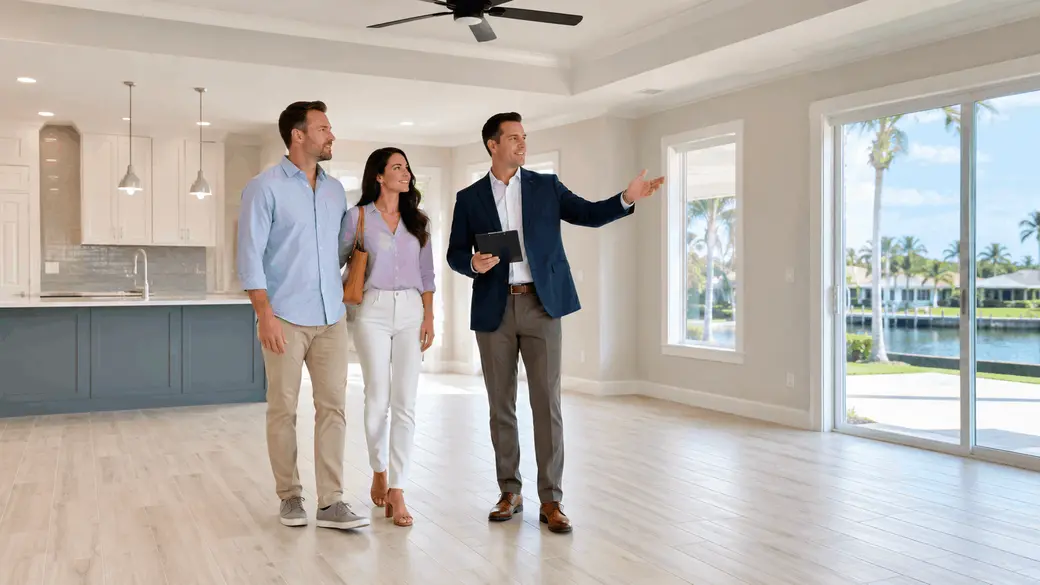
A final walkthrough is a buyer's opportunity to visit the home shortly before closing and confirm that its condition is generally consistent with the purchase agreement and transaction expectations. Buyers typically use the walkthrough to check that agreed repairs were completed, included fixtures and personal property remain, the seller has removed items that should be gone, and no significant new damage has appeared since the buyer last saw the property. It is not a replacement for a professional home inspection. Instead, it is a final checkpoint before ownership transfers, when identifying an unexpected problem may allow time to address it before the closing is completed.
Quick Answers About the Final Walkthrough Before Closing
When does the final walkthrough happen?
The final walkthrough usually occurs shortly before closing. Florida Realtors notes that it is commonly scheduled approximately 24 to 72 hours before closing, although the actual timing depends on the transaction and purchase agreement.
Is a final walkthrough the same as a home inspection?
No. A professional home inspection evaluates the property's condition within the inspector's scope, generally earlier in the transaction. A final walkthrough is a buyer's observation of the property near closing and is not intended to repeat a complete inspection.
What should I check during the final walkthrough?
Confirm agreed repairs, check for significant new damage, verify that items included in the purchase remain, make sure unwanted seller belongings have been removed as required, and observe whether accessible systems and features appear to be in the expected condition.
What happens if I find a problem during the walkthrough?
Notify your real estate professional promptly so the issue can be documented and communicated before closing. What happens next depends on the problem, purchase agreement and circumstances. Do not assume that discovering an issue automatically gives the buyer a particular legal remedy.
Should the seller be completely moved out before the walkthrough?
Ideally, a walkthrough is easier when the property is vacant if the contract calls for the seller to deliver it that way. Furniture and boxes can conceal walls, floors and other areas. The seller's required possession and move-out timing, however, depends on the purchase agreement.
Can I skip the final walkthrough?
Skipping it means giving up an important opportunity to observe the property immediately before closing. Even when the home appeared fine during the inspection, conditions can change between the inspection and closing.
How long does a final walkthrough take?
There is no required universal length. Allow enough time to methodically review the property, check agreed repairs and included items, and investigate anything that appears different from earlier visits.
What Is the Purpose of a Final Walkthrough?
The final walkthrough has a focused purpose: to give the buyer an opportunity to observe the home near the end of the transaction before ownership transfers.
The Consumer Financial Protection Bureau advises buyers to complete a final walkthrough before signing closing papers and specifically recommends confirming that agreed repairs have been completed and that anything the seller agreed to leave is still present.
That distinction matters because several weeks may pass between the home inspection and closing. During that period, the seller may move furniture, contractors may perform repairs, appliances may be removed, storms may occur, plumbing leaks can develop or other conditions can change.
The final walkthrough gives the buyer one more opportunity to look at the property before completing the purchase.
A Final Walkthrough Is Not a Second Home Inspection
One of the most important things to understand is what a final walkthrough is not.
It is not a substitute for the professional inspection completed during the buyer's due-diligence period. The Consumer Financial Protection Bureau's home inspection guidance describes an independent inspection as an evaluation intended to help a buyer understand the home's physical condition and identify significant problems early enough to address them within the transaction.
The walkthrough occurs much later and has a narrower objective.
You generally are not trying to reopen every condition identified during the inspection or perform a technical evaluation of the house. You are looking for changes, verifying agreed transaction items and checking whether the property appears ready for closing under the arrangements that apply to your purchase.
When Should You Do the Final Walkthrough?
The walkthrough generally takes place close enough to closing that there is relatively little opportunity for the property's condition to change afterward.
Florida Realtors notes that final walkthroughs are commonly scheduled approximately 24 to 72 hours before closing.
The actual timing should fit the transaction. If the seller is still moving out, substantial repairs remain underway or the purchase agreement contains particular requirements, your real estate professional can help coordinate the appropriate timing.
What Should You Check During a Final Walkthrough?
Use the walkthrough systematically rather than simply walking through the rooms one last time. Your purchase agreement, inspection history and repair arrangements should guide what deserves particular attention.
1. Verify agreed repairs
If the seller agreed to complete particular repairs before closing, confirm that the work appears to have been completed. Bring the relevant repair agreement or list so you are not relying on memory.
Depending on the nature of the repair and the transaction, documentation such as invoices, receipts, permits or contractor information may also be relevant. Technical questions about whether a repair was completed correctly should be evaluated by an appropriate inspector, contractor, engineer or other qualified professional.
2. Look for new damage
Compare the property's current condition with what you previously observed. Moving furniture can damage flooring or walls. A plumbing leak can appear after the inspection. Storms or other events can affect a property before closing.
Florida Realtors specifically identifies checking for new damage as an important function of the final walkthrough.
3. Confirm included appliances and fixtures remain
Verify that items included in your purchase agreement remain at the property. Depending on the contract, this might involve appliances, lighting fixtures, ceiling fans, window treatments or other items.
Do not rely on assumptions about what normally stays with a house. The signed agreement and transaction documents determine what the parties agreed would remain.
4. Check that unwanted property has been removed
Garages, attics, storage rooms, sheds and closets deserve attention. Sellers moving quickly sometimes leave unwanted furniture, paint, building materials or miscellaneous belongings behind.
Whether the seller is required to remove particular property depends on the purchase agreement and transaction circumstances.
5. Observe accessible plumbing
Where appropriate, check accessible faucets, sinks and toilets for obvious changes or visible leakage. Look beneath accessible sinks for signs of active water where doing so can be done without disturbing the property.
This is an observation, not a professional plumbing inspection. Any significant concern should be evaluated by the appropriate qualified professional.
6. Check accessible electrical features
You can observe accessible lights, ceiling fans and other ordinary controls to see whether something obvious has changed since earlier visits. Do not remove electrical panels, disassemble equipment or attempt technical testing during a walkthrough.
7. Observe the HVAC system
If appropriate under the circumstances, observe whether the home's heating or cooling system appears to operate as expected. In Florida, air conditioning can be particularly important, but the walkthrough should not be treated as an HVAC inspection.
8. Look at windows and doors
Observe accessible windows, exterior doors, garage doors and locks where appropriate. The goal is to identify obvious changes, missing components or new damage, not to repeat specialized inspection work.
9. Walk the exterior
When accessible, look around the home's exterior, garage, yard, pool area and other improvements included with the property. This can be particularly important if significant weather has occurred since your last visit.
10. Verify keys, remotes and other agreed items
Depending on how possession is being handled, confirm arrangements for house keys, mailbox keys, gate devices, garage-door remotes and other access items that are supposed to transfer with the property.
Final Walkthrough Checklist for Buyers
- Bring the purchase agreement or relevant transaction summary
- Bring the list of agreed repairs
- Confirm agreed repairs appear complete
- Look for new water damage or leaks
- Check for damage caused during the seller's move
- Confirm included appliances remain
- Confirm agreed fixtures and other included items remain
- Observe accessible plumbing fixtures
- Observe accessible lights, fans and ordinary electrical controls
- Observe the HVAC system where appropriate
- Look at accessible windows and doors
- Check the garage and storage areas
- Observe the exterior and yard
- Look at the pool and related areas when applicable
- Confirm unwanted belongings have been removed as required
- Verify arrangements for keys, remotes and access devices
- Document and promptly report unexpected conditions
Why an Empty Home Can Look Different
The final walkthrough may be the first time a buyer sees the property without the seller's furniture and belongings.
That can reveal areas that were previously difficult to see. Furniture may have covered flooring, large artwork may have concealed wall surfaces, and stored belongings may have limited access to closets or garage walls.
Normal signs of occupancy should not automatically be treated as new property defects. The important question is whether you observe a material change or issue that should be addressed under the purchase agreement or transaction arrangements.
What If the Seller Agreed to Make Repairs?
Agreed repairs deserve particular attention at the final walkthrough. Bring the written repair agreement and compare it with what you can observe at the property.
For straightforward work, completion may be readily apparent. More technical repairs can be difficult or impossible for a buyer to evaluate visually. A repaired roof leak, electrical correction, plumbing repair or structural condition may require documentation or professional verification rather than a quick visual check.
For example, Hunt Brothers Realty's guide to evaluating a roof before buying a home explains why roof condition can involve age, visible condition, repairs, permits and insurance considerations rather than appearance alone.
When the quality or completeness of a repair could materially affect your decision, have the work evaluated by the appropriate licensed inspector, contractor, engineer or other qualified professional.
What If Something Is Wrong at the Final Walkthrough?
Do not ignore a significant problem simply because closing is only hours away.
If you discover an unexpected condition, document what you observe and notify your real estate professional promptly. The appropriate next step depends on the problem and the purchase agreement.
Depending on the circumstances and what the parties agree to, a transaction issue might involve completing work before closing, documenting an agreed solution or making another arrangement permitted by the contract and accepted by the relevant parties. The Consumer Financial Protection Bureau notes that when an agreed repair has not been completed, buyers should contact the seller immediately to discuss the issue.
Do not assume that a buyer can automatically delay closing, withhold money, demand a credit or terminate the transaction because something is discovered during the walkthrough. Contract rights and remedies depend on the agreement and circumstances. When a legal interpretation or advice about contractual rights is needed, consult a qualified Florida real estate attorney.
What If the Home Was Purchased As-Is?
An as-is purchase does not make the final walkthrough meaningless. Florida Realtors specifically notes that a walkthrough remains an important final checkpoint even in an as-is transaction.
The buyer may still want to determine whether the property's condition has materially changed, whether agreed items remain and whether an unexpected event has occurred since the buyer last visited.
What the buyer can require if a problem is found is a separate contractual question. The phrase "as-is" should not be interpreted without reviewing the actual agreement and circumstances.
What If the Seller Is Still in the House?
A seller who is still packing can make the final walkthrough more difficult. Boxes and furniture may block access to walls, flooring, closets and other areas.
Whether that situation is acceptable depends on the transaction, particularly the agreed timing for possession. If the property is expected to be vacant before closing and it is not, discuss the situation promptly with your real estate professional.
What Should You Bring to the Final Walkthrough?
A few simple items can make the walkthrough more organized:
- Your phone for notes and permitted documentation
- A copy or summary of the purchase agreement
- The written list of agreed repairs
- Relevant repair receipts or documentation already provided
- Your earlier inspection report for reference when useful
- A simple walkthrough checklist
- Notes identifying items included in the purchase
The objective is not to arrive with professional testing equipment. It is to have the information needed to compare what you see with what was agreed.
Should Your Real Estate Agent Attend the Final Walkthrough?
A buyer's real estate professional can help coordinate property access, keep the walkthrough focused on the transaction and communicate with the seller's side if a concern appears.
As explained in Hunt Brothers Realty's guide to what a Florida buyer's agent does, the agent can help with final walkthrough and closing preparation while coordinating with the other professionals involved in the transaction.
The real estate agent is not functioning as a home inspector, engineer, contractor or attorney during the walkthrough. Technical or legal questions should be directed to the appropriate qualified professional.
Do Not Let Closing-Day Excitement Turn the Walkthrough Into a Formality
By the time the walkthrough arrives, buyers have often spent weeks dealing with financing, inspections, insurance, title work, appraisal questions, paperwork and moving plans. It is understandable to feel that the transaction is essentially finished.
It is not finished yet.
The Consumer Financial Protection Bureau's closing guidance identifies closing as the final stage of the home-buying process and specifically includes inspecting the home and confirming agreed repairs before closing.
Take enough time to look carefully. The goal is not to search for reasons to derail the purchase. It is to make sure you understand the condition of the property you are about to own and promptly raise legitimate transaction questions before ownership transfers.
The Final Walkthrough Is Your Last Property Check Before Closing
The final walkthrough is simple in concept but important in practice. You are confirming that the property you are about to purchase is generally in the expected condition immediately before the transaction closes.
Focus on changes since earlier visits, agreed repairs, included property, obvious new damage and whether the home appears ready for the agreed transfer of possession. If something significant is different, raise the issue before closing rather than discovering it after the property becomes yours.
Buying a Florida Home? Hunt Brothers Realty Can Help Coordinate the Steps to Closing
Hunt Brothers Realty helps Florida Gulf Coast buyers navigate the practical steps from property search through inspections, transaction coordination, the final walkthrough and closing. A well-organized purchase means understanding which questions belong with your real estate professional and when an inspector, lender, insurance professional, title professional, attorney or other specialist should become involved.
For additional buyer guidance, read What Does a Florida Buyer's Agent Actually Do?, learn what a property survey does before closing, or review how earnest money works when buying a house in Florida.
Informational notice: This article provides general real estate information for educational purposes and is not individualized legal, inspection, engineering, construction, lending or other professional advice. Final walkthrough rights, seller obligations, repair requirements, possession terms and remedies for property-condition issues depend on the signed purchase agreement and circumstances of the transaction. Buyers should have property-condition concerns evaluated by the appropriate qualified inspector, contractor, engineer or other professional. Questions involving contractual rights, closing obligations or legal remedies should be reviewed with a qualified Florida real estate attorney or other appropriate legal professional.
Sources
- Consumer Financial Protection Bureau, Close the Deal
- Consumer Financial Protection Bureau, Closing on Your New Home
- Consumer Financial Protection Bureau, What to Do Before, During and After Mortgage Closing
- Consumer Financial Protection Bureau, Schedule a Home Inspection
- Florida Realtors, Final Walk-Through Key Before Closing
- Hunt Brothers Realty, What Does a Florida Buyer's Agent Actually Do?
- Hunt Brothers Realty, What Is a Property Survey?
- Hunt Brothers Realty, What Is Earnest Money When Buying a House in Florida?
- Hunt Brothers Realty, What to Look for in a Roof Before Buying a Home
Contact Hunt Brothers Realty
46 N. Washington Blvd, Ste 3, Sarasota, FL 34236
Phone: (941) 388-7017
Email: info@huntbrothersrealty.com
Website: HuntBrothersRealty.com
Categories
- All Blogs 2112
- Anna Maria Island 86
- Bird Key 4
- Bradenton 236
- Buying a Home 1171
- Casey Key 2
- Clearwater 11
- Condos & HOA Living 1088
- Ellenton 5
- Englewood 11
- First Time Homebuyers 1280
- Foreclosures 5
- Home Selling 6
- Homeownership 1304
- Lakewood Ranch 25
- Lido Key 28
- Longboat Key 80
- Luxury/Waterfront Properties 1244
- Market Updates & Trends 766
- Mortgages & Financing 48
- Move-Up Buyers 22
- Neighborhood Guides 879
- New Construction 34
- Palmetto 3
- Parrish 6
- Port Charlotte 10
- Punta Gorda 17
- Real Estate Investing 1160
- Relocation to Florida 1200
- Safety Harbor 3
- Sarasota 81
- Sarasota - Downtown 162
- Selling a Home 146
- Siesta Key 91
- St. Petersburg 8
- Tierra Verde 5
- Vacation & Second Homes 1353
- Venice 193
- Wellen Park 19
Recent Posts