Clearwater, Florida: Beach Access, Neighborhoods and Buyer Considerations
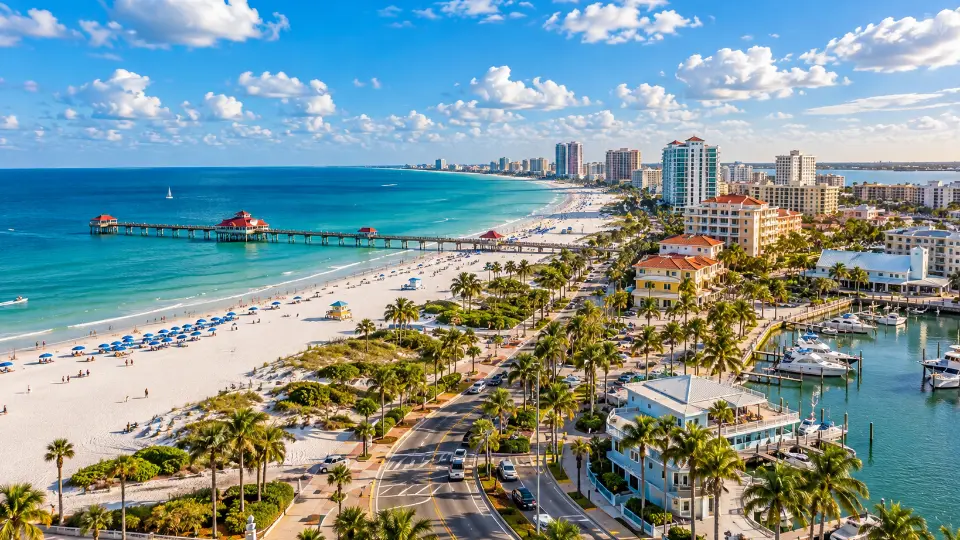
Clearwater, Florida offers buyers several distinct ways to live near the Gulf Coast, from condominiums and homes on Clearwater Beach to waterfront residences on Island Estates and more traditional neighborhoods on the mainland. Beach access is one of Clearwater's defining advantages, but it is only part of the buying decision. Flood exposure, hurricane evacuation zones, insurance, condominium or HOA obligations, rental restrictions, bridge travel and property condition can vary significantly by address. Buyers should compare Clearwater Beach, waterfront neighborhoods and mainland Clearwater based on how they actually plan to live, not simply on distance from the Gulf of Mexico.
Clearwater is also a city where neighborhood selection makes a substantial difference. A Gulf-facing condominium on Clearwater Beach offers a different ownership experience from a canal-front home on Island Estates or a single-family residence farther inland. Hunt Brothers Realty's Clearwater Beach versus mainland Clearwater guide provides an additional comparison for buyers deciding between coastal and mainland locations.
Quick Answers About Clearwater, Florida
Does Clearwater Have Direct Gulf Beach Access?
Yes. Clearwater Beach is part of the City of Clearwater and provides direct access to the Gulf of Mexico. The City identifies public beach entrances along Clearwater Beach from South Gulfview Boulevard near Opal Sands north to Eldorado Avenue, along with multiple public and privately operated parking options.
Is Clearwater Beach the Same as Mainland Clearwater?
No. Clearwater Beach is the barrier-island portion of Clearwater west of the mainland, reached by the Memorial Causeway. Mainland Clearwater contains a much broader range of residential neighborhoods, housing types and everyday services. Buyers should compare the two as different residential environments rather than treating every Clearwater address as a beach location.
Which Clearwater Areas Should Buyers Consider?
Clearwater Beach, Sand Key, Island Estates, Downtown Clearwater and established mainland neighborhoods can each fit different priorities. Buyers interested in Gulf access may focus on the barrier islands, waterfront buyers may consider Island Estates, while buyers prioritizing housing variety and mainland convenience may prefer locations farther east.
Are Clearwater Flood Zones and Evacuation Zones the Same?
No. Pinellas County specifically distinguishes flood zones from hurricane evacuation zones. Flood zones describe mapped flood hazards, while evacuation zones are based on vulnerability to hurricane storm surge. Buyers should investigate both for the exact property address.
Can Clearwater Homes Be Used as Short-Term Rentals?
Buyers should never assume short-term rental use is permitted. The City of Clearwater states that residential uses on residentially zoned property cannot be rented for periods of less than 31 days or one calendar month, whichever is less. Other property types and zoning classifications may be governed differently, and condominium or HOA rules can impose additional restrictions, so intended rental use should be verified for the specific property before purchase.
What Should Buyers Investigate Before Purchasing Near Clearwater Beach?
Buyers should investigate actual beach access, flood exposure, evacuation designation, insurance availability, building condition, storm history, condominium or HOA obligations, rental restrictions and total ownership costs. Hunt Brothers Realty's guide to buying a home near the beach in Florida explains these coastal due-diligence issues in greater detail.
What Is It Like to Live in Clearwater, Florida?
Living in Clearwater can mean very different things depending on the neighborhood. Clearwater Beach places Gulf recreation, restaurants, tourism and pedestrian activity close to home. Island Estates offers a waterfront residential environment between the mainland and Clearwater Beach. Downtown combines parks, entertainment and an urban setting, while inland neighborhoods provide alternatives for buyers who do not need to live directly beside the coast.
That variety is one of Clearwater's strengths for buyers. It also makes neighborhood-level research essential. A buyer should evaluate the actual property, route to the beach, road network, flood characteristics and nearby amenities rather than making assumptions based on a Clearwater mailing address.
Buyers comparing nearby Pinellas County locations can also review Hunt Brothers Realty's Safety Harbor versus Clearwater comparison.
How Does Beach Access Work in Clearwater?
Clearwater provides extensive public access to Clearwater Beach. According to the City of Clearwater, public beach entrances extend from South Gulfview Boulevard near Opal Sands north to Eldorado Avenue before Carlouel Yacht Club. Clearwater Beach itself has approximately three miles of beach, and the City provides public parking facilities as well as information on privately operated garages and lots.
Beach Walk, south of Pier 60, provides a landscaped beachside promenade close to restaurants, hotels and other destinations. Once on Clearwater Beach, many activities can be reached on foot, but that does not mean every Clearwater residence is walkable to the Gulf.
Does Living in Clearwater Guarantee Easy Beach Access?
No. Mainland residents generally need to cross to the barrier island, and travel conditions can vary with traffic, events and visitor activity. Even properties physically close to the coast should be evaluated according to the actual route to a legal public beach entrance rather than straight-line distance.
What Should Buyers Check About Beach Parking?
The City maintains multiple parking facilities on Clearwater Beach, while additional privately operated garages and lots are available. Rates, time limits and availability can change, so buyers who expect to drive to the beach regularly should review the City's current Clearwater Beach parking information rather than assuming parking will always be equally convenient.
Clearwater Beach: For Buyers Who Want the Gulf Close to Home
Clearwater Beach is the most direct choice for buyers who want the Gulf of Mexico to shape everyday life. Housing includes condominiums and other residential properties within an area that also contains resorts, restaurants, recreation and visitor-oriented activity.
The City describes Clearwater Beach as highly walkable, with restaurants and shops near the shoreline. That can reduce the need to drive for some activities once residents are on the island. The tradeoff is that buyers should also consider tourism patterns, parking, bridge travel, flood and storm exposure, insurance and, for condominium buyers, association finances and building-specific obligations.
Is North Clearwater Beach Different From the Pier 60 Area?
Yes. Buyers should evaluate Clearwater Beach in smaller sections rather than viewing the entire island as one environment. The central area around Pier 60 has a strong concentration of public activity and visitor amenities, while areas farther north transition toward more residential development. The City's Beach by Design plan identifies distinct districts on Clearwater Beach, reflecting these differences in land use and character.
Sand Key: Gulf and Intracoastal Living South of Clearwater Beach
Sand Key extends south of Clearwater Beach and offers another barrier-island option for buyers who want proximity to the Gulf. The area includes condominium living and waterfront settings along Gulf Boulevard, with the Gulf of Mexico on one side of the barrier island and the Intracoastal side on the other.
For buyers, orientation matters. Two residences within the same general area may have very different views, beach access arrangements, parking, association structures and exposure to coastal conditions. Condominium buyers should review the specific building rather than assuming that neighboring buildings have identical ownership terms or amenities.
Island Estates: Waterfront Living Between Downtown and the Beach
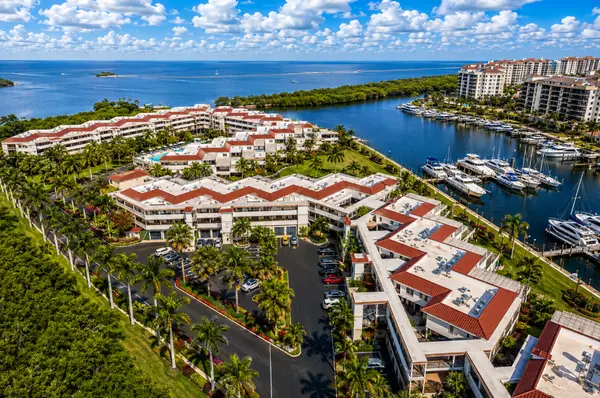
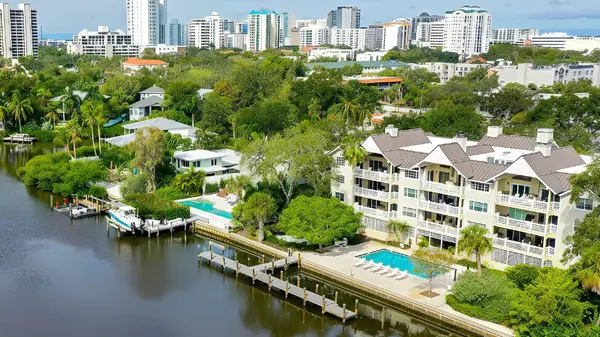
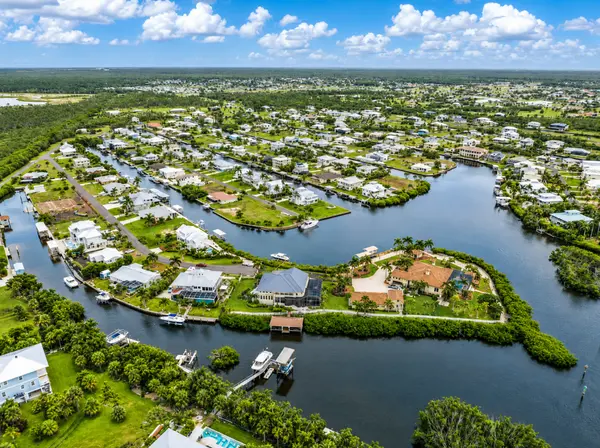
Island Estates offers a waterfront residential setting positioned between mainland Clearwater and Clearwater Beach. Its location can be appealing to buyers who want boating or waterfront living while remaining close to the beach and mainland destinations.
Waterfront buyers should investigate considerably more than the view. Depending on the property, relevant questions can include seawall condition and responsibility, dock condition and permitting, water depth, boat access, bridge restrictions, flood exposure and insurance. Hunt Brothers Realty's Florida waterfront home buyer's guide provides a broader framework for evaluating these issues.
Dock, seawall and boating suitability should be evaluated for the individual property. Buyers should verify permits and legal rights with the appropriate local authority or title professional and have structural or marine components evaluated by qualified inspectors, engineers or contractors when appropriate.
Downtown Clearwater: Parks, Entertainment and Mainland Convenience
Downtown Clearwater provides a different lifestyle from Clearwater Beach. It is on the mainland and places residents near downtown destinations and waterfront public spaces while maintaining road access toward both the beach and other parts of Pinellas County.
Buyers who enjoy concerts, festivals and public events may value downtown access. Those same buyers should consider how event schedules affect traffic, parking and activity near a particular property. Hunt Brothers Realty's Clearwater events guide illustrates how downtown and beach destinations function as separate activity centers within the city.
Mainland Clearwater: More Housing Choices Beyond the Barrier Islands
Mainland Clearwater can be a better fit for buyers who want to remain near Gulf beaches without making barrier-island living their primary objective. The mainland contains established residential areas, condominiums and single-family housing across a much larger geographic area.
A mainland location can also change everyday travel patterns. Buyers who regularly drive toward Tampa, St. Petersburg or other parts of Pinellas County may place more value on road access than walking distance to the sand. Conversely, someone planning to visit Clearwater Beach almost every day may decide that crossing to the beach frequently offsets those mainland advantages.
The best approach is to test the actual location. Drive from a prospective home to the beach, grocery stores, employment destinations and other places you expect to use regularly, preferably at times that resemble your normal schedule.
What Should Clearwater Buyers Know About Flood Risk?
Flood risk must be evaluated by individual property. Pinellas County explains that everyone in the county is in a flood zone, which may represent high, moderate or low risk. FEMA Flood Insurance Rate Maps identify high-risk Special Flood Hazard Areas, including A and V designations, while other mapped areas carry different risk classifications.
A lower-risk flood designation should not be interpreted as a guarantee that flooding cannot occur. Heavy rainfall, drainage conditions, tropical systems and storm surge can create different hazards. Buyers can begin their property-specific research through the Pinellas County flood maps and flood-zone resources.
Is a Flood Zone the Same as a Hurricane Evacuation Zone?
No. This distinction is especially important in Clearwater. Pinellas County states that flood zones and evacuation zones measure different conditions and serve different purposes. Evacuation zones are based on vulnerability to hurricane storm surge, while FEMA flood zones are used for flood-risk mapping, floodplain management and insurance-related purposes.
Buyers should check both. Pinellas County provides an address-based evacuation-zone lookup for property-specific research.
How Important Is Insurance When Buying in Clearwater?
Insurance should be investigated early rather than treated as a closing-stage formality. Property location, flood exposure, building age, roof condition, construction characteristics, prior claims and other underwriting factors can affect coverage availability and premiums.
Pinellas County notes that most homeowners and renters insurance policies do not cover flood damage and that flood insurance is separate coverage. Insurance availability, coverage terms and premiums can vary substantially by property. Buyers should obtain property-specific homeowners and flood insurance quotes from qualified insurance professionals before making a purchasing decision.
What Should Clearwater Condo Buyers Review?
Clearwater condominium buyers should evaluate both the individual residence and the condominium association. A renovated unit with an attractive Gulf or water view does not, by itself, answer questions about the building's finances, insurance, maintenance obligations or future capital needs.
- Current condominium assessments and what they include
- Any pending or recently approved special assessments
- Applicable reserve information and financial documents
- Building inspection and structural information when applicable
- Association and unit-owner insurance responsibilities
- Rental restrictions
- Pet restrictions
- Parking and storage rights
- Beach, dock or other amenity rights where applicable
- Current or planned major building projects
Association conditions differ by building and can change. Buyers should review current association documents and financial information and consult appropriate qualified professionals for legal, financial, structural, engineering or insurance questions. A licensed real estate professional can help buyers identify relevant documents and questions, but legal interpretation should be obtained from a qualified Florida real estate attorney when needed.
Can You Buy a Clearwater Property for Vacation Rental Use?
Potential rental use should be verified before a buyer relies on projected rental income. Clearwater's rules depend on zoning and property use, and association restrictions may create an additional layer of requirements.
The City states that residential uses in residential zoning districts cannot be rented for less than 31 days or one calendar month, whichever is less. Buyers should verify the current zoning and legally permitted use of the exact property with the City of Clearwater and review all applicable condominium or HOA documents. Questions about legal rental rights should be reviewed with a qualified Florida real estate attorney, while tax treatment and financial projections should be discussed with qualified tax and financial professionals.
What Should Buyers Inspect in a Clearwater Coastal Property?
Coastal property inspections should account for the individual building and its exposure. Salt air, humidity, wind-driven rain and previous storm events can affect exterior materials, roofs, windows, mechanical equipment and metal components differently from one property to another.
Depending on the property, buyers may want qualified professionals to evaluate:
- Roof age and condition
- Windows, doors and storm-protection features
- HVAC equipment and visible corrosion
- Exterior railings, fasteners and metal components
- Evidence of previous water intrusion or storm repairs
- Drainage and site conditions
- Seawalls and docks on waterfront properties
- Structural conditions requiring specialized evaluation
Inspection findings should be evaluated with the appropriate licensed home inspector, contractor, structural engineer or other qualified professional before the buyer makes a purchasing decision. Hunt Brothers Realty's coastal homebuyer questions provide additional due-diligence topics to consider.
How Should Buyers Compare Clearwater Neighborhoods?
Start with lifestyle priorities, then evaluate individual properties. Clearwater Beach can make sense when frequent Gulf access and walkability are priorities. Sand Key offers another barrier-island setting. Island Estates can appeal to buyers prioritizing waterfront and boating opportunities. Downtown provides access to mainland entertainment and public spaces, while other mainland neighborhoods may offer different housing choices and regional driving patterns.
A practical comparison should include:
- Actual route and travel time to preferred beach access
- Flood and evacuation designations
- Property-specific insurance quotes
- Housing type and maintenance responsibilities
- Condominium or HOA assessments when applicable
- Bridge and everyday driving patterns
- Parking arrangements
- Permitted rental use if rental income is part of the purchase plan
- Proximity to the services and destinations the buyer actually expects to use
Frequently Asked Questions About Buying in Clearwater
Is Clearwater Beach Walkable?
Yes, particularly around the central beach area. The City describes Clearwater Beach as walkable, with restaurants and shops near the shoreline and Beach Walk providing a beachside promenade south of Pier 60. Walkability from a particular residence should still be evaluated property by property.
Do All Clearwater Beach Condos Have Direct Beach Access?
No. Access depends on the building and property. Buyers should verify whether a condominium is directly Gulf-front, across a road from the beach, near a public access point or dependent on another access arrangement. Any claimed private access rights should be confirmed through current association and title information.
Is Island Estates Directly on Clearwater Beach?
No. Island Estates is a separate waterfront neighborhood between mainland Clearwater and Clearwater Beach. Its appeal is more closely connected to waterfront residential living and access to nearby beach and mainland destinations than to being directly on the Gulf beach itself.
Should Buyers Choose Clearwater Beach or Mainland Clearwater?
The better choice depends on priorities. Clearwater Beach may better suit buyers who want immediate coastal access and a walkable resort-oriented environment, while mainland Clearwater can offer broader housing choices and different regional driving patterns. Ownership costs, flood exposure and insurance should be compared at the property level rather than assumed from location alone.
Is Clearwater, Florida Right for Your Home Search?
Clearwater's biggest advantage for homebuyers is choice. A buyer can prioritize immediate Gulf access on Clearwater Beach, a barrier-island condominium on Sand Key, waterfront living on Island Estates, downtown amenities or a mainland residential setting while remaining within the broader Clearwater market.
The right decision requires more than choosing the neighborhood with the shortest distance to the beach. Flood exposure, insurance, association obligations, property condition, rental plans and everyday travel can materially affect the ownership experience. Buyers relocating from outside Florida may also find Hunt Brothers Realty's step-by-step guide to buying a Florida home from out of state useful when planning a Clearwater purchase.
Explore Clearwater Real Estate With Hunt Brothers Realty
If Clearwater is part of your Florida Gulf Coast home search, Hunt Brothers Realty can help you compare Clearwater Beach, mainland neighborhoods, waterfront properties and condominium options based on the lifestyle and property characteristics that matter to you. Review the Clearwater Beach versus mainland Clearwater guide, explore additional Florida Gulf Coast real estate resources, or contact Hunt Brothers Realty to discuss your Clearwater home search.
Informational note: This article provides general real estate and educational information and is not individualized legal, financial, tax, insurance, lending, inspection, engineering, construction, title or association advice. Property conditions, insurance availability, flood exposure, association obligations, rental rights and ownership costs vary. Buyers should verify property-specific information with the appropriate licensed real estate professional, insurance agent, lender, home inspector, engineer, contractor, association, local government, title professional, tax professional or qualified Florida real estate attorney before making decisions.
Sources
- City of Clearwater, Visit Clearwater Beach
- City of Clearwater, Clearwater Beach Parking
- City of Clearwater, Clearwater Beach Rules and Information
- City of Clearwater, Beach by Design
- Pinellas County, Flood Maps and Zones
- Pinellas County, Find Your Evacuation Zone
- Hunt Brothers Realty, Clearwater Beach vs. Mainland Clearwater
- Hunt Brothers Realty, Buying a Home Near the Beach in Florida
Hunt Brothers Realty
46 N. Washington Blvd, Ste 3, Sarasota, FL 34236
Phone: (941) 388-7017
Email: info@huntbrothersrealty.com
Website: HuntBrothersRealty.com
Categories
- All Blogs 2311
- Anna Maria Island 87
- Bird Key 4
- Bradenton 238
- Buying a Home 1359
- Casey Key 2
- Clearwater 14
- Condos & HOA Living 1279
- Ellenton 6
- Englewood 12
- First Time Homebuyers 1471
- Foreclosures 5
- Home Selling 7
- Homeownership 1500
- Lakewood Ranch 25
- Lido Key 28
- Longboat Key 80
- Luxury/Waterfront Properties 1441
- Market Updates & Trends 953
- Mortgages & Financing 69
- Move-Up Buyers 25
- Neighborhood Guides 1073
- New Construction 39
- Palmetto 4
- Parrish 6
- Port Charlotte 12
- Punta Gorda 95
- Real Estate Investing 1356
- Relocation to Florida 1391
- Safety Harbor 4
- Sarasota 96
- Sarasota - Downtown 165
- Selling a Home 146
- Siesta Key 92
- St. Petersburg 8
- Tierra Verde 5
- Vacation & Second Homes 1550
- Venice 211
- Wellen Park 20
Recent Posts