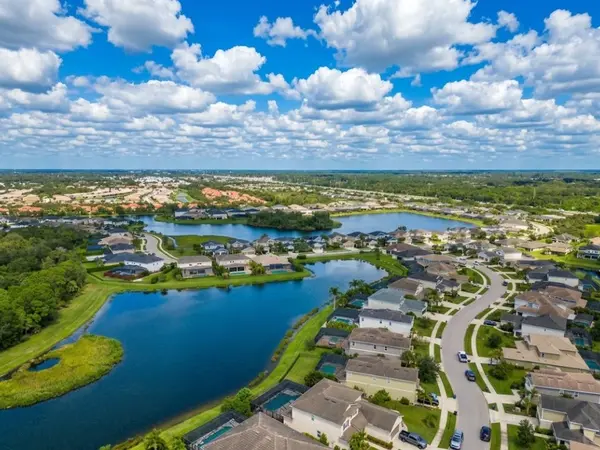
What Builder Incentives Should Florida Buyers Look For?
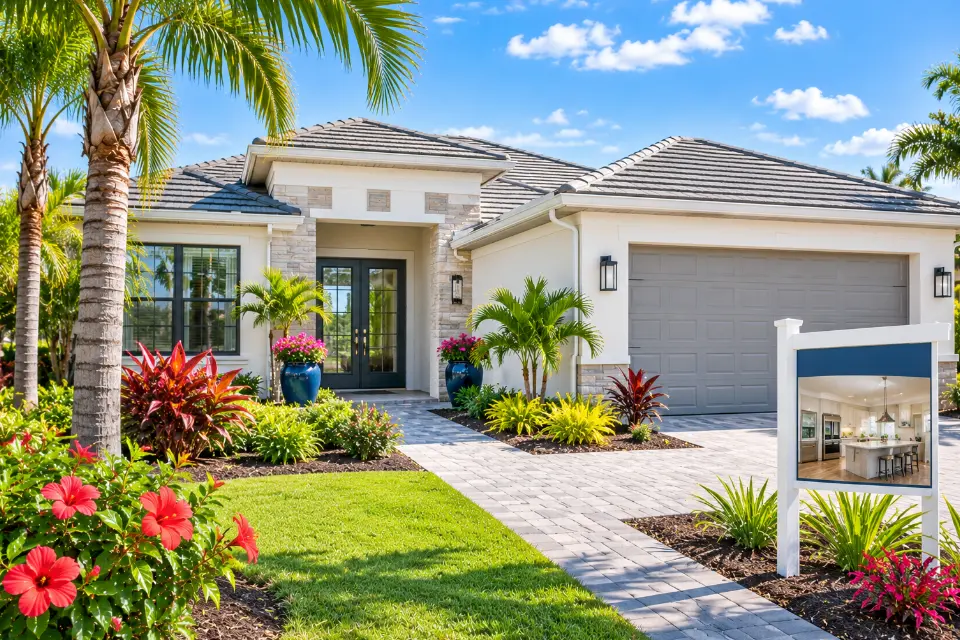
Florida buyers should look beyond the biggest advertised builder incentive and compare which benefit actually improves their complete purchase. Valuable incentives can include permanent or temporary mortgage rate buydowns, closing-cost contributions, price reductions on selected inventory homes, design or upgrade credits, lot-premium reductions and included appliances or features. In 2026, builder incentives remain an important part of the new-home market. The best incentive depends on the home's final price, financing terms, cash required at closing, monthly payment and included features. Buyers should compare written offers carefully and have financing and contract questions reviewed by the appropriate qualified professionals.
Quick Answers About Florida Builder Incentives
What are the most common builder incentives in Florida?
Common incentives include mortgage rate buydowns, closing-cost contributions, purchase-price reductions, discount points, design-center credits, included upgrades, appliance packages and reductions in lot premiums. Availability varies by builder, community, home and promotion period.
Is a mortgage rate buydown better than a price reduction?
Not automatically. A rate buydown may reduce monthly mortgage payments, while a price reduction lowers the home's purchase price. Buyers should compare both scenarios using their actual loan amount, rate, points, fees, cash to close and expected ownership period with a qualified mortgage professional.
What is a builder closing-cost incentive?
It is a builder contribution toward eligible buyer closing expenses. The amount a buyer can actually use can depend on the loan program, lender requirements, contract and eligible costs, so the headline credit should not automatically be treated as cash the buyer will receive.
Do builder incentives require using the builder's preferred lender?
Some do. A financing or closing-cost promotion may be conditioned on using an affiliated or preferred lender or another specified provider. Buyers should compare the resulting loan's rate, APR, points, lender charges, credits and cash to close against realistic alternatives.
Do quick move-in homes have better incentives?
They can, particularly when a builder wants to sell completed inventory, but stronger incentives are not guaranteed. Incentives can depend on the individual home, community, construction stage, financing arrangement and required closing date.
Can buyers negotiate builder incentives?
Sometimes. Depending on the builder and property, there may be flexibility involving price, closing costs, financing, upgrades, lot premiums or selected features. Buyers should not assume that any particular item is negotiable until the builder confirms it in writing.
What is the biggest mistake buyers make with builder incentives?
The biggest mistake is evaluating the incentive instead of the entire transaction. A large advertised credit can be less valuable if the home has a higher finished price, the financing carries different costs or the buyer cannot use the entire credit.
Why Are Florida Builders Offering Incentives in 2026?
Builders use incentives to improve affordability, encourage sales and move available inventory without relying exclusively on advertised price reductions. Incentives can be especially useful when mortgage costs are influencing what buyers can comfortably afford each month.
According to Florida Realtors' 2026 new-home market analysis, about 40% of builders had cut prices in December, with average reductions around 5%, while nearly two-thirds were offering other incentives. The report identified mortgage rate buydowns as one of the common tools being used by larger builders.
That does not mean every Florida builder or community is offering the same deal. Promotions can change by community, floor plan, homesite, construction stage, inventory level and closing timeline. Buyers should obtain the current offer for the exact home they are considering.
Which Builder Incentives Should Florida Buyers Compare First?
Start with incentives that affect the largest parts of the transaction: purchase price, financing, cash required at closing and expensive features that would otherwise have to be purchased separately. These usually deserve more attention than small promotional extras.
- Mortgage interest-rate buydowns
- Builder-paid discount points
- Closing-cost contributions
- Direct purchase-price reductions
- Design-center or upgrade credits
- Lot-premium reductions
- Included appliance or feature packages
- Property-specific incentives on completed inventory homes
Hunt Brothers Realty's builder incentives guide explains why these benefits should be converted into comparable financial scenarios rather than ranked by the largest advertised dollar amount.
How Does a Builder Mortgage Rate Buydown Work?
A builder mortgage incentive can use funds to reduce the buyer's interest rate, but buyers need to determine whether the advertised benefit is temporary or permanent. Those structures have different implications for future monthly payments.
A temporary buydown reduces the effective payment for an initial period before the payment reaches the amount associated with the underlying note rate. A permanent buydown generally uses discount points or another pricing structure to obtain a lower interest rate for the loan, subject to the actual financing terms.
Do not evaluate either structure from an advertisement alone. Ask the lender to show the note rate, APR, points, monthly principal and interest, loan costs, cash to close and how the payment changes over time. A qualified mortgage professional should explain the property-specific loan terms and qualification requirements.
Is a Permanent Rate Buydown Better Than a Temporary Buydown?
Neither is automatically better. A permanent reduction may provide a lower rate for the applicable loan term, while a temporary buydown concentrates the payment benefit in the early years. The value depends on the specific loan and buyer.
Buyers should be particularly careful not to base affordability on an introductory payment without understanding the payment that follows. The mortgage should remain workable under the actual loan terms after any temporary subsidy ends.
The appropriate comparison depends on the buyer's loan, finances and expected ownership period. Those are individualized lending considerations that should be reviewed with a qualified mortgage professional.
When Is a Builder Closing-Cost Credit Valuable?
A closing-cost contribution can be valuable when it reduces the amount of cash a buyer needs to bring to closing for eligible expenses. This can allow the buyer to preserve funds for moving, furnishings, reserves or other post-closing needs.
The advertised credit and the amount a buyer can actually use are not necessarily identical. Loan programs and transaction terms can limit contributions or determine which expenses are eligible. Buyers should ask for an estimate showing exactly how the credit is expected to be applied.
The Consumer Financial Protection Bureau's Loan Estimate guide explains how credits, loan costs and estimated cash to close appear in mortgage disclosures. Use the actual Loan Estimate when comparing financing rather than relying solely on promotional materials.
Should You Take a Builder Credit or a Lower Purchase Price?
Compare both when the builder offers a choice. A direct price reduction changes the purchase price, while a builder credit may reduce eligible closing expenses or finance a mortgage incentive. The larger headline number is not necessarily the more valuable option.
Hunt Brothers Realty's comparison of builder credits versus price cuts recommends looking at the complete transaction, including purchase price, financing, upfront expenses and longer-term costs.
For a financed buyer, ask the lender to model the available alternatives using the same loan type, down payment and assumptions. That makes it easier to see how each choice affects cash to close, monthly payment and borrowing costs.
Are Design-Center and Upgrade Credits Good Builder Incentives?
Upgrade credits can be useful when they pay for features the buyer would otherwise purchase and when the builder's pricing is reasonable for those selections. Their practical value depends on what the credit can buy and whether the buyer actually wants those upgrades.
Possible selections can include flooring, cabinetry, countertops, lighting, appliances or other finishes. Structural options may be treated differently and can become unavailable once construction reaches a certain stage.
Ask whether unused credit is forfeited, whether the incentive applies to all selections and whether upgrades increase the contract price for appraisal or financing purposes. Do not assign a dollar-for-dollar value to an upgrade credit without knowing the builder's actual pricing.
Should Buyers Ask for a Lot-Premium Reduction?
Yes, when the homesite carries a separate premium and the builder is willing to discuss it. A lot-premium reduction can be meaningful because it lowers or offsets part of the additional amount charged for a particular homesite.
Lot premiums can be associated with characteristics such as location within the development, water or preserve orientation, lot dimensions or other homesite features. Buyers should understand what creates the premium and whether the feature has sufficient value to them personally.
A premium is part of the acquisition cost, but buyers should not assume that the same premium will necessarily be recovered on resale. Questions about appraisal treatment should be discussed with the appropriate lender and appraisal professionals in the context of the specific transaction.
Can Quick Move-In Homes Have Stronger Incentives?
Completed and nearly completed inventory homes can sometimes receive attractive incentives because the builder may prefer a quicker sale and closing. That can create opportunities for price adjustments, financing promotions, closing-cost contributions or included features.
However, inventory status does not guarantee the strongest deal. Hunt Brothers Realty's quick move-in versus to-be-built Florida home guide explains that incentives can vary by community, lot, floor plan, construction stage, financing arrangement and promotion period.
Quick move-in homes also provide less opportunity for personalization because many selections may already be complete. Compare the finished home's included features with the incentive rather than treating the promotion as a separate benefit.
Does Using the Builder's Preferred Lender Always Save Money?
No. A preferred lender may offer a valuable builder-supported promotion, but the incentive alone does not prove that the resulting mortgage has the lowest overall cost. Buyers should compare actual written loan offers.
The Consumer Financial Protection Bureau recommends comparing Loan Estimates, including interest rates, monthly payments, mortgage insurance when applicable, upfront loan costs, lender credits and cash to close.
Hunt Brothers Realty's Florida new-construction buyer guide similarly recommends comparing the complete financing terms, including interest rate, APR, lender charges, discount points and closing costs. A qualified mortgage professional can help evaluate how competing offers apply to an individual buyer.
What Should You Compare on Two Builder Loan Offers?
Compare the same loan type, term and down-payment assumptions whenever possible. Otherwise, a seemingly better incentive may simply reflect a different mortgage structure.
- Interest rate
- Annual percentage rate
- Discount points
- Origination and other lender charges
- Lender or builder credits
- Mortgage insurance when applicable
- Monthly principal and interest
- How any temporary payment changes over time
- Estimated cash to close
- Rate-lock terms and applicable deadlines
The CFPB also explains that points are upfront fees paid in exchange for a lower rate, while lender credits can reduce closing expenses but may involve a higher rate than a comparable loan without those credits. Buyers should compare the actual structures with a qualified mortgage professional rather than assuming all credits function the same way.
Can a Builder Incentive Have an Expiration Date?
Yes. Builder promotions can be tied to a contract date, closing deadline, selected inventory home, financing program or other eligibility requirement. An advertised promotion should not be assumed to remain available indefinitely.
Ask the builder to identify the conditions in writing. If a financing incentive depends on closing by a particular date, also determine what happens if construction or closing is delayed and how the contract allocates that risk.
Contract rights and consequences depend on the actual agreement. Buyers who need legal guidance regarding deadlines, remedies, deposits or incentive provisions should have the builder contract reviewed by a qualified Florida real estate attorney before relying on those terms.
Should You Negotiate the Home Price Even When Incentives Are Offered?
It can be worth asking, but builders do not necessarily negotiate new construction the same way individual resale sellers do. A builder may have limited flexibility on the advertised base price while offering more flexibility through financing, closing costs, upgrades, lot premiums or selected inventory homes.
Hunt Brothers Realty's guide to negotiating a new-construction home in Florida explains why buyers should consider the complete package rather than focusing exclusively on the base price.
Ask what is currently available for the exact home. Price, financing, upgrades and lot-premium flexibility can differ even between homes in the same development.
What Costs Can Make a Large Builder Incentive Less Impressive?
A large incentive becomes less meaningful if the home's finished cost or recurring ownership expenses are substantially higher than the buyer expected. Always compare the incentive against the complete home and community budget.
As Hunt Brothers Realty explains in its Florida new construction versus resale guide, additional new-home costs can include lot premiums, structural options, design-center upgrades, appliance upgrades, pools or outdoor-living additions, window treatments, landscaping, HOA expenses, CDD assessments and closing costs not covered by an incentive.
A $20,000 incentive, for example, should not be viewed in isolation if the configuration a buyer wants requires substantial additional options. The useful number is the completed purchase and ownership cost for the home the buyer actually intends to own.
Should Florida Buyers Compare New Construction With Resale Homes?
Yes. A builder incentive is most useful when evaluated against realistic alternatives, including comparable resale homes. New construction and resale properties can have very different combinations of upfront cost, financing, features and near-term maintenance.
A new home may offer a financing promotion and newer systems, while an established home may already include a pool, window treatments, mature landscaping, upgraded lighting or other improvements that would cost additional money to add to a new home. A resale property may also require repairs or replacements that should be evaluated through appropriate inspections.
Compare reasonably similar properties using completed purchase price, financing, expected near-term expenses and recurring ownership costs. The presence of an incentive should not determine the answer by itself.
Should You Get an Independent Inspection on a New Home With Builder Incentives?
A financial incentive should not replace property due diligence. New construction can still have workmanship, installation or completion issues that buyers may want evaluated by an appropriately licensed independent inspector or other qualified professional.
Inspection access and timing can depend on the builder contract and construction process. Buyers should understand their inspection rights before signing rather than assuming they will have the same contractual procedures found in a typical resale transaction.
Inspection findings should be evaluated with the appropriate licensed inspector, contractor, engineer or other qualified professional before the buyer makes decisions requiring technical expertise.
What Should You Know Before Signing a Florida Builder Contract?
Understand the contract before relying on the incentive. Builder contracts can contain terms governing deposits, financing, construction changes, completion timing, inspections, closing, warranties, defaults and other issues that can materially affect the purchase.
Hunt Brothers Realty's Florida builder contract guide explains why the financing incentive should be evaluated together with the contract requirements. An attractive mortgage promotion can become less useful if the buyer does not understand its eligibility conditions or closing deadline.
Questions about contract rights, deposits, remedies, warranties, title or other legal matters should be reviewed with a qualified Florida real estate attorney or other appropriate legal professional. A real estate brokerage does not replace individualized legal advice.
What Should Buyers Ask Before Accepting a Builder Incentive?
Ask questions that turn the advertised promotion into a complete transaction you can compare. The goal is to understand what you receive, what you must do to qualify and what the home will actually cost.
- Does the incentive apply to this exact home or homesite?
- Does it require a preferred or affiliated lender?
- Is the advertised mortgage rate temporary or permanent?
- How many discount points are involved?
- What are the APR and lender charges?
- How much of a closing-cost credit can I actually use?
- Can the incentive be exchanged for a different concession?
- Does the offer require a specific contract or closing date?
- What happens to the incentive if closing is delayed?
- What is included in the home's advertised price?
- What lot premiums, structural options and design upgrades are additional?
- What HOA, CDD or other recurring assessments apply?
What Should Florida Buyers Evaluate Beyond the Incentive?
Evaluate the property and community as though the promotion were not the headline. An incentive can improve a transaction, but it cannot make the wrong location, unsuitable floor plan or unaffordable ownership structure a good fit.
- Finished purchase price
- Property-specific homeowners insurance
- Estimated property taxes after purchase
- Flood information and flood insurance considerations where relevant
- HOA assessments
- CDD or other applicable district assessments
- Optional or required club expenses where applicable
- Maintenance responsibilities
- Included versus optional features
- Warranty terms
- Expected completion and closing timing
Insurance availability, premiums, taxes, association obligations and district assessments can vary substantially by property. Buyers should obtain property-specific information from qualified insurance, tax, association, lending, title and other appropriate professionals before relying on estimated ownership costs.
Is the Largest Builder Incentive Usually the Best Deal?
No. The best builder incentive is the one that produces the strongest overall transaction for the specific buyer, not necessarily the largest advertised credit. A rate buydown can be valuable for one financed buyer, while another may benefit more from a price reduction, closing-cost assistance or upgrades that would otherwise be purchased separately.
Compare the home with and without the promotion. Then compare the builder's preferred financing with realistic alternatives using written Loan Estimates. Finally, include the costs that remain after closing, including taxes, insurance, association expenses and property maintenance.
That process turns an incentive from a marketing headline into something buyers can evaluate in the context of the actual home purchase.
Compare Florida New Construction With Hunt Brothers Realty
Hunt Brothers Realty helps Florida Gulf Coast buyers compare new-construction homes, builder promotions and resale alternatives as part of the broader real estate decision. Review HBR's Florida new-construction buyer guide, compare new construction versus resale homes, learn how buyer representation can help with new construction, or contact Hunt Brothers Realty before visiting Florida new-home communities.
Informational notice: This article provides general real estate and educational information and is not individualized legal, financial, tax, insurance, lending, inspection, engineering, construction, title, association or other professional advice. Builder promotions, mortgage programs, prices, credits, eligibility requirements and contract terms can change and vary by buyer, builder, lender, community and property. Buyers should obtain current written terms for the specific home, compare financing with a qualified mortgage professional, review insurance with a qualified insurance professional, use appropriate inspectors or technical professionals for property-specific concerns, and consult a qualified Florida real estate attorney regarding contract or legal questions when individualized guidance is needed.
Sources
- Florida Realtors, New Homes May Offer Unexpected Value in 2026
- Consumer Financial Protection Bureau, Compare and Negotiate Your Loan Offers
- Consumer Financial Protection Bureau, Lender Credits and Discount Points
- Hunt Brothers Realty, Builder Incentives Explained
- Hunt Brothers Realty, Builder Credits vs. Price Cuts
- Hunt Brothers Realty, Buying New Construction in Florida
Hunt Brothers Realty
46 N. Washington Blvd, Ste 3, Sarasota, FL 34236
Phone: (941) 388-7017
Email: info@huntbrothersrealty.com
Website: HuntBrothersRealty.com
Categories
- All Blogs 2674
- Anna Maria Island 92
- Bird Key 6
- Bradenton 242
- Buying a Home 1692
- Casey Key 3
- Clearwater 16
- Condos & HOA Living 1623
- Ellenton 9
- Englewood 15
- First Time Homebuyers 1813
- Foreclosures 4
- Home Selling 10
- Homeownership 1860
- Lakewood Ranch 36
- Lido Key 29
- Longboat Key 81
- Luxury/Waterfront Properties 1801
- Market Updates & Trends 1302
- Mortgages & Financing 85
- Move-Up Buyers 24
- Neighborhood Guides 1429
- New Construction 47
- Palmetto 4
- Parrish 38
- Port Charlotte 36
- Punta Gorda 165
- Real Estate Investing 1714
- Relocation to Florida 1742
- Safety Harbor 4
- Sarasota 160
- Sarasota - Downtown 175
- Selling a Home 149
- Siesta Key 94
- St. Petersburg 11
- Taxes and Homestead 3
- Tierra Verde 7
- Vacation & Second Homes 1908
- Venice 225
- Wellen Park 24
Recent Posts