Moving to Florida? Ask These 3 Questions

If you are moving to Florida, ask three questions before choosing a home: Where does your everyday life fit best? What will this specific property actually cost to own? What property-specific risks, restrictions and responsibilities need to be investigated before you buy? These questions are especially useful for buyers considering Sarasota and Florida's Gulf Coast, where homes with similar prices can differ substantially in location, insurance considerations, flood exposure, association costs, maintenance responsibilities and other ownership factors.
Quick Answers About Moving to Florida
What is the first question to ask before moving to Florida?
Ask where your actual day-to-day life fits best. Compare the locations of work, beaches, boating, shopping, recreation, healthcare and other destinations that matter to you instead of choosing an area from vacation impressions alone.
Should I compare Florida homes by purchase price?
Purchase price is important, but it is not enough. Property taxes, homeowners insurance, flood insurance when applicable, association or district assessments, maintenance and property condition can make similarly priced homes very different ownership propositions.
Should I get an insurance quote before buying a Florida home?
Buyers should investigate insurance early and obtain property-specific information from a qualified insurance professional. Coverage availability, premiums, deductibles and underwriting considerations can vary substantially from one Florida property to another.
Does being outside a high-risk flood zone mean there is no flood risk?
No. A FEMA flood-zone designation is important information, but it does not establish that flooding cannot occur elsewhere. Buyers should evaluate the individual property's flood information, elevation and drainage when relevant and discuss insurance questions with qualified professionals.
Will I pay the same property taxes as the current Florida homeowner?
Not necessarily. A seller's tax bill may reflect that owner's assessed value and exemptions, so relocating buyers should not automatically use the current bill as a prediction of their future property taxes.
Should I consider HOA, condominium and CDD costs before choosing a community?
Yes. Association fees, condominium assessments, Community Development District assessments and maintenance responsibilities can affect both ownership costs and how a property is used. Verify current amounts and obligations for the specific property.
Where should I start if I am considering Sarasota and the Gulf Coast?
Start by defining your housing budget, preferred property type and daily priorities, then compare several communities before narrowing the search. Hunt Brothers Realty's Florida Gulf Coast community guides provide a starting point for exploring Sarasota, Siesta Key, Longboat Key, Bradenton, Lakewood Ranch, Venice, Nokomis and other areas.
Question 1: Where Does Your Everyday Life Fit Best?
Choose a Florida location by thinking about ordinary Tuesdays, not just vacation Saturdays. Beaches, waterfront restaurants and warm weather may be part of the attraction, but your regular driving patterns, preferred property type, recreational interests and access to the places you use frequently can have a greater effect on everyday life.
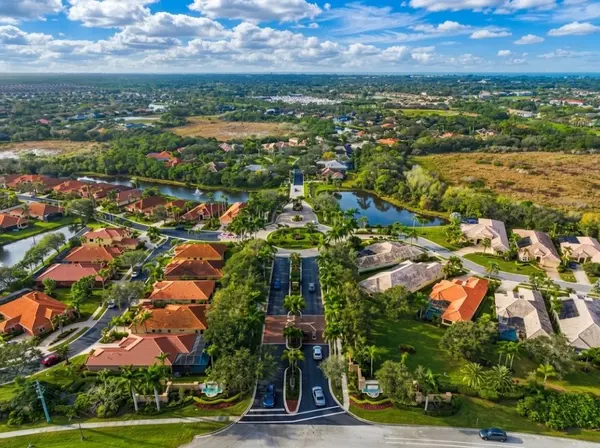
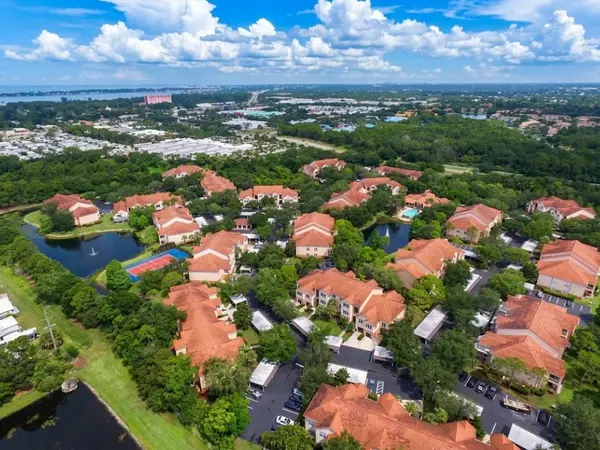
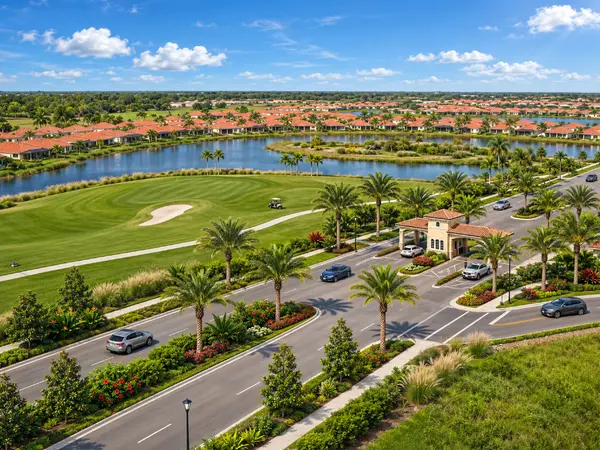
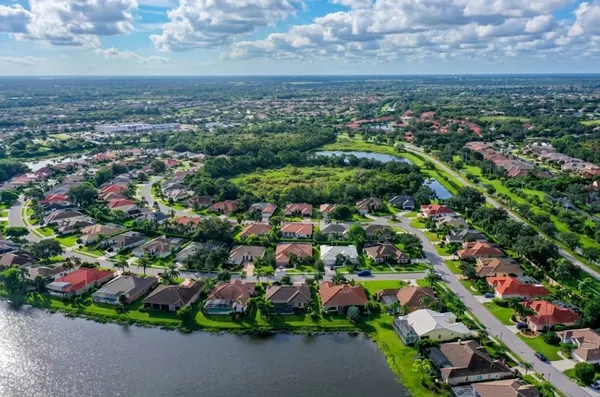
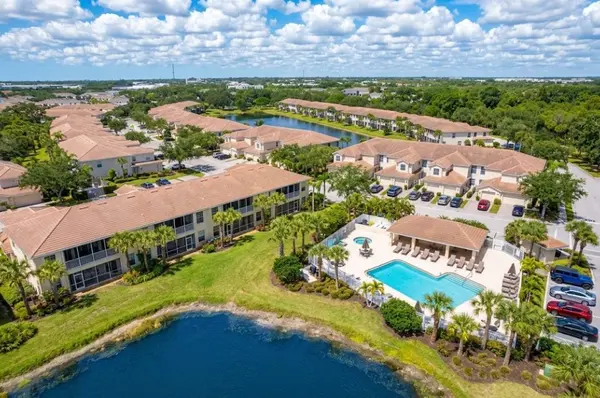
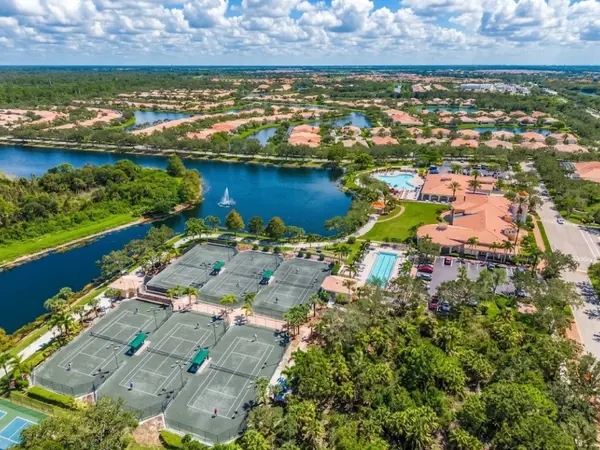
This is particularly important around Sarasota because the broader region offers very different residential settings. Buyers can compare downtown living, barrier islands, established mainland neighborhoods, master-planned communities, golf communities, waterfront properties and newer development farther east or south.
Hunt Brothers Realty's community directory includes Sarasota, Siesta Key, Longboat Key, Lido Key, Anna Maria Island, Bradenton, Lakewood Ranch, Osprey, Nokomis, Venice, Wellen Park, Parrish, North Port and other Gulf Coast locations.
What Should You Compare Between Florida Communities?
Compare communities using the features that will actually influence your housing decision. A location that is ideal for one buyer can be inconvenient or unnecessarily expensive for another because their priorities are different.
- Property types available within your budget
- Distance to work or other regular destinations
- Access to beaches, boating, golf, parks or trails when those matter to you
- Established neighborhoods versus newer construction
- Condominium, villa, townhome or single-family ownership
- HOA or condominium structure
- Community amenities and the costs associated with them
- Flood and coastal considerations
- Maintenance responsibilities
- Actual travel times to the places you expect to visit regularly
If commuting matters, test the drive at the times you would actually travel. A location that appears close on a map may function differently during your normal schedule.
Should You Rent in Florida Before You Buy?
Renting first can be useful for some relocating buyers, but it is not automatically necessary. The decision depends on how well you know the area, your housing timeline, available inventory, moving logistics and financial circumstances.
If you already know the Gulf Coast well and have clearly defined housing criteria, buying directly may fit your plans. If you are uncertain whether you prefer downtown Sarasota, a barrier island, Lakewood Ranch, Venice or another area, temporary housing may give you additional time to compare locations before making a longer-term commitment.
Question 2: What Will This Florida Home Actually Cost to Own?
Calculate the ownership cost of the individual property, not simply the purchase price or estimated mortgage payment. This is one of the most important comparisons for buyers relocating from another state because several Florida housing expenses can vary significantly between properties.
Hunt Brothers Realty's guide to expenses that can surprise people after moving to Florida identifies homeowners insurance, flood insurance, property taxes, hurricane deductibles, association assessments, CDD assessments, pool and landscaping service, storm preparation and ongoing exterior maintenance among the costs relocating homeowners may need to investigate.
Two houses with the same asking price can therefore produce different ownership budgets. One might have higher association expenses but include exterior maintenance. Another might have no HOA but require the owner to maintain a pool, lawn and exterior independently.
Which Florida Homeownership Costs Should You Estimate?
Build a property-specific budget before deciding whether a home fits comfortably. Depending on the property and financing, relevant expenses can include:
- Down payment and financing costs
- Mortgage principal and interest when financed
- Property taxes
- Homeowners or condominium insurance
- Flood insurance when applicable
- Applicable insurance deductibles
- HOA or condominium assessments
- Special assessments when applicable
- CDD or other district assessments when applicable
- Utilities
- Pool and landscaping expenses
- Routine maintenance
- Expected major repairs or replacements
- Closing, moving and temporary housing expenses
Financed buyers should review loan qualification, payment scenarios and closing costs with a qualified mortgage professional. The amount a lender may approve is also not necessarily the same as the amount a household will consider comfortable within its broader financial plans.
Why Shouldn't You Use the Seller's Property Tax Bill as Your Estimate?
The current owner's tax bill may not represent what a new owner will pay. The seller's assessed value and exemptions can differ from the circumstances that apply after the property changes ownership.
Relocating buyers should obtain a buyer-specific estimate using information from the applicable county property appraiser rather than building a budget from the seller's existing bill. Eligibility for exemptions also depends on the buyer's individual circumstances.
Property-tax consequences can be property-specific and taxpayer-specific. Buyers who need individualized tax guidance should consult the appropriate county office and a qualified tax professional or CPA.
Why Does Insurance Belong in the Budget Before You Buy?
Insurance can materially affect both affordability and financing, so it deserves investigation early in the Florida buying process. Premiums, coverage availability, deductibles and underwriting can vary according to the individual property.
Hunt Brothers Realty's guide to insurance questions to ask before making an offer in Florida recommends investigating the specific home's insurability, expected premium, deductibles, flood considerations and whether information such as roof age, a four-point inspection or wind-mitigation documentation may be relevant to underwriting.
Do not assume that the seller's insurance premium predicts yours. Obtain property-specific quotes and review coverage, exclusions and deductibles with a qualified insurance professional before making a purchasing decision that depends on those numbers.
Question 3: What Does This Specific Property Require You to Investigate?
Every Florida property has its own due-diligence questions. Instead of assuming that a house, condominium or community is suitable because the location and price look right, identify the property-specific issues that could affect insurance, maintenance, financing, use or future ownership responsibilities.
For one property, the important issue may be roof condition. For another, it may be flood exposure. A condominium buyer may need to focus on association documents, reserves, assessments and insurance. A waterfront buyer may need additional information about a seawall, dock, elevation, permits and boating characteristics.
The question is not whether Florida homes are inherently problematic. It is whether you understand the specific property well enough to make an informed decision.
What Should Florida Buyers Investigate About Flood Exposure?
Start with the property's current flood-zone information, then consider other property-specific factors when relevant. A flood-zone designation is useful, but buyers should not treat it as the complete flood-risk analysis.
Hunt Brothers Realty's guide to buying a Florida home in a flood zone recommends considering the mapped zone together with factors such as the structure's elevation, previous flooding, drainage, construction and property-specific insurance information.
For coastal properties, Hunt Brothers Realty's coastal homebuyer due-diligence guide also identifies elevation, storm history, seawalls, docks and long-term coastal maintenance as potential areas for investigation.
Flood, elevation, surveying, engineering and insurance conclusions should be verified with FEMA information, the applicable local authorities and the appropriate qualified surveyor, engineer, insurance professional or other specialist when individualized expertise is needed.
What Should You Investigate About a Florida Home's Condition?
Buyers should investigate the condition of the individual property through appropriate inspections and documentation rather than relying only on visible finishes. A renovated kitchen or fresh paint does not establish the condition of the roof, electrical system, plumbing, HVAC equipment or other components.
Depending on the home, available permits, maintenance records, previous inspection reports, wind-mitigation documentation and other records may provide useful information. The age of a component should also not be treated as a technical conclusion about its remaining life or condition.
Inspection findings should be evaluated by the appropriate licensed inspector, contractor, structural engineer or qualified tradesperson before the buyer makes a decision that depends on the technical condition of the property.
What Should You Review Before Buying in an HOA or Condominium?
Association-governed properties require buyers to understand both the residence and the community's obligations. Current fees are only one part of that review.
Depending on the property and association, buyers may need to review governing documents, current assessments, known or proposed special assessments, maintenance responsibilities, restrictions, insurance information, financial information and rules affecting uses that matter to the buyer.
Condominium due diligence can involve additional building, reserve, structural and insurance considerations. Buyers should obtain current information from the appropriate association or management source and consult qualified legal, insurance, inspection, engineering, lending or other professionals when a decision requires specialized interpretation.
How Should You Compare a New Florida Home With an Older Home?
Compare the complete properties rather than assuming newer is always better or older is always less expensive. New construction may offer newer systems and different building features, while established homes may offer locations, lots, improvements or neighborhood characteristics that are difficult to reproduce.
A newer home can also include HOA or CDD assessments, optional upgrades and other costs that should be included in the comparison. An older property may require additional inspection or maintenance investigation, particularly for major systems.
Compare final purchase price, financing, taxes, insurance, association expenses, property condition, expected maintenance, location and the features that matter to your household rather than using the construction year as a shortcut for the entire decision.
What Should Out-of-State Buyers Do Before Serious Home Tours?
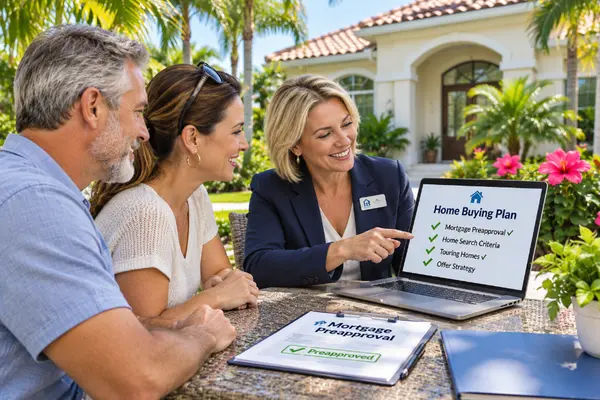
Prepare the financial and location framework before filling a weekend with showings. Hunt Brothers Realty's Florida home-buying process guide recommends defining your budget and priorities, speaking with a qualified mortgage lender when financing, choosing a real estate professional and comparing communities before narrowing the search.
Before serious touring, a relocating buyer should ideally have a working answer to questions such as:
- What is my comfortable total housing budget?
- Will I pay cash or finance the purchase?
- If financing, have I discussed my plans with a qualified lender?
- Which property types fit how I expect to use the home?
- Which Gulf Coast locations fit my normal routine?
- Which features are requirements and which are preferences?
- Am I comfortable with HOA, condominium or CDD obligations?
- How much maintenance am I willing to manage?
- Have I included insurance, taxes and association expenses in the budget?
That preparation makes it easier to compare homes on the same criteria rather than changing priorities every time an attractive property appears.
Can You Buy a Florida Home From Out of State?
Yes. Buyers can purchase Florida real estate while living elsewhere, although distance makes preparation and local coordination particularly important. Property research, showings, inspections, insurance, financing, title work and closing logistics all need to be managed carefully.
Hunt Brothers Realty's guide to buying a Florida house from out of state emphasizes budgeting for the complete ownership picture, including insurance, taxes, association expenses, maintenance and property-specific repairs in addition to the purchase itself.
Remote buyers should also independently verify sensitive financial communications, particularly closing wire instructions, using trusted contact information before sending funds.
What Is the Biggest Mistake Relocating Buyers Can Avoid?
Avoid choosing a Florida home based on one attractive characteristic while leaving the rest of the ownership picture for later. A short drive to the beach, attractive pool, new kitchen or lower asking price can be meaningful, but none answers every question about the property.
A stronger comparison asks whether the location fits your routine, whether the complete ownership budget works, and whether you understand the property's insurance, flood, condition and community considerations.
Those three questions do not select the home for you. They help expose the differences that matter before you make the decision.
Moving to Florida Starts With the Right Questions
Florida offers many different ways to live, which is precisely why relocation decisions benefit from a structured comparison. Sarasota's downtown and barrier islands offer a different ownership experience from inland neighborhoods, newer master-planned communities or homes farther south along the Gulf Coast.
Start with three questions. Where does your everyday life fit best? What will the individual property actually cost to own? What needs to be investigated before you commit?
Once you can answer those questions with property-specific information, comparing Florida homes becomes considerably more useful than simply comparing photographs and list prices.
Plan Your Florida Move With Hunt Brothers Realty
Hunt Brothers Realty helps relocating buyers compare Florida Gulf Coast communities, properties and real estate market information according to their individual housing priorities. You can explore Florida Gulf Coast communities, read HBR's Florida home-buying process guide, review the expenses that can surprise buyers after moving to Florida, or contact Hunt Brothers Realty to discuss your relocation and home search.
Informational notice: This article provides general real estate information for educational purposes and is not individualized legal, financial, tax, insurance, lending, inspection, engineering, construction, title, association, survey, permitting or other professional advice. Florida ownership costs, insurance availability, flood considerations, taxes, financing, association obligations and property condition vary by property and buyer circumstances. Buyers should work with a licensed real estate professional for property-specific real estate guidance and verify decisions requiring specialized expertise with the appropriate qualified lender, insurance professional, attorney, tax professional or CPA, home inspector, contractor, engineer, title or closing professional, surveyor, association, local government or other qualified professional.
Sources
- Hunt Brothers Realty, Explore Florida Communities
- Hunt Brothers Realty, How to Start the Home Buying Process in Florida
- Hunt Brothers Realty, How to Buy a House in Florida From Out of State
- Hunt Brothers Realty, What Expenses Surprise People After Moving to Florida?
- Hunt Brothers Realty, What to Ask About Home Insurance Before Making an Offer in Florida
- Hunt Brothers Realty, Can You Buy a Florida Home in a Flood Zone?
- Hunt Brothers Realty, Questions to Ask Before Buying a Home Near the Coast
Hunt Brothers Realty
46 N. Washington Blvd, Ste 3, Sarasota, FL 34236
Phone: (941) 388-7017
Email: info@huntbrothersrealty.com
Website: HuntBrothersRealty.com
Categories
- All Blogs 2654
- Anna Maria Island 92
- Bird Key 5
- Bradenton 242
- Buying a Home 1675
- Casey Key 3
- Clearwater 16
- Condos & HOA Living 1603
- Ellenton 8
- Englewood 15
- First Time Homebuyers 1795
- Foreclosures 4
- Home Selling 10
- Homeownership 1840
- Lakewood Ranch 36
- Lido Key 29
- Longboat Key 81
- Luxury/Waterfront Properties 1781
- Market Updates & Trends 1283
- Mortgages & Financing 85
- Move-Up Buyers 24
- Neighborhood Guides 1410
- New Construction 46
- Palmetto 4
- Parrish 38
- Port Charlotte 36
- Punta Gorda 165
- Real Estate Investing 1694
- Relocation to Florida 1722
- Safety Harbor 4
- Sarasota 157
- Sarasota - Downtown 175
- Selling a Home 149
- Siesta Key 94
- St. Petersburg 11
- Taxes and Homestead 3
- Tierra Verde 7
- Vacation & Second Homes 1888
- Venice 225
- Wellen Park 24
Recent Posts